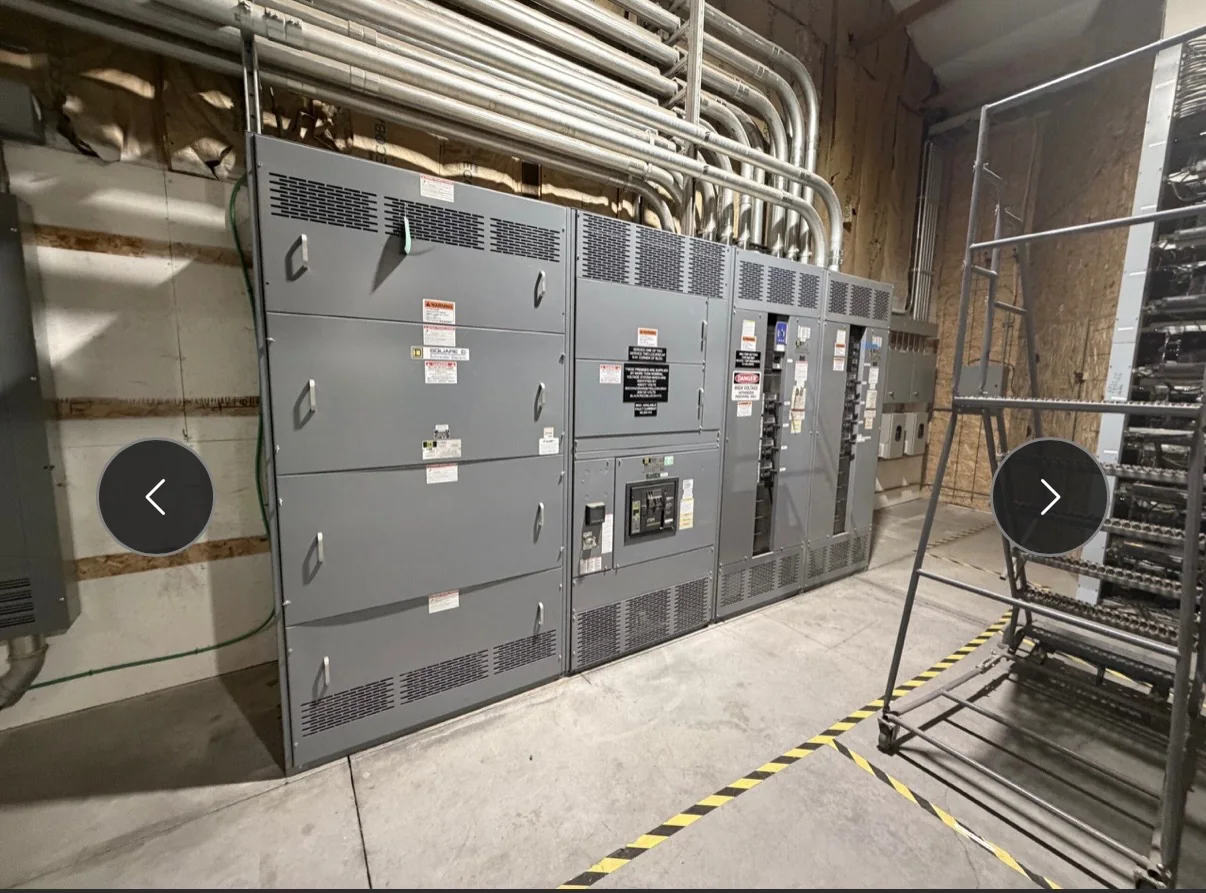
Distinguish System Voltage from Equipment Class
A 27 kV designation describes a distribution-system voltage context, but it does not, by itself, specify the complete equipment rating. The project team must determine the system’s nominal and maximum operating voltage, grounding arrangement, and expected conditions, then select equipment intended for that application. Equipment classes and standard voltage ratings do not always match a project’s nominal voltage number exactly; the appropriate class depends on the system and applicable design requirements. Confirm the intended class with the engineer of record and the manufacturer before comparing proposals. This distinction matters because insulation coordination, clearances, interruption duties, and device ratings are tied to the selected equipment design, not merely the number used to describe the distribution system. A clear specification should state the system voltage and identify the required equipment class or ask the design team to establish it. Avoid treating “27 kV” as a complete description of the assembly.
Set Insulation Requirements for the Application
Insulation requirements should follow the system’s operating conditions and the applicable standards for the specific medium-voltage equipment. Identify required power-frequency withstand and impulse withstand levels where they are specified, and account for the installation environment, grounding, switching conditions, and expected overvoltage exposure. Altitude, contamination, moisture, and enclosure conditions can affect insulation coordination or the suitability of a design; identify unusual site conditions early so they can be reviewed. The goal is not to select the highest conceivable insulation level in isolation, but to coordinate equipment withstand capability with system exposure, protective devices, and project criteria. Ask the design team to document the basis for the selected insulation levels and any project-specific requirements. Applicable standards and compliance expectations must be identified for the particular equipment; a reference to a standard does not, by itself, establish third-party listing or approval. Qualified professionals determine applicable codes and safety requirements.
| System | Voltage, phase, current and available fault current |
|---|---|
| Configuration | Lineup, protection, controls and enclosure as specified |
| Compliance | Applicable standards and listing confirmed for the assembly |
| Delivery | California and nationwide; schedule confirmed by quote |
Confirm the Rated Voltage of Every Assembly and Device
Review the proposed assembly as a system of components, not as one rating printed on a cover sheet. Confirm the rated voltage of the complete assembly and separately verify the ratings of breakers or other switching devices, bus, instrument transformers, surge arresters, sensors, control-power components, and any other items subject to voltage limits. A component may have a rating or insulation capability that differs from the assembly’s stated class, so the schedule and submittals should make those values visible. Also distinguish rated voltage from continuous current, short-circuit or interrupting ratings, and insulation withstand values; each answers a different design question. Require the proposal to identify the applicable ratings and the basis for selecting them, especially where an existing system, utility requirement, or protection study sets constraints. Do not assume that a device is suitable solely because its nominal voltage appears close to 27 kV. Resolve discrepancies before approval and procurement.
Coordinate Ratings with Protection and System Conditions
Voltage and insulation ratings must be considered alongside fault duty and the protection scheme. Obtain available fault-current information, protective-device settings or coordination criteria, grounding details, and any utility constraints needed to evaluate the application. Confirm that interrupting, momentary, and short-time withstand duties are addressed as applicable, and that the selected devices coordinate with upstream and downstream protection. Switching frequency, load characteristics, motor or transformer applications, and transient conditions may influence device selection and operating requirements. These decisions are related, but one rating cannot stand in for another: adequate insulation does not establish adequate fault interruption, and a satisfactory interrupting rating does not prove the insulation level is appropriate. Qualified engineers should establish protection and safety requirements for the installation and review proposed equipment data against them. Where system information is incomplete, identify the open items explicitly rather than relying on an assumed fault level or generic 27 kV description.
Prepare a Complete Specification and Submittal Review
For a useful quotation and design review, provide the one-line diagram, nominal and maximum system voltage, requested equipment class, grounding method, fault-duty information, insulation-level requirements, and applicable project standards. Include the installation environment, altitude, indoor or outdoor conditions, interface dimensions, cable or bus connections, control-power needs, metering and protection requirements, and any utility or owner criteria. State which ratings must be confirmed for the assembly and each device, and request the proposed values in the submittal. Switchgear Builder California builds new equipment in the United States with American components and supplies switchgear to customers in California and nationwide; project requirements and equipment details are reviewed for each application. Share the project schedule and any schedule-sensitive needs for review, without assuming a particular delivery commitment. Before release, compare submittal ratings to the approved drawings and protection criteria, resolve exceptions in writing, and have qualified professionals verify applicable standards and code requirements.