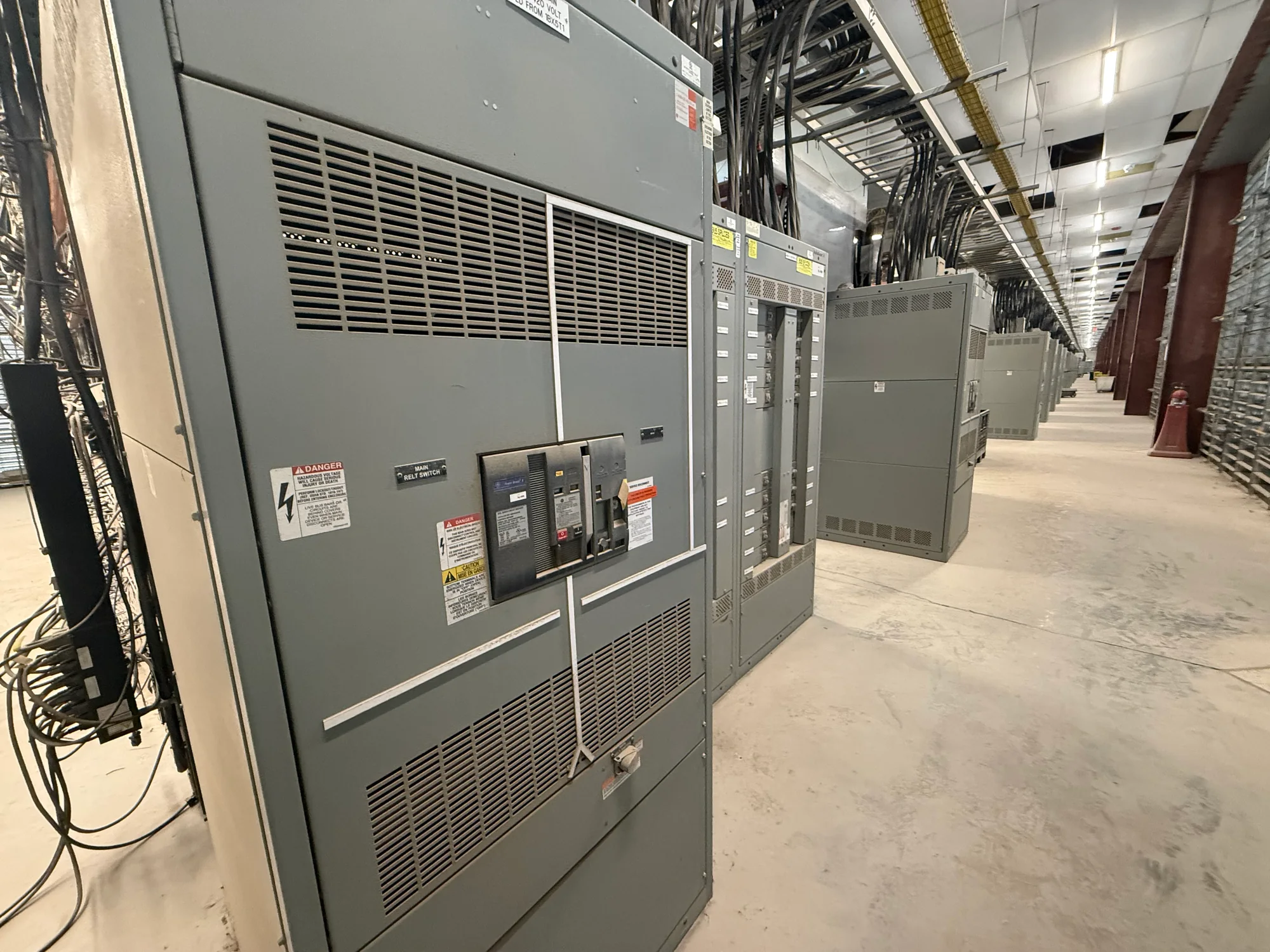
Prepare for a controlled receiving inspection
Before the shipment arrives, identify who is authorized to receive it, where the inspection will take place, and how the equipment can be held safely until reviewed. Arrange suitable access, lighting, and space to inspect crates or enclosures without obstructing traffic or exposing equipment to avoidable hazards. Have the purchase and shipping documents available, including the packing list, bill of lading, delivery receipt, and any handling instructions supplied with the shipment. Confirm the expected number of packages and note how they are identified; equipment may arrive in multiple sections or separate packages, so a count should follow the shipping documents rather than assumptions about a complete lineup. Coordinate with the carrier and site team on who can note exceptions on delivery paperwork. This initial organization makes it easier to distinguish a shipping discrepancy from a later handling issue and gives the project team a consistent starting point.
Examine packaging before it is opened
Inspect each crate, pallet, wrap, and enclosure exterior before unloading or uncrating when site conditions allow. Look for punctures, crushed corners, broken or displaced braces, torn weather barriers, water staining, unusual compression, and signs that a package shifted or was struck. Check for tipped, impact, or other handling indicators if present, and photograph them in place before moving or resetting anything. Record package identification marks and relate each observation to the relevant shipping document. Do not treat intact wrapping as proof that the equipment is undamaged, or superficial scuffing as proof that internal components are affected. The purpose is to capture observable facts, not to diagnose hidden damage from the outside. If packaging suggests a serious impact, wetting, or instability, pause and consult the responsible site and shipping contacts about safe handling and next steps. Avoid cutting straps, removing protective covers, or repositioning a load in a way that could erase evidence or create a hazard.
| System | Voltage, phase, current and available fault current |
|---|---|
| Configuration | Lineup, protection, controls and enclosure as specified |
| Compliance | Applicable standards and listing confirmed for the assembly |
| Delivery | California and nationwide; schedule confirmed by quote |
Document damage and delivery exceptions clearly
When damage or a shortage is visible, make a precise, contemporaneous record. Note the date and time, carrier, shipment or tracking reference, package markings, location of the issue, and a neutral description such as “right crate corner crushed” rather than an unsupported conclusion about internal damage. Take clear photographs from wide and close perspectives, including identifying labels and a scale or familiar reference where useful. Preserve the original image files and keep a simple log linking each image to the package and observation. Ask the carrier representative to acknowledge the exception on the delivery receipt or applicable electronic record before departure, following the carrier’s process. If a signature is required, read the receipt carefully and do not sign language that inaccurately states the shipment arrived in good condition; add factual exceptions when the process permits. Notify the project’s designated contacts promptly and retain copies of messages. Timely, consistent records help the responsible parties assess the issue and determine appropriate handling.
Check the visible equipment without compromising safety
After documenting exterior conditions, follow the equipment supplier’s instructions and the site’s receiving and safety procedures for any further inspection. Confirm package counts, equipment identifiers, and visible labels against the packing list and project records. Once authorized to open packaging, look only at accessible, visible condition: check for obvious dents, bent panels, cracked insulators, loose or displaced parts, corrosion, contamination, moisture, or missing items that can be identified without disturbing the assembly. Do not operate, energize, remove internal barriers, tighten connections, or conduct electrical tests as part of a routine receiving check unless qualified personnel have determined the work is appropriate and safe. Switchgear can contain hazardous energy or be damaged in ways that are not apparent externally. If a concern is found, stop further handling that could worsen it, protect the equipment from exposure, and ask qualified project personnel and the manufacturer for direction. Receiving inspection records condition; it does not replace installation review, testing, or commissioning.
Preserve records and coordinate next steps
Keep the complete receiving file together: delivery receipts, bills of lading, packing lists, photographs, inspection notes, correspondence, and any carrier incident or claim reference. Store copies in the project’s document system and retain the originals according to contract and claim requirements. Do not discard damaged packaging, shipping indicators, or displaced components until the responsible parties advise whether they need examination; protect retained material from further damage and label it clearly. Send a concise notice that identifies the shipment, describes the observed condition, lists supporting records, and asks for guidance on disposition. The appropriate response may depend on the type and extent of the issue, transport terms, project schedule, and equipment handling requirements. Do not install or modify suspect equipment while responsibility and safe disposition are being evaluated. If no visible issue is found, record that the inspection was limited to accessible conditions at receipt and proceed with storage and installation planning under the applicable instructions. A documented handoff gives the project team a reliable basis for decisions.