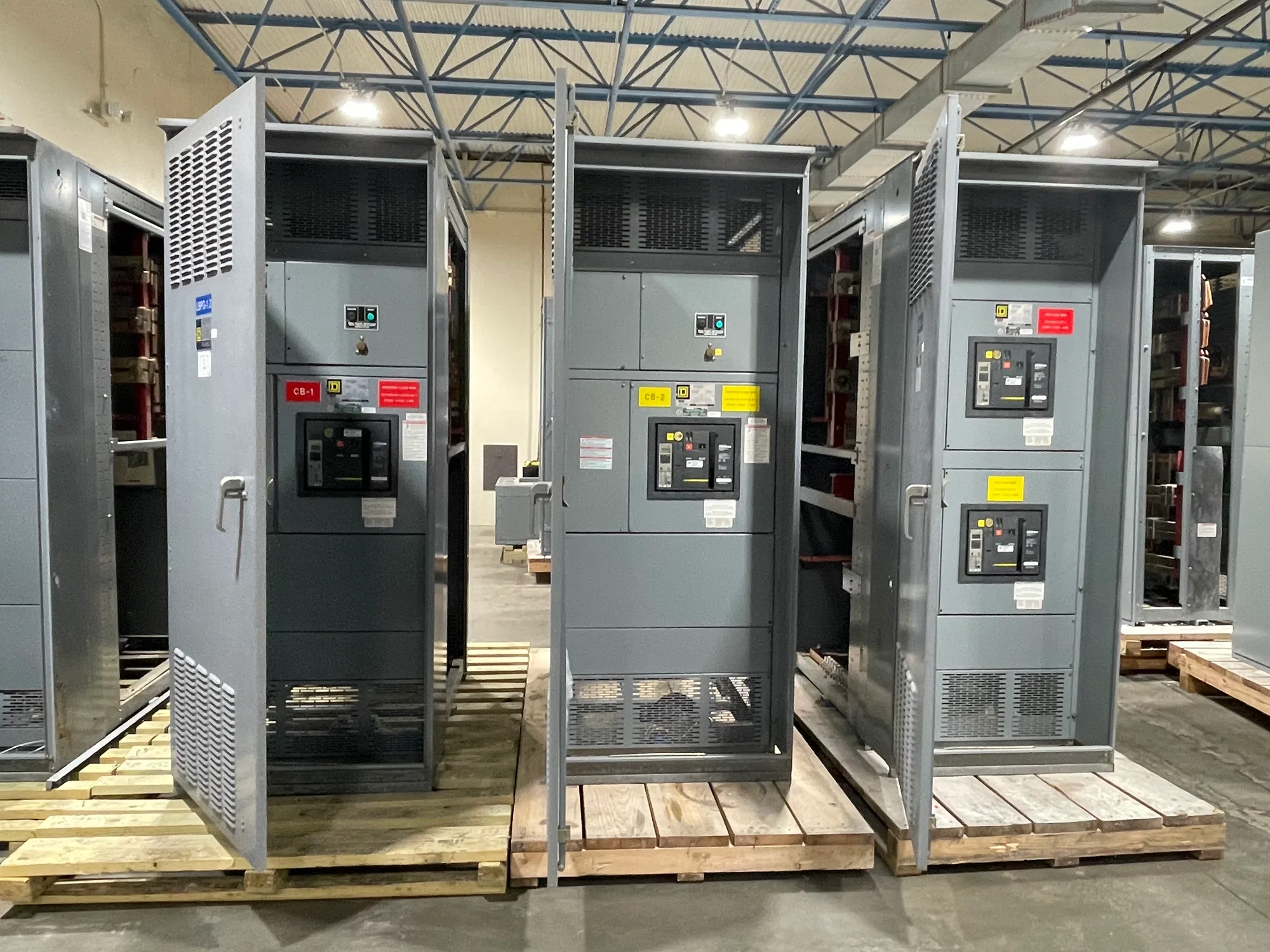
Start with the system and project context
Switchgear decisions make more sense when they begin with the electrical system and the work the equipment must support. Before comparing configurations, identify the facility or application, the available power source, the intended distribution arrangement and any known operating constraints. Note whether the project is new construction, a capacity addition or a replacement, and describe what existing equipment must connect to the new assembly. Those details help distinguish essential requirements from preferences and reveal interface questions early. Record the project location, anticipated installation conditions and the parties responsible for design, installation and operation. A one-line diagram, equipment schedule or preliminary specification can provide useful context, even if some details are still under development. Resources on this page can help you frame those discussions, but they do not replace project-specific engineering. Qualified professionals must determine protection, ratings and applicable codes for the actual installation.
Prepare a clear request for new equipment
A useful request for quotation gives the manufacturer enough information to evaluate the application without leaving critical assumptions unstated. Include the required system voltage, frequency, phase, bus arrangement, incoming and outgoing connections, and the number and general purpose of feeder circuits. Share available fault-current information and identify the short-circuit, continuous-current and other performance requirements established by the project engineer. Explain the intended enclosure location and environmental conditions, including any relevant space, access, ventilation or cable-entry constraints. If drawings, specifications or schedules are available, send the current revisions and identify open items rather than treating preliminary values as final. State the desired commercial scope, such as equipment supply and any separately requested project support, so responsibilities can be compared fairly. A complete request does not require every detail to be settled at the outset. It should make confirmed requirements, assumptions and decisions still pending easy to distinguish.
| System | Voltage, phase, current and available fault current |
|---|---|
| Configuration | Lineup, protection, controls and enclosure as specified |
| Compliance | Applicable standards and listing confirmed for the assembly |
| Delivery | California and nationwide; schedule confirmed by quote |
Ask buyer questions that clarify scope and risk
Early buyer conversations are most productive when they address both the equipment and the work needed to integrate it. Ask what information is needed to review the application, which design inputs remain unresolved, and how proposed equipment interfaces with the documented system. Clarify the boundaries of supply, including what is included in the equipment scope and what remains with the engineer, contractor or other project parties. Discuss drawing review, submittals, changes and approval responsibilities before fabrication planning advances. Ask how requested options affect the design, cost and schedule, and whether schedule-sensitive or expedited possibilities can be reviewed for this particular project; timing depends on project details and confirmation, not an assumption. Also establish how questions, revisions and technical clarifications will be handled. These conversations help buyers compare proposals on an equivalent basis and spot mismatched assumptions. No general guide can establish a final configuration, price or delivery commitment without a project review.
Use definitions to interpret technical language
Switchgear specifications contain terms that sound familiar but carry precise engineering meaning. A bus is a conductive path that distributes power among connected circuits; its arrangement and ratings must be coordinated with the system design. A feeder supplies a downstream circuit or load, while an incoming section connects the assembly to its source. Interrupting capability concerns a device’s ability to interrupt specified fault conditions, and it must be evaluated alongside available fault current and the equipment’s applicable ratings. Terms such as compartment, dead-front construction, drawout and service entrance describe particular design or application features; they should not be treated as interchangeable labels or assumed from a product name. Definitions are useful for reading drawings and asking focused questions, but they do not determine what a specific installation requires. Check terminology against the project documents and equipment scope, and ask the responsible engineer or manufacturer to explain any ambiguous wording before it becomes a purchasing assumption.
Verify standards, coordination and next steps
Standards and coordination requirements depend on equipment type, application and jurisdiction. For an applicable low-voltage switchboard, UL 891 may be a relevant standard; medium- and high-voltage equipment requires identification and verification of the standards applicable to that specific equipment. A reference to a standard alone does not establish a third-party listing or approval, so confirm exactly what the project specification calls for and what documentation is expected. Protection choices also require coordination with upstream and downstream devices, available fault conditions and the operating goals of the facility. Engage the electrical engineer and other qualified professionals to resolve ratings, protection, code requirements and installation details. As a next step, gather the latest one-line diagram, equipment schedule, specifications and list of open questions, then request a project review for new equipment. Switchgear Builder California builds new equipment in the United States with American components and supplies customers in California and nationwide; project scope and shipping arrangements should be discussed for the specific order.