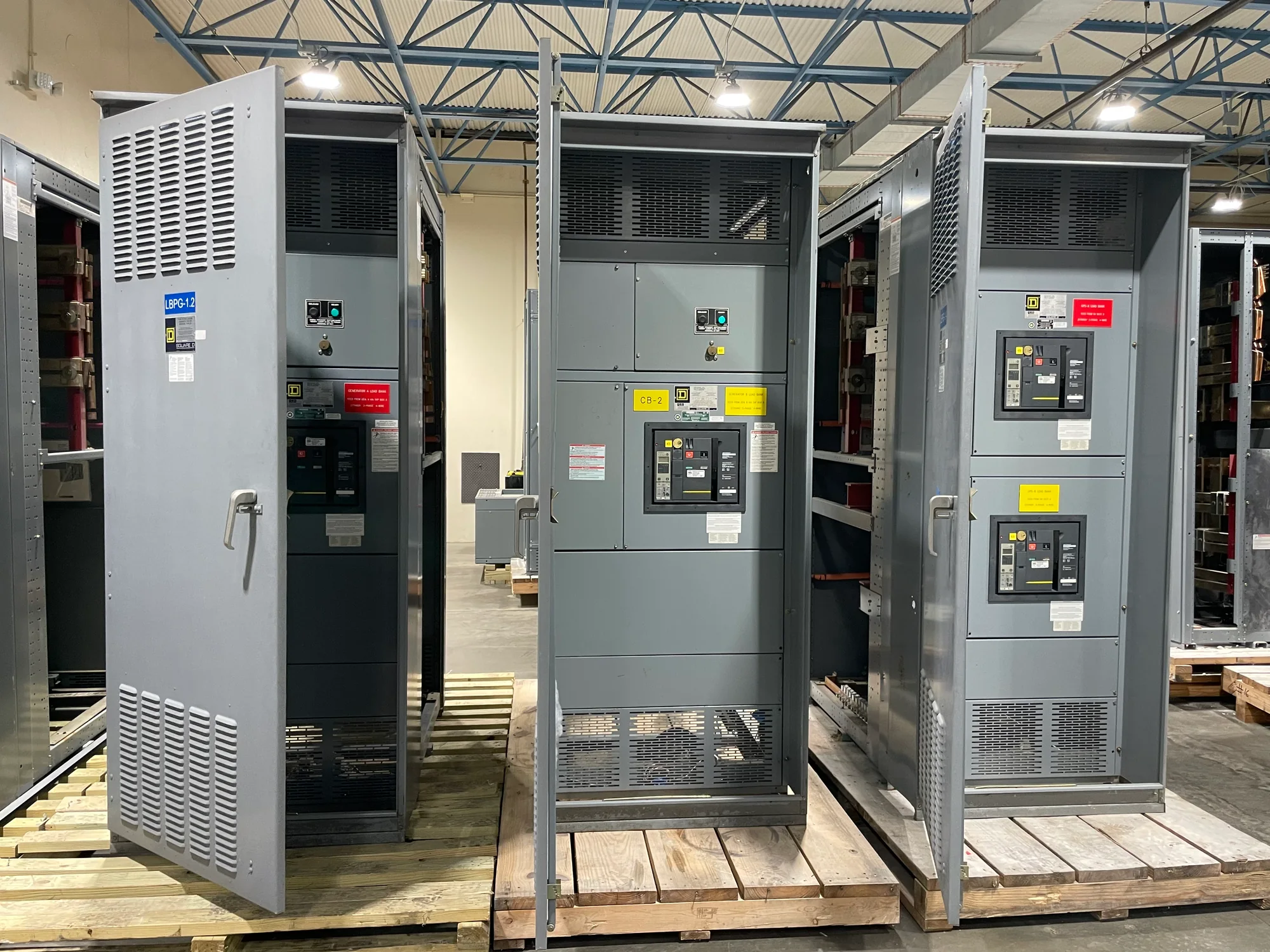
Define the FAT Scope Around Project Requirements
A factory acceptance test (FAT) is a structured opportunity to examine and test new switchgear before shipment, using a scope agreed for the particular project. It is not one universal checklist: the equipment type, drawings, specifications, control scheme and purchase requirements determine which inspections and tests are appropriate. Start by identifying the assemblies and functions in scope, including relevant compartments, control circuits, metering, protective devices and communication interfaces. Establish which requirements will be demonstrated, which will be reviewed through records, and which cannot be verified under factory conditions. The plan should also identify governing documents and their revisions, equipment identification, test prerequisites, acceptance criteria and the people authorized to resolve questions. For medium- or high-voltage equipment, identify and verify standards applicable to that specific equipment; requirements differ by design and application. Qualified professionals determine applicable codes, protection and ratings. Clear boundaries help the FAT produce useful evidence without implying that a factory test replaces field commissioning or every required code evaluation.
Build a Practical Inspection and Test Plan
A useful FAT plan separates visual and mechanical inspections from electrical and functional checks, then states the method and pass criteria for each item. Depending on the project scope and equipment design, inspection may cover nameplates, arrangement, wiring identification, workmanship, access, interlocks and conformity with approved drawings. Electrical checks may include continuity, insulation-related measurements or verification of control-circuit wiring when specified and suitable for the equipment. Functional demonstrations can exercise breaker operation, indication, alarms, control logic and specified interlocks under defined test conditions. Protection settings and relay functions require particular care: list the approved settings or test values, test method, expected response and responsibility for approval. Do not assume every test is appropriate for every assembly; some checks require special conditions, create risks, or belong at site during commissioning. The plan should identify instruments or test equipment where relevant, record results against stated criteria and distinguish a test failure from an observation requiring clarification. Agreeing this detail early makes the inspection repeatable and keeps acceptance decisions tied to documented requirements.
| System | Voltage, phase, current and available fault current |
|---|---|
| Configuration | Lineup, protection, controls and enclosure as specified |
| Compliance | Applicable standards and listing confirmed for the assembly |
| Delivery | California and nationwide; schedule confirmed by quote |
Choose Witness Arrangements and Decision Roles
Witness participation is an option to coordinate, not an automatic feature or substitute for defining the test. The project team can decide whether customer representatives, the engineer, contractor or other designated parties attend in person, join remotely where practical, or review the completed records. Confirm the proposed date or scheduling window, expected duration, attendee roles, access requirements and how questions or deviations will be handled. Identify who may observe, who may request a pause for clarification, and who has authority to accept results or approve a change in scope. A witness should receive the current test plan and relevant approved documents in advance, with enough time to raise questions. If a witness cannot attend, agree whether testing proceeds, is rescheduled, or is documented for later review; the answer depends on project requirements and contractual terms. Schedule-sensitive or expedited arrangements may be considered after project review, but timing depends on scope, readiness and coordination. Written agreement prevents differing assumptions from delaying acceptance.
Prepare the Assembly and Manage Findings
A FAT is most effective when the equipment and project information are ready before the scheduled review. Confirm that the assembly has reached the agreed inspection stage, the applicable drawing set is identified, required settings and logic have been approved, and test procedures and criteria are available. Resolve missing or conflicting inputs before they become disputed results. During testing, record each result as pass, fail, not applicable or pending, as the plan defines, and link findings to the relevant requirement or document. For a discrepancy, describe the condition, identify affected equipment, state the proposed disposition and document who approves it. Corrections may require repeat testing of the affected function, and sometimes related checks; determine the extent based on engineering review rather than assuming a single retest is sufficient. Keep deviations distinct from accepted design changes, and update controlled drawings or records when changes are authorized. Safety procedures and test boundaries must be established by qualified personnel. This disciplined process gives the project team a traceable basis for deciding whether open items prevent acceptance or can be closed under an agreed action plan.
Specify the Records and Closeout Package
Agree on the FAT deliverables before testing so the final package answers practical questions, not merely confirms that a meeting occurred. Records commonly include the approved test plan, equipment identifiers, test date and participants, inspection and test results, relevant instrument information, witness comments, deviations, dispositions and retest evidence. The package may also include marked-up documents or revised drawings when project-approved changes affect them. Specify the format, responsible reviewer, delivery route and expected review process; document-control requirements may determine whether signed forms, editable files or a particular naming convention are needed. Check that each result can be traced to a requirement and that unresolved items have an owner and target for disposition. The record should distinguish factory verification from site activities still required, such as installation checks, utility coordination or commissioning tests. Acceptance criteria and contractual signoff remain project-specific, so clarify whether approval closes the FAT, authorizes shipment, or simply records witness review. For a project quotation or planning discussion, provide the equipment scope, approved specification and drawings, desired tests, witness preference and documentation requirements. Specific inputs help the manufacturer and project team define a relevant, reviewable plan.