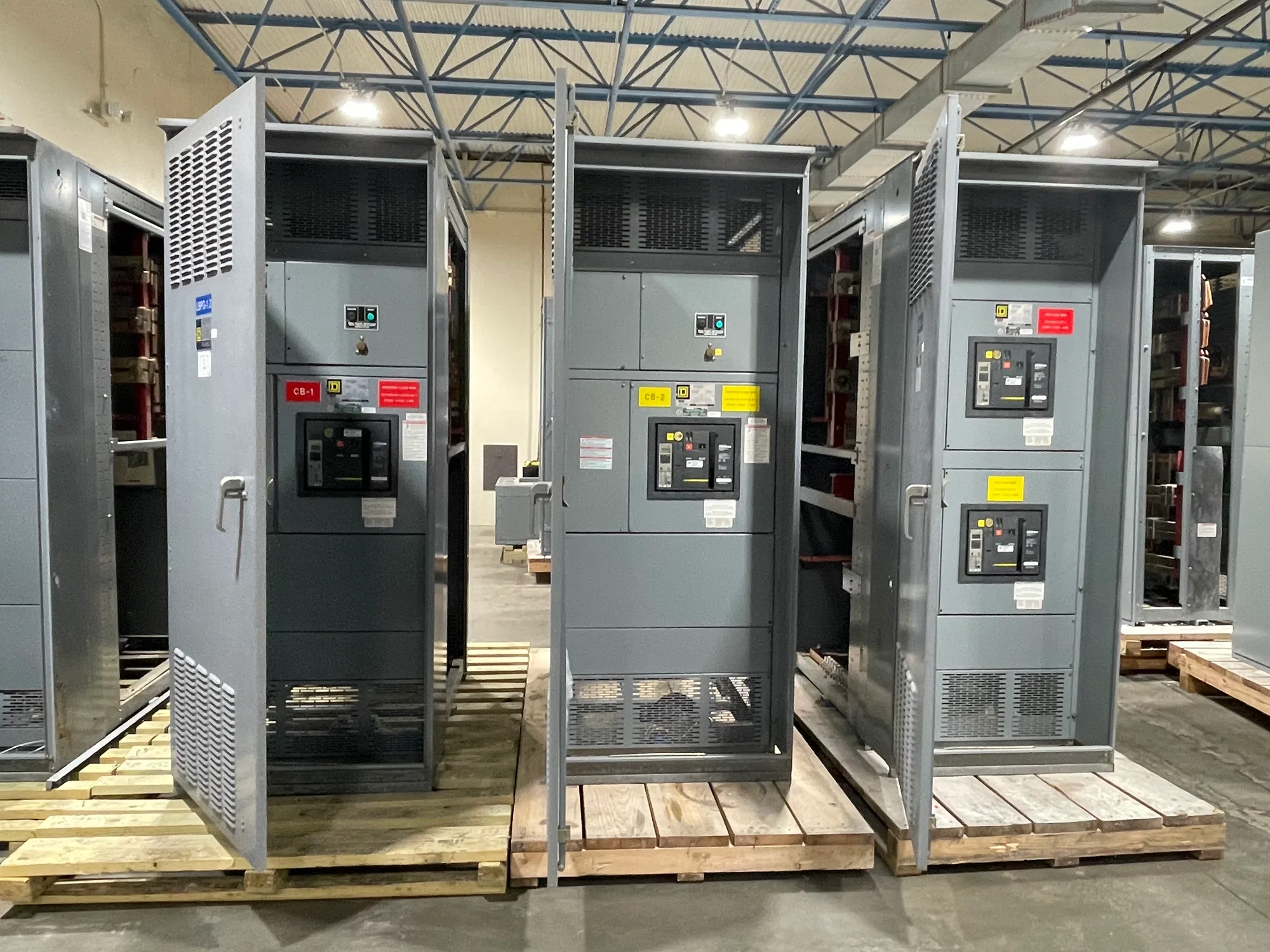
Start with the actual site exposure
An outdoor location does not describe a single environment. A switchgear enclosure may face wind-driven rain, blowing dust, irrigation spray, coastal salt, standing water, snow, intense sun or a combination of conditions. Begin by documenting what can reach the equipment, how often exposure occurs and whether the site has unusual hazards. Note nearby cooling towers, washdown areas, vehicle routes and locations where drainage collects. A sheltered pad under a canopy has different demands from an exposed coastal installation, but neither should be judged by appearance alone. These details help the project team select a suitable enclosure approach and evaluate whether the specified rating addresses the actual exposure. They also inform material, finish, door arrangement and installation planning. Where the environment is uncertain, ask the engineer or equipment supplier to resolve the design basis before procurement rather than treating “weatherproof” as a complete specification.
Verify the enclosure rating and its scope
A rating is meaningful only when its scope and intended conditions are clear. Identify the exact enclosure classification or ingress-protection designation required by the project documents, and confirm which equipment and openings it covers. Do not assume that a weather-resistant cabinet, gasketed door or outdoor label establishes a particular rating. The complete assembly may include cable-entry plates, ventilation components, control devices, viewing windows, heaters, drains or other penetrations that affect protection. Check whether the stated requirement applies to the enclosure as configured, rather than to a component in isolation. Also distinguish protection against environmental entry from electrical ratings, fault performance and code obligations; one does not establish the others. If documents use broad terms without naming a standard or test condition, request clarification from the specifying engineer. Qualified professionals should determine the applicable requirements and verify that the proposed configuration aligns with the project specification.
| System | Voltage, phase, current and available fault current |
|---|---|
| Configuration | Lineup, protection, controls and enclosure as specified |
| Compliance | Applicable standards and listing confirmed for the assembly |
| Delivery | California and nationwide; schedule confirmed by quote |
Compare materials, finishes and weather details
Outdoor protection depends on construction details as well as the nominal rating. Enclosure material and finish should be considered against corrosion sources, ultraviolet exposure, temperature cycling and maintenance practices. A coastal site may call for closer review of salt exposure and dissimilar-metal contacts; an industrial yard may require attention to airborne chemicals or cleaning agents. Door seams, hinges, latches, gasket compression and surface drainage influence long-term performance, especially where repeated access is expected. Ask how cable entrances will be sealed and whether field-installed fittings must meet a specified condition. Sun loading can raise internal temperatures even when water entry is controlled, so thermal management may require separate evaluation. Ventilation, filters, heaters or air-conditioning can affect both heat balance and enclosure protection. Compare options on the basis of the whole installed arrangement, including service life and inspection needs, instead of selecting by material name or appearance alone.
Plan access, foundations and cable entry
A protective enclosure must still allow safe operation and maintainable equipment access. Review door swing, working clearances, operating handles, lifting provisions and the route used to remove or service components. Confirm that the pad, housekeeping curb or supporting structure provides adequate dimensions and a level installation surface, while allowing water to drain away rather than collect at the base. Coordinate conduit and cable entry locations with the equipment layout before concrete work; late changes can create difficult penetrations or compromise sealing details. Consider whether access doors will face prevailing weather, traffic, or a restricted service aisle. The installation plan should address anchorage, grounding, bonding, cable support and any required barriers, with qualified professionals confirming applicable electrical and building requirements. Include inspection and maintenance access in the layout. A well-chosen enclosure is not practical if site geometry blocks safe operation or makes routine gasket and hardware checks difficult.
Send a complete basis for review
For a useful configuration review, provide the one-line diagram, equipment type and system voltage, project specifications, required enclosure designation, and available site drawings. Add photographs or a written description of exposure, ambient conditions, elevation, pad dimensions, cable-entry direction and access constraints. Identify any requirements for corrosion resistance, finish, internal temperature control, heaters, ventilation, sound limits or future expansion. State whether the enclosure is standalone or integrated with other equipment, and flag interfaces with transformers, control wiring or utility connections. The manufacturer can use this information to review the requested arrangement and identify questions or tradeoffs; final ratings, protection and code compliance remain matters for the project’s qualified design professionals to establish. If the project schedule is tight, share required dates and decision milestones early so possible schedule-sensitive options can be reviewed without assuming a guaranteed delivery date. Resolve open items before release to reduce redesign and installation surprises.