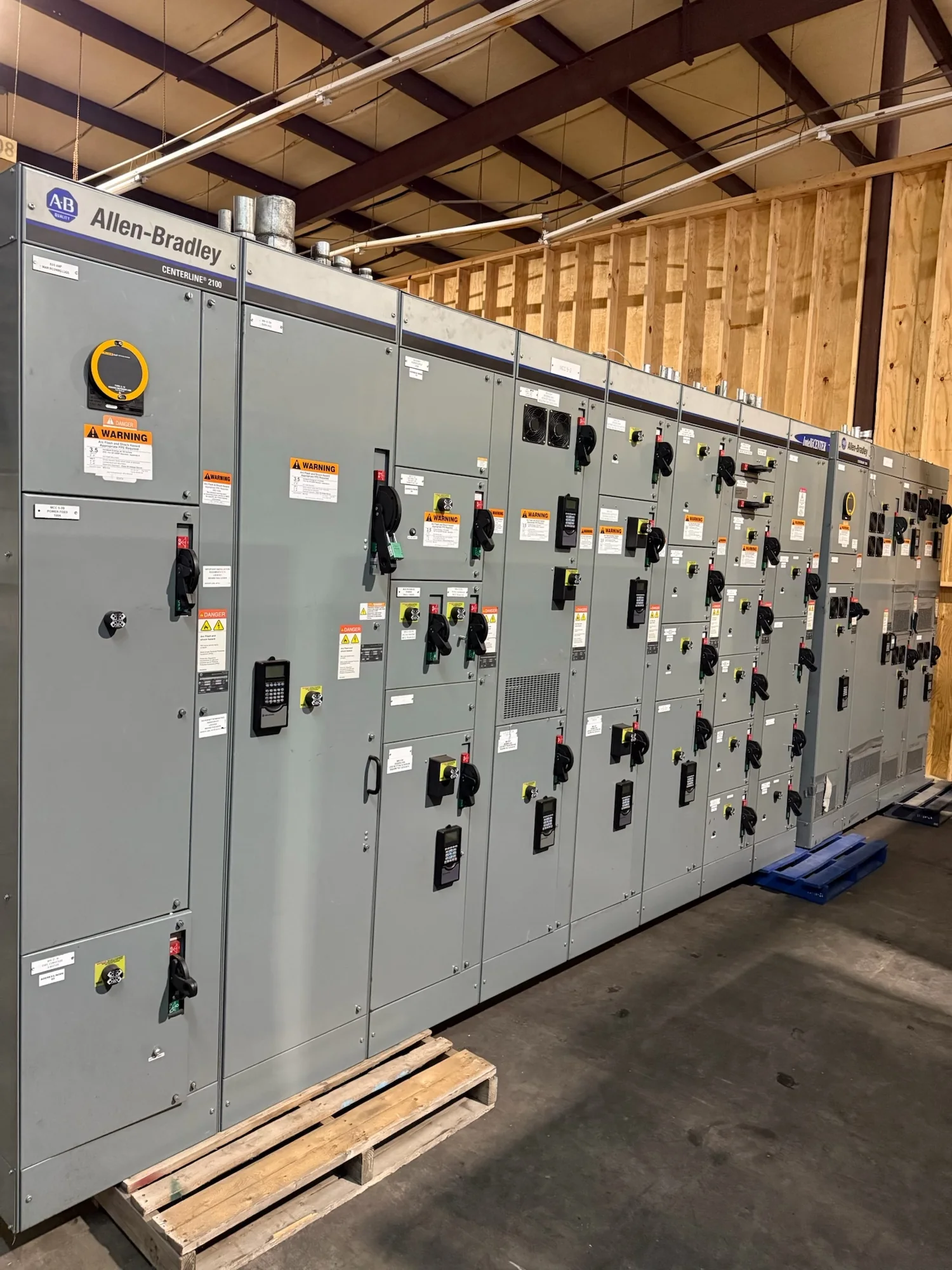
Start with the circuits the panelboard must serve
A power distribution panelboard is best defined by the loads and branch circuits downstream of it, not by a generic ampere rating alone. Identify the equipment each circuit will feed, expected demand, continuous loads, phase and voltage, and any planned expansion. Note whether circuits serve motors, HVAC equipment, lighting, receptacles, process loads, or a mixture; those uses can affect device selection and coordination. Also establish whether the panelboard is fed from a transformer, switchboard, generator, or another source, and whether it is part of normal, standby, or emergency distribution. This information helps the design team evaluate the bus arrangement, incoming connection, main-device approach, and number and type of outgoing protective devices. A circuit schedule is a practical starting point, but it should distinguish known loads from allowances and identify any loads with unusual starting or operating characteristics.
Match the arrangement to the installation
The physical and electrical arrangement should fit the project’s distribution path and available space. Confirm the upstream source, feeder conductors, connection method, available mounting area, enclosure environment, access requirements, and the direction from which cables will enter and leave. Floor plans and one-line diagrams can reveal conflicts that a device count cannot, including constrained working space, routing congestion, or a mismatch between the proposed panel location and feeder path. Consider whether the installation calls for a main protective device at the panelboard or a different arrangement coordinated with upstream equipment; that decision depends on the system design and applicable requirements. Interior configuration, enclosure dimensions, and termination space should be reviewed against actual conductors and installation conditions rather than assumed from nominal ratings. For projects with future circuits, reserve capacity deliberately and verify that the selected physical arrangement can accommodate the intended allowance.
| System | Voltage, phase, current and available fault current |
|---|---|
| Configuration | Lineup, protection, controls and enclosure as specified |
| Compliance | Applicable standards and listing confirmed for the assembly |
| Delivery | California and nationwide; schedule confirmed by quote |
Coordinate protective devices and available fault current
Protective devices must be selected and coordinated as part of the complete power system. Provide the available fault-current information at the panelboard, the upstream protective-device type and settings, feeder details, and the downstream loads or equipment that require protection. A qualified electrical professional should evaluate interrupting ratings, equipment short-circuit ratings, conductor protection, and the intended coordination strategy using the project’s actual system data. Selectivity may be important where limiting an outage to one branch circuit is a design objective, but it can involve tradeoffs in device types, settings, and clearing times. Do not assume that a panelboard arrangement or breaker family is suitable based only on voltage or current. The engineer of record and other qualified professionals determine the required protection, ratings, and applicable codes for the installation. Where system data are incomplete, resolve those gaps before finalizing device selections or equipment documentation.
Resolve ratings, standards, and project requirements
Treat voltage, current, phases, bus capacity, neutral requirements, grounding, enclosure conditions, and fault-current values as project inputs to confirm, not interchangeable catalog assumptions. The specification should also identify operating environment, ambient conditions where relevant, access limitations, and any owner or authority requirements that affect construction. Standards depend on equipment type and the application; identify and verify the standards applicable to the specific panelboard and installation. UL 891 applies to applicable low-voltage switchboards, not automatically to every power distribution panelboard or other equipment. A standards reference should not be treated as evidence of a third-party listing or approval. If the project requires a particular evaluation, marking, or documentation, state it clearly for review. Clear distinctions between mandatory requirements, preferred features, and unresolved design questions help prevent late changes and support an accurate technical review.
Prepare a complete submittal and review package
For a useful quotation and engineering review, provide the one-line diagram, panel schedules, feeder and source information, load data, available fault current, and the governing project specification. Include the requested ratings, protective-device functions, enclosure and mounting conditions, cable entry preferences, and any spare-space or future-circuit criteria. Identify the project location, installation environment, and required submittal milestones so practical constraints can be assessed; schedule-sensitive or expedited options, if considered, remain subject to project review. Switchgear Builder California manufactures new equipment in the USA with American components and supplies customers in California and nationwide, with shipping arrangements considered for the specific project. After reviewing the requirements, resolve open technical questions before approving drawings or proceeding with procurement. A coordinated package makes it easier for the project team to verify that the proposed panelboard arrangement serves the intended downstream circuits and integrates appropriately with the upstream and downstream distribution system.