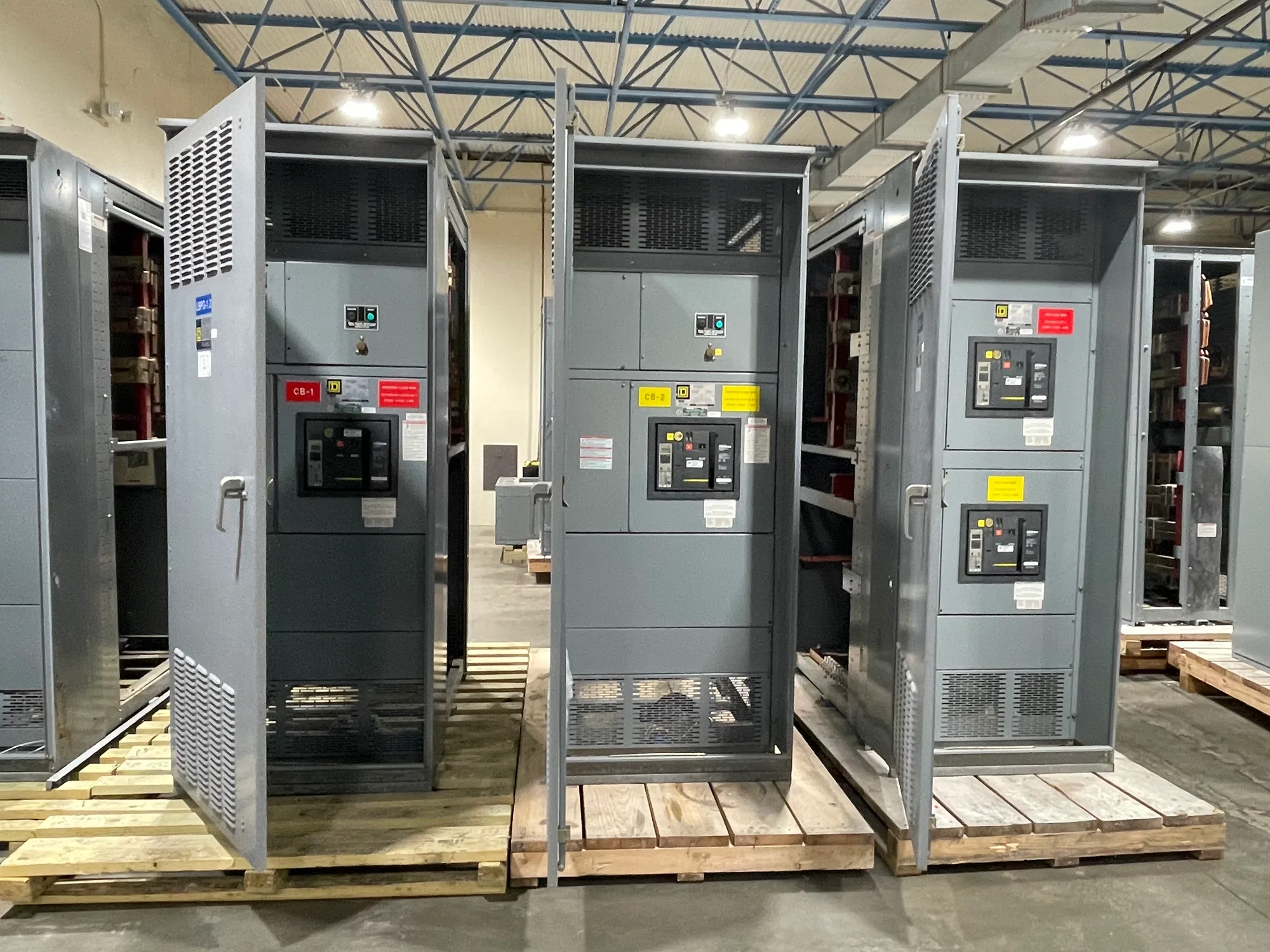
Define the electrical duty before selecting equipment
Pad-mounted switchgear is positioned at ground level for outdoor power distribution, but the enclosure style alone does not define the electrical design. Start with the one-line diagram and establish the system voltage, frequency, source arrangement, load requirements, fault conditions and intended switching functions. Identify whether the application is utility-owned, customer-owned or part of a distribution system with shared interfaces; ownership affects operating responsibilities and review. Confirm the equipment type and interrupting or withstand requirements with the engineer responsible for the system. Medium- and high-voltage equipment must be evaluated against standards applicable to that specific equipment and project; a standard reference is not evidence of a third-party listing. Qualified professionals should determine protection, ratings and applicable codes. Provide the manufacturer with the latest drawings, load information and project criteria, and flag unresolved assumptions so they can be reviewed before the design is finalized.
Plan the pad, working space and operating approach
A ground-level installation needs a suitable foundation and a clear operating area, not just a footprint that fits on a site plan. Confirm pad dimensions, elevation, anchoring details, conduit locations and cable entry requirements against the equipment layout and civil drawings. Account for door or compartment access, operating positions, lifting or service needs and the space required for qualified personnel to work safely. Check local clearances, barriers, vehicle routes and adjacent structures with the project engineer and authority having jurisdiction. Keep drainage and surface grading from directing water toward the enclosure or obstructing access. The installation plan should also identify how the assembly will reach its final position, including delivery route, turning space and any site restrictions. When the civil design is still developing, share preliminary dimensions and interface assumptions early, then reconcile them with approved drawings before concrete work or conduit placement.
| System | Voltage, phase, current and available fault current |
|---|---|
| Configuration | Lineup, protection, controls and enclosure as specified |
| Compliance | Applicable standards and listing confirmed for the assembly |
| Delivery | California and nationwide; schedule confirmed by quote |
Match enclosure details to environmental exposure
Outdoor service exposes equipment to rain, temperature changes, sunlight, dust, corrosive conditions and site-specific hazards. Describe the actual environment rather than relying on a general label such as outdoor-rated: note coastal or industrial exposure, prevailing wind, snow or ice concerns, standing-water risk, elevation and nearby heat sources. Identify any project requirements for enclosure construction, finish, ventilation, seals or internal temperature management, and have those details reviewed for the intended application. Consider how vegetation, irrigation and routine landscaping could affect doors, ventilation paths or safe approach. If the site is vulnerable to flooding, wildfire conditions, airborne contaminants or impact from traffic, call that out during design review so appropriate mitigation can be considered. Environmental requirements should be coordinated with access and maintenance needs; added protection can affect dimensions, heat dissipation or service procedures. Confirm applicable requirements for the project rather than assuming one enclosure arrangement suits every location.
Coordinate utility and system interfaces early
Utility coordination can shape the equipment arrangement, protective scheme and project schedule. Establish who supplies and owns each portion of the system, where the point of connection lies, and which party approves switching, metering, grounding and protection details. Request the utility's current service requirements, interface drawings and review process, then compare them with the project's one-line diagram and site plan. Confirm cable termination arrangements, phasing, access expectations and any operating or labeling conventions that affect the design. Where multiple parties are involved, assign responsibility for resolving comments and controlling drawing revisions; mismatched assumptions can lead to late changes in pad, conduit or equipment details. Include the utility's review milestones in the project plan, but treat timing as subject to its procedures and project conditions. Send complete, coordinated information, document responses and keep the manufacturer informed when utility comments change a defined requirement.
Prepare a complete inquiry and review package
A focused inquiry helps determine whether the proposed design can be developed for the application. Provide the one-line diagram, site plan, equipment schedule, system voltage and frequency, load and fault data, required switching functions, cable and conduit information, environmental conditions and applicable project specifications. Include the desired delivery window and identify any schedule-sensitive constraints; expedited options, if considered, depend on project review and confirmed scope. Specify whether drawings, interface data or coordination meetings are needed, and identify the engineer, contractor and utility contacts responsible for technical decisions. Ask for clarification where requirements are unsettled rather than filling gaps with assumptions. Review proposed documents for electrical interfaces, dimensions, access and environmental details, and return consolidated comments to avoid conflicting revisions. For projects in California and elsewhere nationwide, delivery planning remains dependent on the destination, equipment scope and project conditions. Early, accurate inputs support a more useful technical review and clearer next steps.