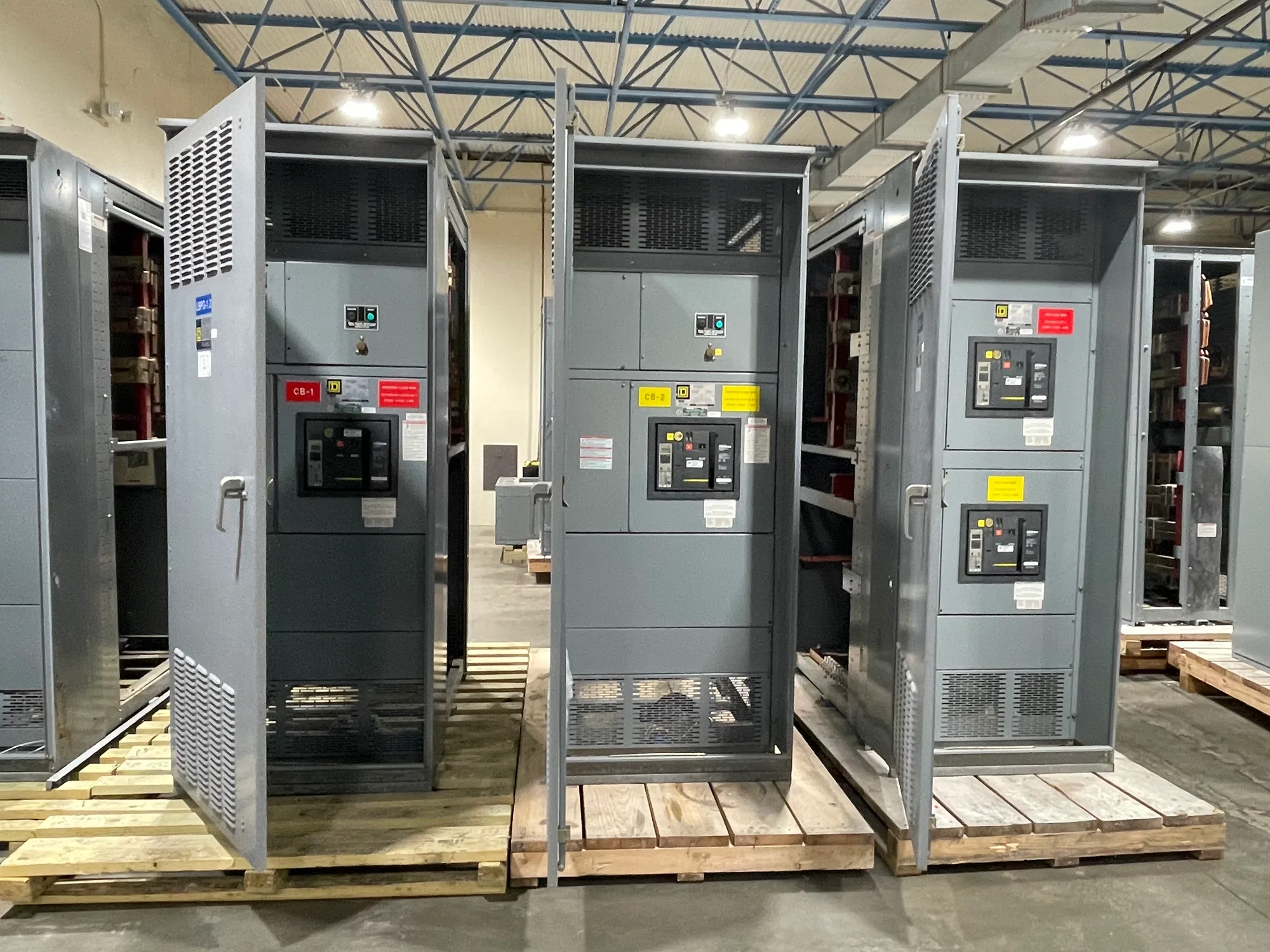
Start with the Conditions at the Installation Site
An outdoor panelboard needs to be considered in the context of its surroundings. Rain, wind-driven water, direct sun, dust, airborne chemicals, salt air, irrigation spray and standing water can affect enclosure selection and long-term serviceability. A sheltered wall beneath a roof presents different exposure than an open coastal site or an industrial yard. Record which conditions are present, how often they occur and whether they change seasonally. Also note nearby heat sources, vehicle traffic, landscaping and activities that could damage the enclosure or obstruct access. These details help the project team determine what level of environmental protection and construction is appropriate; the word “outdoor” alone does not define those requirements. Share site photographs, drawings and equipment-room or wall elevations with the manufacturer when available. If conditions are uncertain, ask the engineer or site owner to clarify exposure before the panelboard design is finalized.
Match Enclosure Construction to Weather Exposure
Enclosure selection should reflect the actual exposure and the project’s applicable specifications. Confirm the required enclosure type or environmental rating with the responsible design professional, then check that it addresses the expected entry of water and foreign material for the installation location. Do not assume that one enclosure choice is suitable for every outdoor application, or that an enclosure intended to limit water entry is appropriate for corrosive or hazardous surroundings. Material, finish, seams, doors, hardware and penetrations all matter, particularly where moisture, salt or chemicals can accelerate deterioration. Consider whether the panelboard will be washed down, exposed to de-icing products or placed where water can collect at its base. Cable entries and field-installed openings should be coordinated so they do not undermine the intended enclosure protection. Provide the project specification and exposure details for review, and resolve any conflict between drawings and site conditions before releasing the design.
| System | Voltage, phase, current and available fault current |
|---|---|
| Configuration | Lineup, protection, controls and enclosure as specified |
| Compliance | Applicable standards and listing confirmed for the assembly |
| Delivery | California and nationwide; schedule confirmed by quote |
Plan Mounting, Support and Water Management
A sound mounting plan accounts for the panelboard’s weight, its mounting surface and the forces the installation may experience. Identify whether the unit is intended for a wall, structural frame or another support, and confirm that the supporting structure and attachment method are suitable for the equipment and site. The design should also address clearance from grade, drainage paths, splash zones and the possibility of flooding or snow accumulation. A raised installation may reduce exposure to surface water, but the required height and support details must come from the project design and applicable rules. Avoid locating the enclosure where roof runoff, irrigation or discharge piping directs water toward it. Coordinate conduit routing and entry locations with the enclosure layout and mounting orientation; field changes can affect access and weather protection. Before installation, compare the approved drawings with the actual surface, obstructions and utility routes, and resolve deviations with the responsible project professionals.
Preserve Safe Access and Serviceability
Outdoor placement should make routine operation and maintenance practical without compromising safety. Establish working clearances and access requirements from the applicable codes, equipment design and project documents; qualified professionals must determine the requirements for each installation. Check door swing, operating height, handle access and the route technicians will use to reach the panelboard. Consider whether gates, parked vehicles, snow storage, vegetation or future construction could block that route. If the equipment is in a public or exposed area, the project team should evaluate appropriate access control and protection against accidental impact. Sun exposure can make an enclosure difficult to work on during hot periods, while poor lighting or drainage can complicate service in other conditions. These are design and operations considerations, not reasons to bypass required clearances. Include the intended access side, surrounding equipment and any barriers on the site plan so the layout can be reviewed before fabrication and installation.
Provide Design Inputs Before Ordering
For a useful design review, provide the electrical drawings, panel schedule, system voltage, available fault-current information, required interrupting and bus ratings, and the project’s applicable code and specification requirements. Include the mounting arrangement, proposed location, exposure conditions, cable or conduit entry preferences, and any restrictions on dimensions or access. Ratings, protective-device coordination and applicable standards must be determined for the particular system by qualified professionals; they should not be inferred from the panelboard’s outdoor location. The project team should verify that the specified equipment aligns with the service conditions and installation documents. As an American manufacturer and builder of new equipment using American components, Switchgear Builder California supplies switchgear to customers in California and nationwide, subject to project review. If the schedule is sensitive, identify the required dates and decision milestones early; any expedited approach depends on scope and review and cannot be assumed. Confirm enclosure, mounting and site details before approving the final design.