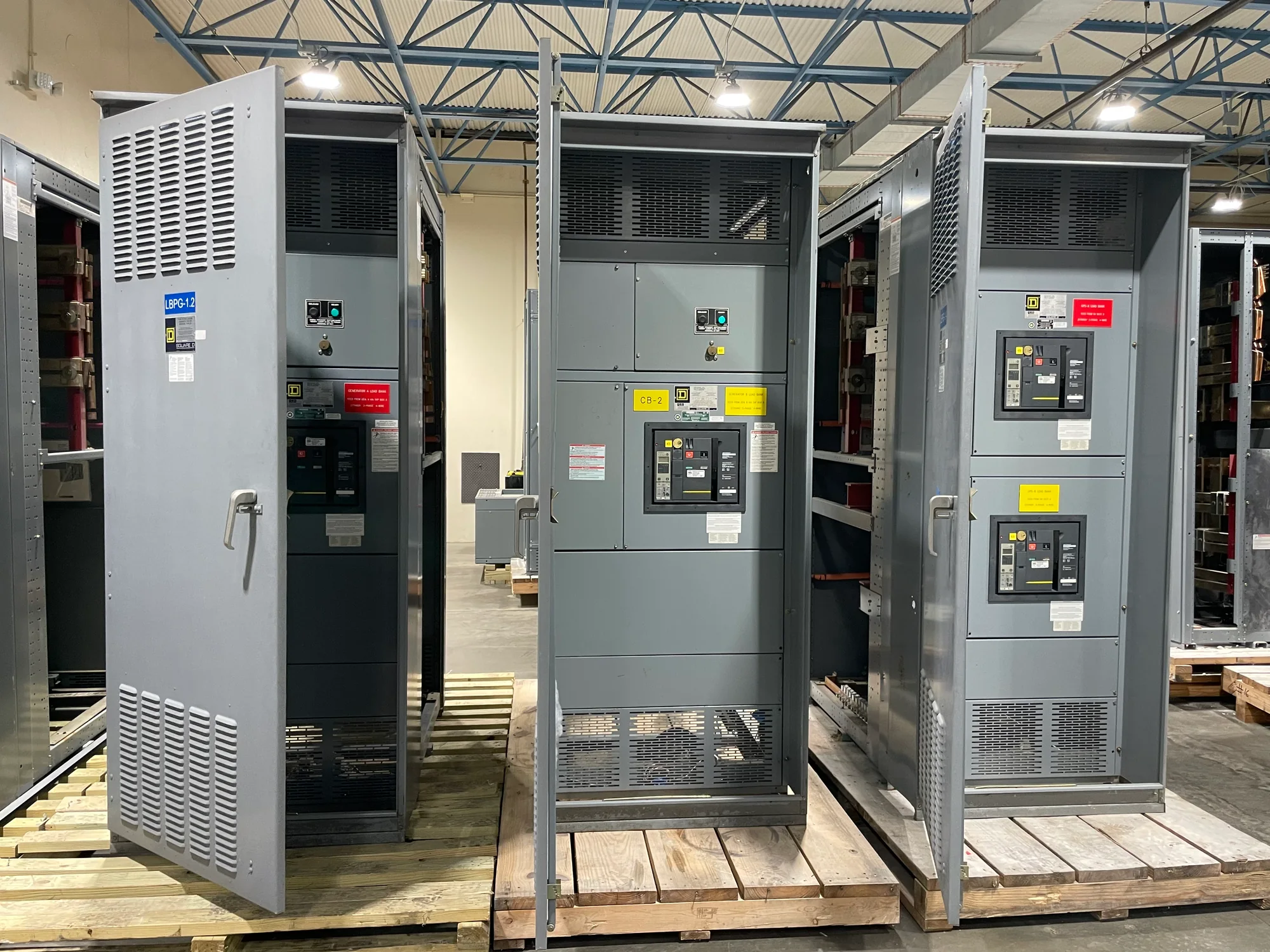
How Break-Before-Make Transfer Works
An open-transition transfer switch moves a load between two power sources using a break-before-make sequence. It opens the connection to the active source before closing the connection to the alternate source. Because the two sources are not intentionally connected together during the changeover, the load experiences a period without power from either source. The interval is often brief, but its significance depends on the equipment served and the overall transfer sequence. This operating principle differs from closed-transition transfer, which may momentarily parallel sources under controlled conditions; the two approaches have different system implications and should not be treated as interchangeable. For an open-transition application, confirm which sources are involved, which source normally serves the load, and what conditions initiate transfer. Those inputs help establish the required switching arrangement and control behavior. Qualified electrical professionals should evaluate the system, protection, ratings, and applicable codes before selecting equipment.
What the Momentary Interruption Means
During the open interval, the transfer switch has disconnected the load from its original source and has not yet connected it to the alternate source. Loads that tolerate a short loss of supply may resume operation when the alternate source is connected, while sensitive controls, communications equipment, process machinery, or electronic systems may reset, trip, or require a restart. The actual effect varies with load characteristics, control settings, transfer timing, and the alternate source’s readiness. A standby generator, for example, may need time to start and reach acceptable operating conditions before the switch can connect it, so the interruption can include both the source-transfer interval and generator startup. Do not assume a particular interruption duration or that every load will ride through it. Identify critical loads and their allowable interruption, then determine whether local ride-through, uninterruptible power, staged transfer, or another system measure is appropriate. The switch alone does not provide uninterrupted power.
| System | Voltage, phase, current and available fault current |
|---|---|
| Configuration | Lineup, protection, controls and enclosure as specified |
| Compliance | Applicable standards and listing confirmed for the assembly |
| Delivery | California and nationwide; schedule confirmed by quote |
Coordinate the Switch With Both Sources
A transfer arrangement is only as practical as the sources and controls supporting it. Document the normal and alternate source characteristics, available fault current information, system voltage and frequency, phase and conductor arrangement, grounding approach, and intended load served. For generator applications, consider generator starting and stabilization, source-available signals, exercising or testing practices, and what should happen if the generator fails to become available. For utility-to-utility arrangements, clarify the source relationship and any operating restrictions established by the utilities or facility design. Determine whether transfer is automatic, manually initiated, or subject to operator confirmation, and define the conditions for retransfer to the preferred source. The electrical and controls design should also address load shedding or sequencing where the alternate source cannot support all loads simultaneously. These decisions influence switch configuration and control requirements; they should be resolved with the project engineer, facility team, and other responsible parties before equipment requirements are finalized.
Protection, Ratings, and Installation Inputs
Provide the switchgear builder with the project drawings and a clear description of the installation rather than relying on a general product label. Useful inputs include the one-line diagram, system and source data, load schedule, enclosure and environmental requirements, available space, cable-entry preferences, control interface expectations, and any specified operating or maintenance constraints. The design team must determine the required continuous-current and short-circuit ratings, withstand or interruption duties as applicable to the equipment, and coordination with upstream and downstream protective devices. Verify that the proposed arrangement fits the site’s grounding, bonding, neutral-switching, and service configuration requirements. Applicable codes and standards depend on the equipment type and application; identify and verify the standards relevant to the specific assembly. Qualified professionals are responsible for confirming protection, ratings, installation details, and code compliance. Clear, coordinated submittal information helps expose conflicts early, including mismatched source assumptions or insufficient alternate-source capacity, before they affect procurement or field work.
Plan for Testing and Operating Conditions
Before procurement and installation, agree on how the transfer sequence will be tested and what operators should observe during normal and abnormal conditions. A test plan can address loss of the normal source, alternate-source availability, transfer initiation, retransfer, alarms, and response when a source fails to qualify. Testing should follow the equipment documentation and the facility’s approved procedures, with qualified personnel managing switching and safety controls. Consider how the momentary interruption affects the actual connected load: a test performed without representative loads may not reveal control resets, process interruptions, or restart requirements. Document who may initiate manual transfer, how bypasses or maintenance arrangements are handled if applicable, and what actions are required after an unsuccessful transfer. For a project with a tight schedule, discuss the required design information, review milestones, and delivery constraints early; schedule-sensitive options may be considered only after project review and are not guaranteed. Switchgear Builder California builds new switchgear in the USA with American components and supplies customers in California and nationwide, subject to project review.