Build the Lineup Around Electrical Function
A multi-section switchboard is more than a row of cabinets: its section order affects how power enters, is distributed, protected, and accessed. Begin with a one-line diagram and identify the service or source section, distribution sections, major feeders, metering, and any transition to downstream equipment. Then translate that electrical arrangement into a front elevation that reflects the actual room and cable routes. The ideal sequence on paper may need adjustment when the service entrance arrives from a different direction or when feeder conduits enter below particular compartments. Keep operating and maintenance access in view, including space to open doors and remove components. Section widths and internal arrangements depend on the selected devices, conductor space, and design requirements; do not assume every function fits a standard section. Qualified professionals should establish system ratings, protection, and applicable codes for the project.
Set Shipping Splits Before the Layout Is Fixed
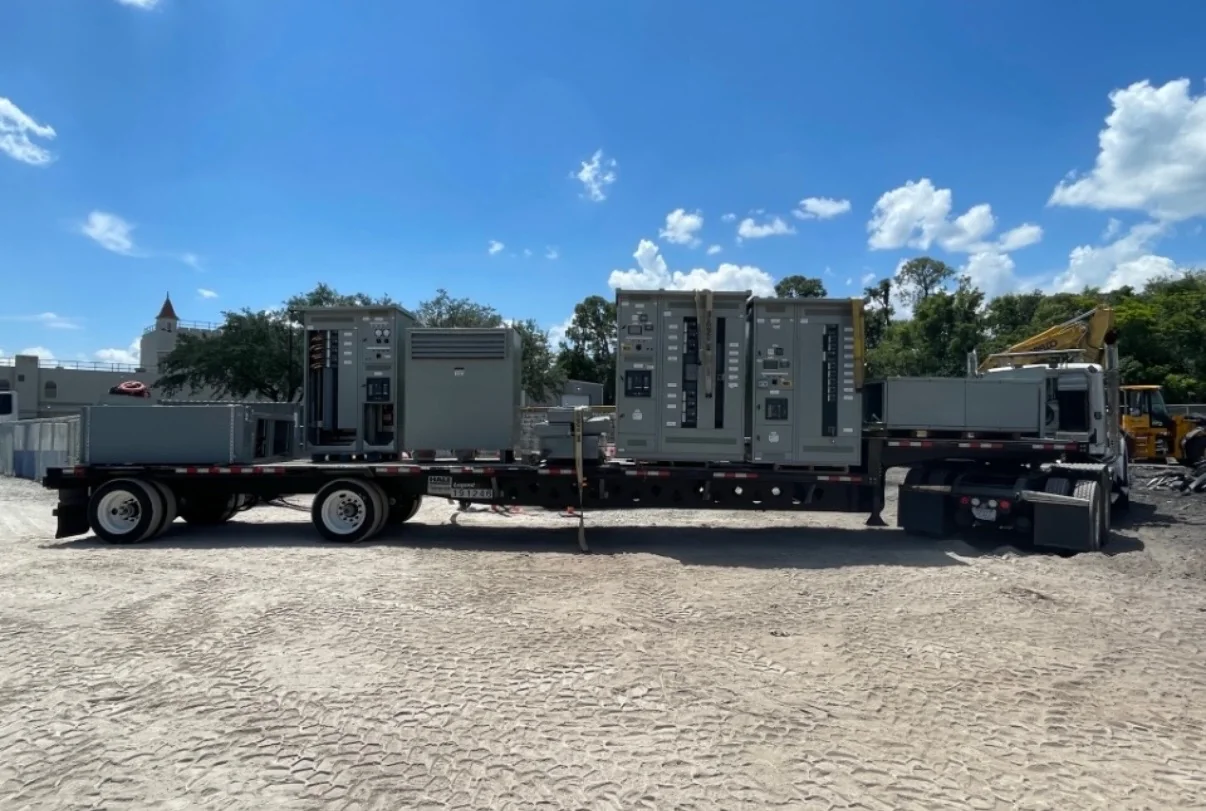
Shipping splits determine how a long lineup is divided for transport and handling, so they should be considered while the section arrangement is still flexible. Review the route from the point of shipment to the electrical room: vehicle limits, site access, elevators, door openings, turning areas, floor capacity, and available lifting equipment can all affect the largest practical assembly. A split through a section boundary is often easier to coordinate than one that interrupts a functional arrangement, but the best solution depends on equipment design and site conditions. Confirm the planned division with the installer and site team, including where each assembly will be staged and how it will be moved into position. Share known transportation restrictions and installation sequencing requirements early. Any schedule-sensitive or expedited option should be evaluated against the complete design, fabrication, transport, and site plan; timing requires project review rather than assumption.
| System | Voltage, phase, current and available fault current |
|---|---|
| Configuration | Lineup, protection, controls and enclosure as specified |
| Compliance | Applicable standards and listing confirmed for the assembly |
| Delivery | California and nationwide; schedule confirmed by quote |
Coordinate Bus Splices and Field Assembly
At each shipping split, the bus connection becomes an important installation interface. The design and documents should make clear which sections meet, how the bus splice is oriented, what hardware and access are required, and how field assembly is to be completed. Verify that the splice location remains reachable after the lineup is positioned and that adjacent wall, conduit, or overhead conditions do not obstruct the work. Installation teams also need a practical sequence for leveling and joining sections, aligning bus, making connections, and completing inspections before energization. Field work must follow the equipment instructions and approved project documents; qualified personnel determine safe work practices and verify connections. When reviewing drawings, resolve naming differences between section tags, shipping marks, and one-line references before release. Clear identification reduces the chance of misplaced sections or avoidable rework, especially when multiple splits are delivered or assembled in stages.
Provide for Future Extension Thoughtfully
A future extension provision can preserve options, but it is not a guarantee that additional load can be added without redesign. First clarify what growth is anticipated: an additional distribution section, a new feeder, or a change in the source arrangement may require different space, bus, protection, or service capacity. Identify the intended direction of extension and consider whether the lineup end will remain accessible, whether a wall or other equipment may block it, and how future conduit or cable routes could reach the added section. If a provision is included, define its intended scope in the project documents and confirm how it is isolated, protected, and closed off for the initial installation. Future changes still require engineering review of available capacity, fault duty, coordination, physical clearances, and applicable codes. A modest allowance for space and a documented connection concept can be more useful than an undefined request to make the board expandable.
Submit a Coordinated Design Package
For a productive layout review, provide the current one-line diagram, load and feeder information, preferred section order, room plan, access clearances, and known conduit entry locations. Include the target shipping route or handling limits, desired split points, site assembly constraints, and any future extension concept. Identify project voltage, system conditions, required ratings, control or metering needs, and applicable specifications as design inputs for confirmation; these details should not be inferred from a product name. For low-voltage switchboards, determine whether UL 891 applies to the specific project; its scope is low-voltage switchboards, not medium- or high-voltage equipment generally. For medium- or high-voltage equipment, identify and verify the standards applicable to that particular equipment. Review the resulting drawings with electrical, structural, construction, and operations stakeholders before approval. Customers can discuss new equipment requirements with Switchgear Builder California, serving California and nationwide projects, with shipping arrangements reviewed for each order.