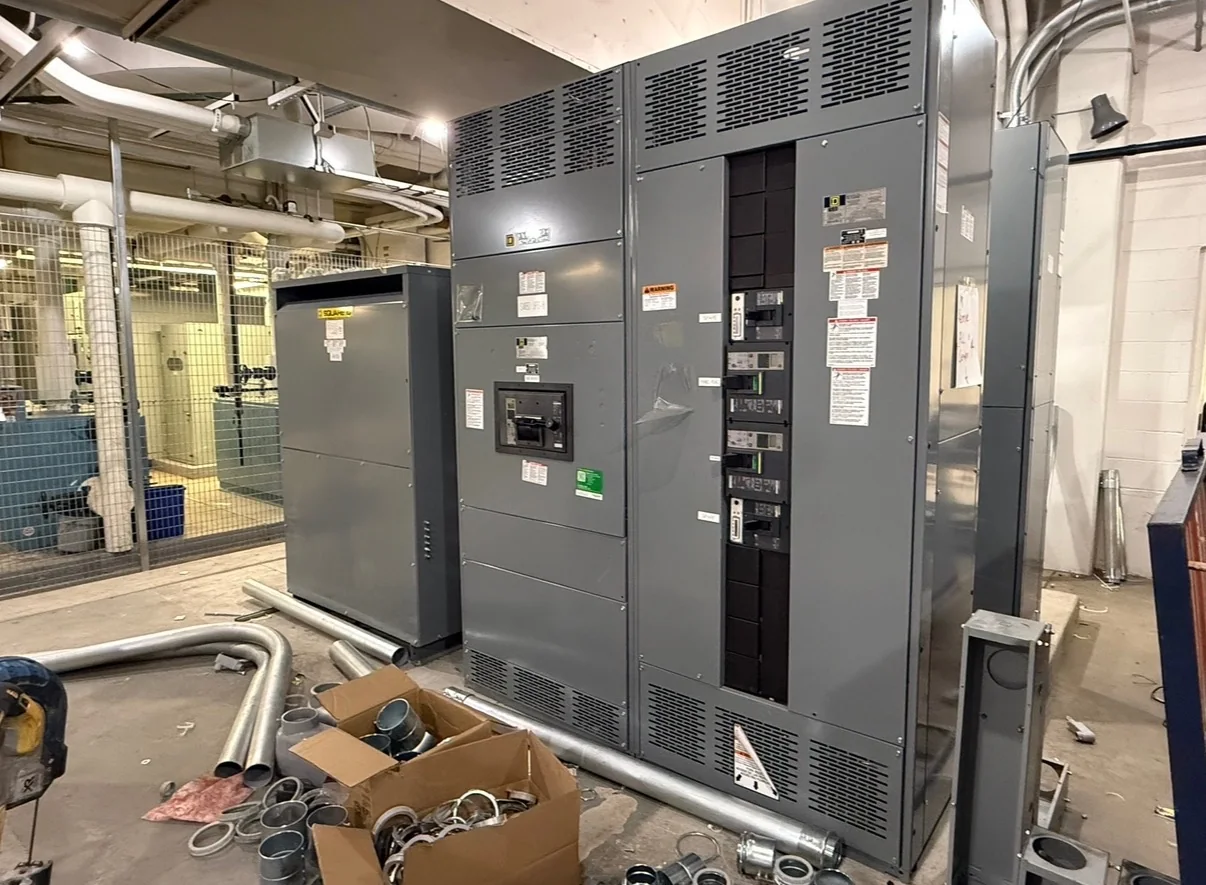
Define the hazard and the required protection
Arc-resistant switchgear is designed to manage the effects of an internal arcing fault under defined conditions. It does not prevent every arc fault, remove electrical hazards, or replace sound system design, protective-device coordination, safe work practices and qualified operation. Begin by identifying the equipment location, system voltage, available fault current, expected clearing time and the personnel exposure the design is intended to address. These inputs shape the required construction and the evidence needed to evaluate it. Ask the engineering team to distinguish the desired arc-resistant performance from other project criteria, such as interrupting ratings, insulation levels, environmental conditions and seismic requirements. Those criteria are related in the overall design but are not interchangeable. A useful specification states the risk-management objective, the applicable equipment type and the site conditions to be considered. Qualified professionals must determine protection, ratings, codes and safety procedures for the specific installation.
Examine construction details that manage an arc event
Review how the proposed assembly is arranged to contain and direct the pressure, heat and gases associated with an internal fault. Relevant details may include compartment barriers, doors and latches, joints, covers, bus supports, cable-entry areas and the path from the equipment to any exhaust provisions. The drawings should make clear which compartments and access sides are included in the intended performance and what installation conditions are assumed. Do not judge a design by one feature, such as a reinforced door or a pressure flap; the assembly works as a coordinated structure. Compare the documented configuration with the actual lineup, including end sections, transitions, instrument compartments and connections to adjacent equipment. Field changes, penetrations or substitutions can affect the tested arrangement, so establish a review process before modifying construction. Where the equipment connects to ducts or other pressure-handling components, confirm their interfaces and installation responsibilities early.
| System | Voltage, phase, current and available fault current |
|---|---|
| Configuration | Lineup, protection, controls and enclosure as specified |
| Compliance | Applicable standards and listing confirmed for the assembly |
| Delivery | California and nationwide; schedule confirmed by quote |
Request meaningful testing evidence
Testing evidence should let reviewers determine what was evaluated and whether the results apply to the proposed configuration. Request the test report or other applicable documentation, not only a general statement that equipment is arc resistant. Check the equipment type, voltage class, fault current, duration, access conditions and tested arrangement against project requirements. Look for stated acceptance criteria, test setup, relevant photographs or diagrams, and any limitations or exclusions. A result for one configuration should not automatically be treated as proof for a different lineup, compartment layout, exhaust arrangement or operating condition. For medium- or high-voltage equipment, identify the standards and test methods applicable to that specific equipment and verify their scope with the project engineer. Standards compliance and third-party certification or listing are distinct matters; neither should be assumed from a test claim alone. Resolve differences between the evidence and project needs before purchase documents are finalized.
Coordinate pressure relief with the installation
Pressure relief is a system-level installation issue, not just an enclosure feature. Confirm where hot gases and pressure are intended to discharge, whether a plenum or duct is required, and how the route relates to ceilings, walls, ventilation, cable trays and nearby occupied areas. Review clearances, duct length and geometry, discharge location, structural support, weather exposure and access for inspection against the manufacturer’s documented design assumptions. The room layout must allow the specified relief path to function without directing discharge toward personnel or compromising adjacent spaces. Clarify who provides, installs and seals each transition, and how field interfaces will be checked. If the equipment is installed in an existing room, verify that the available space and building conditions can accommodate the required arrangement before committing to a layout. The responsible design professionals should evaluate building, fire and electrical requirements alongside equipment documentation.
Build a complete specification and review package
A practical inquiry package helps the manufacturer and engineering team evaluate the same design basis. Provide one-line diagrams, system voltage and grounding, available fault-current information, protective-device clearing assumptions, lineup dimensions, cable-entry preferences, access sides, room drawings and environmental conditions. Identify required arc-resistant performance, the specific test evidence requested, applicable standards for the equipment type, and any project or authority requirements that need confirmation. Ask for general arrangement drawings, interface details, assumptions about pressure relief and a clear list of exclusions or items supplied by others. During submittal review, compare the proposed equipment and exhaust route with the approved room layout, protection study and construction documents; route deviations to the responsible professionals for disposition. Switchgear Builder California builds new equipment in the USA with American components and supplies customers in California and nationwide. Project-specific configuration, documentation and schedule-sensitive possibilities require review, so share constraints early and confirm scope before release.