Start with the condition and operating need
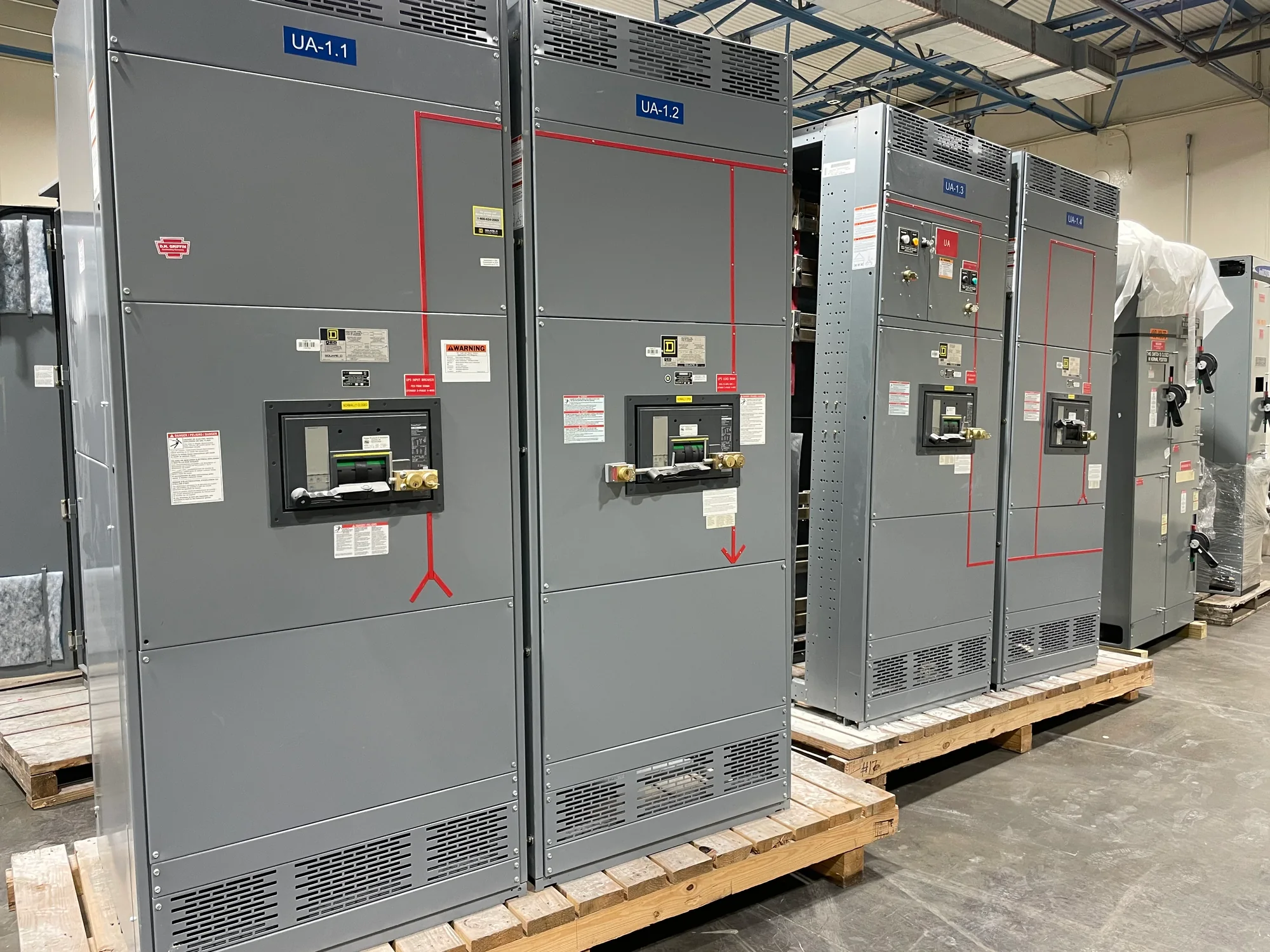
Modernization and replacement solve different problems, so begin by defining what the installation must do and where it falls short. A phased upgrade may address a specific limitation in customer-owned equipment while preserving portions that remain serviceable and compatible. New replacement equipment may be the stronger path when the existing lineup has widespread deterioration, lacks capacity for planned loads, or cannot support required protection and operating functions. Neither choice should rest on age alone. Have qualified professionals assess the equipment’s condition, maintenance history, fault and load information, available space, and the consequences of an outage. Identify whether the driver is reliability, safety, maintainability, expansion, or a change in the facility’s operating model. A clear problem statement helps compare alternatives on the same basis, rather than treating a component change and a complete replacement as equivalent scopes.
Understand the boundaries of a phased upgrade
Phased modernization can limit the amount of equipment changed at one time, which may help a facility manage capital work and coordinate outages around operations. It can also extend the use of existing assets that still meet project needs. The tradeoff is that work must fit the installed equipment: dimensions, bus arrangement, insulation, controls, protection, interfaces, and the condition of retained components all matter. A change in one section can expose dependencies elsewhere, and the remaining equipment continues to govern system limitations. Request a defined scope that identifies what will be modified, what remains untouched, how interfaces will be verified, and what testing and documentation are included. Confirm whether the proposed phases are technically independent or depend on later work. A staged plan is useful only when each interim configuration is understood and can be evaluated by the responsible engineering team.
| System | Voltage, phase, current and available fault current |
|---|---|
| Configuration | Lineup, protection, controls and enclosure as specified |
| Compliance | Applicable standards and listing confirmed for the assembly |
| Delivery | California and nationwide; schedule confirmed by quote |
Compare new replacement equipment on a system basis
Replacement can provide an opportunity to specify a coherent new assembly around present and anticipated requirements, rather than working within the constraints of an existing lineup. It may be appropriate when the equipment’s condition is uncertain, compatible parts or support are difficult to establish, or future expansion calls for a broader redesign. New equipment does not remove the need for careful integration: the project still must address incoming and outgoing connections, available fault current, grounding, protection, metering, control interfaces, room clearances, access, and connection to the facility’s distribution system. Compare the footprint and installation changes as well as the equipment scope. Determine whether foundations, cable routing, terminations, ventilation, or upstream and downstream devices will be affected. Requirements such as voltage, continuous current, interrupting or withstand duty, and enclosure conditions are design inputs to confirm for the particular application—not assumptions to carry forward from the old installation.

Plan outages, temporary operation and sequence
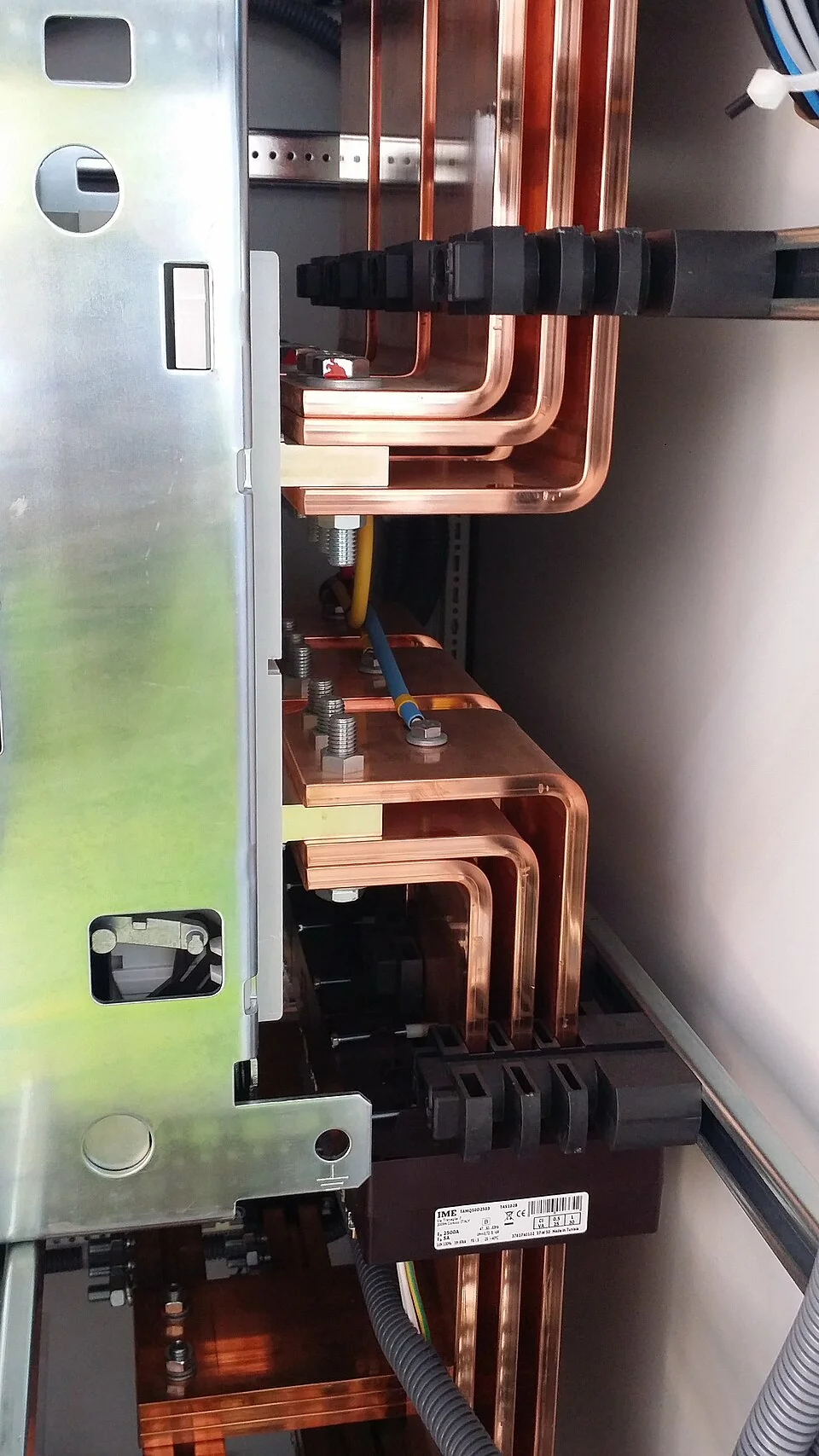
The schedule comparison should include more than fabrication or field-work duration. For either path, map engineering decisions, submittal review, procurement, site preparation, shutdowns, cutovers, testing, and return to service. A phased upgrade may require several outages or temporary operating arrangements; fewer changes per outage can be helpful, but repeated interruptions may add coordination effort. Replacement can concentrate disruption into a larger cutover and may require temporary power, load transfers, or advance installation work. Assess what loads can be interrupted, what redundancy exists, and which operations cannot tolerate a break. Establish who will approve switching procedures and who is responsible for safety, installation, testing, and acceptance. Any schedule-sensitive or expedited approach depends on project review, scope, design status, and material requirements; do not treat a proposed sequence or timing as confirmed until the responsible parties have evaluated it.
Prepare a comparable scope and make the decision
Give the manufacturer and project team the same useful information for both alternatives: equipment nameplates and drawings, one-line diagrams, photographs, load and fault data, protection settings where available, operating history, site dimensions, connection details, and the desired completion window. Note known code, utility, owner, and specification requirements, along with the standards applicable to the specific equipment. Qualified professionals must determine protection, ratings, coordination, and applicable codes for each project. Ask each proposal to distinguish equipment from engineering, installation, commissioning, and owner responsibilities; show assumptions, exclusions, interfaces, and required site work. Compare life-cycle implications, maintainability, future expansion, outage exposure, and uncertainty—not just initial scope. For modernization of customer-owned equipment, confirm that the existing assembly and its retained sections are suitable for the proposed work. If replacement is preferred, define the new equipment requirements and integration boundaries before design proceeds. A documented comparison gives buyers and engineers a sound basis for choosing a path.