Start with the electrical duty and site conditions
Material selection should begin with the equipment’s electrical duty and the conditions where it will operate, rather than a preference for one metal or insulation family. Define system voltage, continuous current, short-circuit conditions, temperature limits, duty cycle and expected operating life. Then document ambient temperature, humidity, condensation risk, dust, corrosive agents, altitude, ventilation and indoor or outdoor exposure. These inputs affect conductor sizing and connections, enclosure construction, insulation choice and thermal management. A material that performs well in a clean, controlled electrical room may need different protection in a damp, dusty or chemically aggressive location. Also consider access for inspection, cleaning and replacement, plus restrictions on weight, footprint or installation methods. Qualified professionals should establish protection, ratings and applicable codes for the specific project. A clear design basis gives the manufacturer useful information to evaluate tradeoffs and helps prevent material choices from being made in isolation from the complete assembly.
Compare copper and aluminum conductors in context
Copper and aluminum are common conductor materials, but selection is not simply a contest between conductivity and price. Copper generally provides higher conductivity for a given cross-section and can support compact conductor arrangements, while aluminum’s lower density can reduce conductor weight. The comparison depends on current, allowable temperature rise, available space, bus geometry, support spacing and the design of joints and terminations. Aluminum may require a larger cross-section to achieve comparable electrical performance, affecting clearances and enclosure dimensions. Connections deserve close attention: compatible terminals, contact preparation, joining methods and installation procedures are essential to reliable performance with either material. Thermal cycling, vibration and maintenance access can influence the practical choice. Specify the conductor material where required by the project, and ask the builder to identify any resulting changes to layout, connection interfaces or service procedures. Confirm that the complete design addresses applicable ratings and project requirements; material alone does not establish assembly performance.
| System | Voltage, phase, current and available fault current |
|---|---|
| Configuration | Lineup, protection, controls and enclosure as specified |
| Compliance | Applicable standards and listing confirmed for the assembly |
| Delivery | California and nationwide; schedule confirmed by quote |
Match enclosure material and finish to exposure
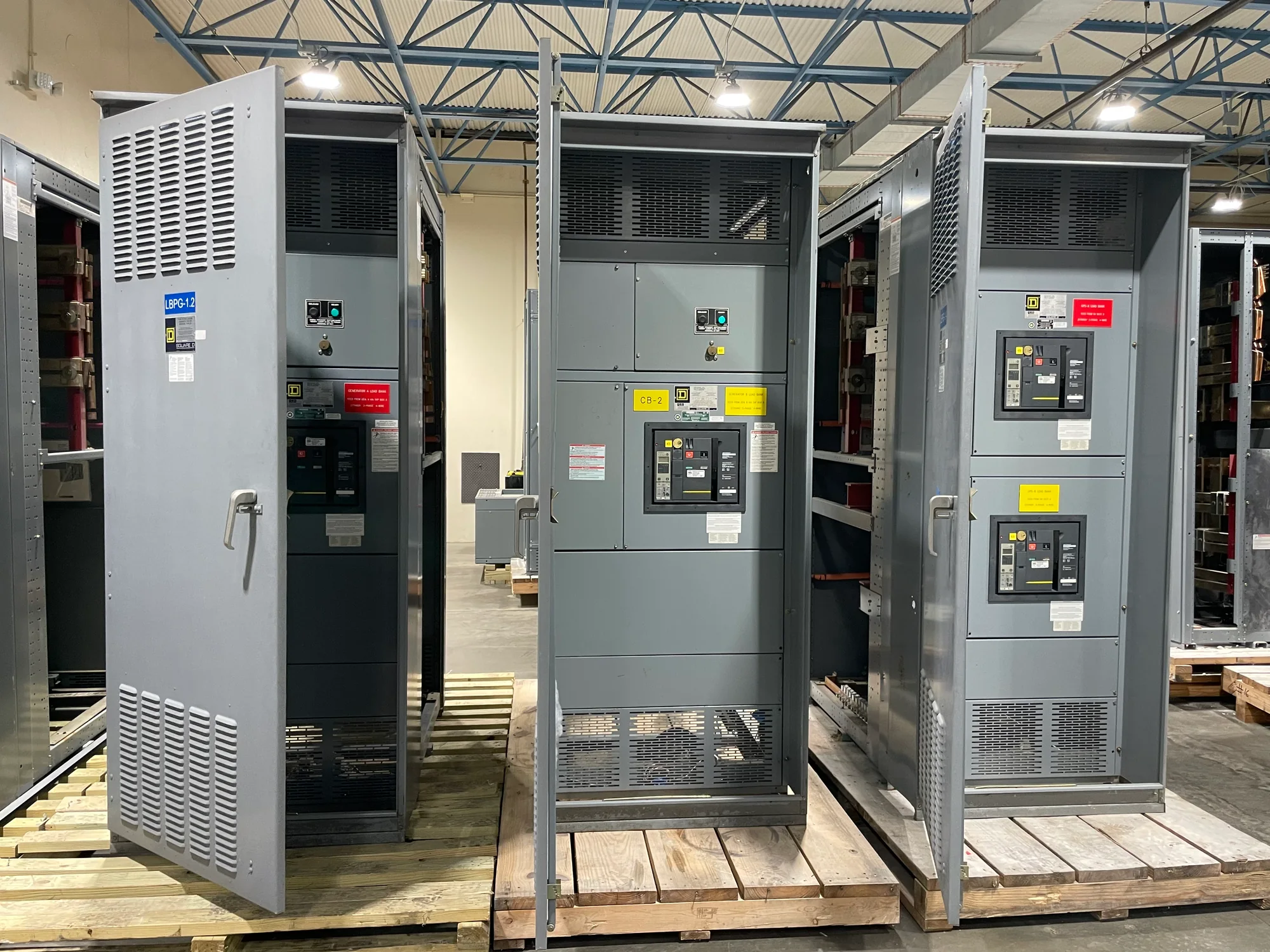
The enclosure protects electrical components and helps shape the equipment’s resistance to site conditions, but the best choice depends on both exposure and construction requirements. Painted steel is often considered for indoor installations where the environment is controlled and a durable finish can be maintained. Stainless steel or other corrosion-resistant approaches may merit evaluation where moisture, washdown or corrosive contaminants are present. Outdoor exposure adds concerns such as precipitation, solar heating, windblown dust and temperature swings. The enclosure design must also account for openings, doors, seams, cable entry points, ventilation and access needs; material selection cannot compensate for unsuitable construction or installation. Corrosion protection, surface finish, grounding and bonding provisions, and compatibility with adjacent materials should be reviewed together. Describe the actual environment rather than relying on labels such as “industrial” or “coastal.” Provide cleaning chemicals, exposure details and maintenance expectations so the builder can assess suitable material and finish options without assuming a particular enclosure rating.

Evaluate insulation for heat, voltage and aging
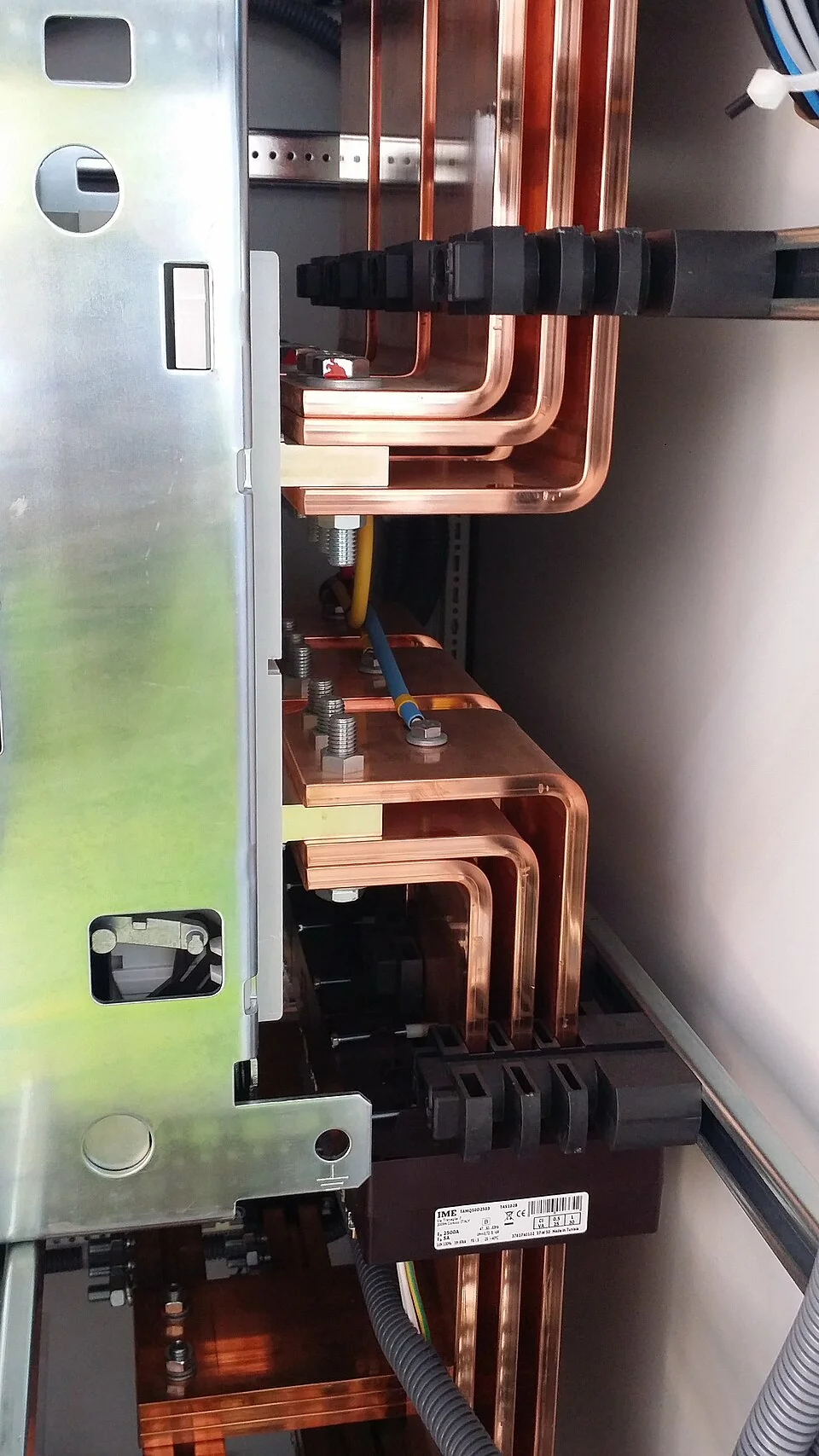
Insulation materials separate energized conductors and support safe electrical clearances, while their behavior can change with heat, moisture, contamination and time. Selection should account for operating voltage, transient conditions, temperature rise, mechanical stresses and the layout of the assembly. Rigid insulating supports, barriers, sleeving and other components may serve different functions, so a single material choice does not address every insulation requirement. Heat can accelerate aging, while dust or condensation may contribute to surface tracking or reduced insulation resistance. In higher-altitude installations, reduced air density can affect clearance considerations; qualified professionals should evaluate the applicable design requirements. Ask which insulation components are used in critical locations, how the design manages clearances, and what inspection or cleaning practices are appropriate. Avoid judging suitability from a material name alone: grade, thickness, geometry, processing and the surrounding environment all matter. Requirements should be confirmed against applicable standards for the specific equipment, not inferred from another assembly type.
Provide a material brief for design review
A concise material brief helps align engineering, procurement, installation and long-term maintenance. Include the one-line diagram or system description, operating voltage and current, available fault information, duty expectations, ambient conditions, indoor or outdoor location, altitude, contaminants, cleaning practices and physical constraints. Identify required conductor material, enclosure finish or insulation properties only where they are project requirements; otherwise, state preferences and invite comparison of acceptable alternatives. Flag interfaces with cables, terminals, foundations, adjacent equipment and grounding systems. Ask for any material-related impact on dimensions, weight, heat dissipation, connection practices, inspection access or maintenance procedures. For schedule-sensitive work, raise constraints early so options can be reviewed as part of project planning; timing remains subject to engineering review and confirmed scope. Before release, have qualified professionals verify ratings, protection, clearances and applicable codes and standards for the equipment. This coordinated review turns material selection into a documented design decision rather than an isolated purchasing specification.