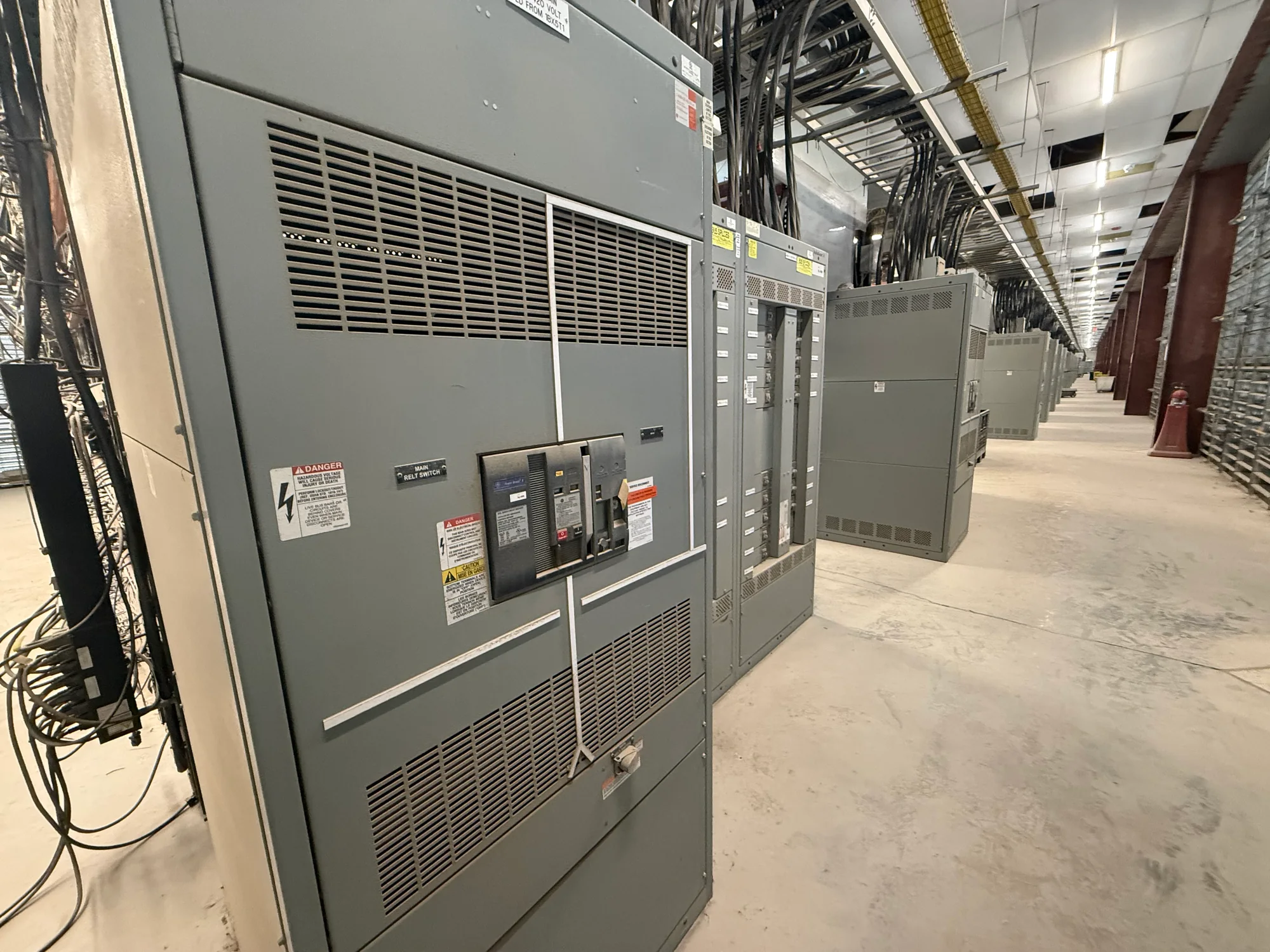
Start with the electrical interface
Busbar plating is not a cosmetic selection. The finish at a connection affects how mating surfaces make contact, resist surface deterioration and support the intended service conditions. Begin by identifying which busbar faces require a conductive finish, what material they meet, and whether the interface is bolted, clamped or otherwise assembled. A finish suitable for one connection may not be appropriate for a different metal pairing or contact geometry. Also distinguish contact areas from portions that are insulated, exposed or joined by another method; specifying plating indiscriminately can add cost without improving the interface. Provide drawings that identify plated zones, dimensions and any masked areas. If the design is still evolving, share the likely joint construction and operating environment so the finish can be reviewed alongside conductor material, current, temperature and mechanical requirements. Qualified professionals must determine applicable ratings, protection and codes for each project.
Compare tin and silver in context
Tin and silver are common finishes to evaluate for conductive contact surfaces, but neither should be chosen from a generic ranking. Tin is often considered for practical contact protection and compatibility with many busbar applications; its suitability depends on the mating material, joint design, environment and specified performance. Silver offers high electrical conductivity and may be considered where contact behavior and operating conditions warrant it, while material cost, exposure conditions and maintenance expectations also matter. The actual result depends on the complete interface, including contact pressure, surface preparation, flatness, fasteners and assembly controls. A silver finish does not by itself guarantee lower resistance in a poorly designed joint, and a tin finish does not establish a particular current rating. State the basis for your preference, if one exists, and request review of alternatives against the equipment requirements. Confirm finish thickness, coverage and acceptance criteria in the project documents rather than assuming a standard value.
| System | Voltage, phase, current and available fault current |
|---|---|
| Configuration | Lineup, protection, controls and enclosure as specified |
| Compliance | Applicable standards and listing confirmed for the assembly |
| Delivery | California and nationwide; schedule confirmed by quote |
Consider other finishes and environment
Other surface treatments may be relevant depending on the conductor, contact function and exposure. Bare copper can be an option to assess where the joint design and environmental controls support it; it can also require careful attention to oxidation and handling. Nickel or other finishes may be considered for particular material pairings or environmental needs, but their electrical and mechanical behavior must be checked for the intended contact. Do not treat a finish used on an enclosure or non-contact surface as interchangeable with a busbar contact finish. Humidity, contaminants, temperature cycling, installation conditions and storage before assembly can influence how a connection performs over time. Provide expected indoor or outdoor exposure and any unusual atmosphere, washdown or contamination risks. Where a project specification names a finish, identify whether it is mandatory or whether approved alternatives may be reviewed. The equipment design team can then assess the finish as part of the joint and operating requirements, rather than as an isolated material choice.
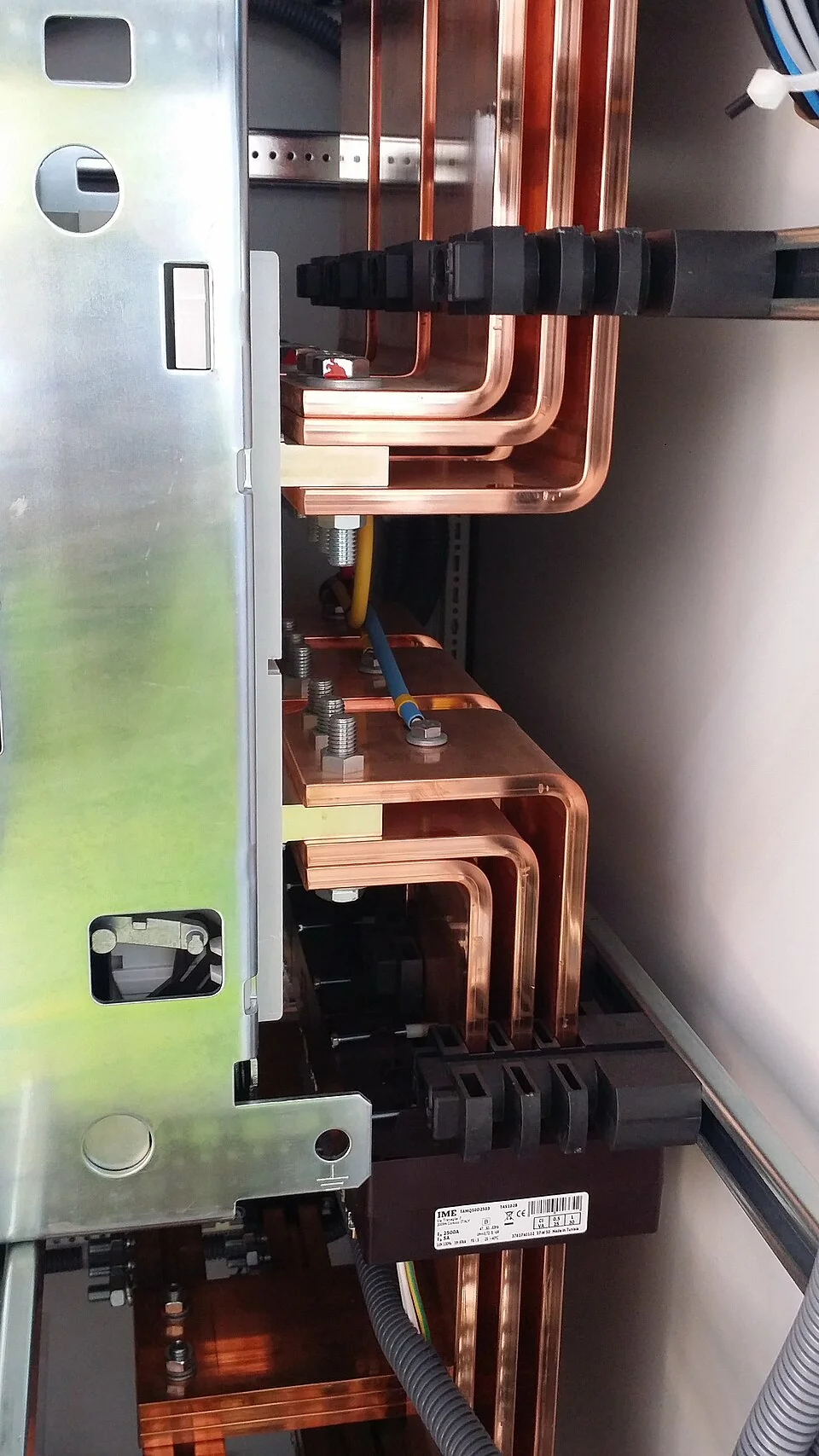

Verify the finishing arrangement early
Finishing arrangements depend on the required material, part size, geometry, coverage and production sequence. Confirm whether the busbar parts can be finished through an available process, whether contact areas need selective coverage, and how edges, holes and formed features will be treated. Large or irregular parts may present different process constraints than flat stock, so provide current drawings and identify critical dimensions and surfaces. It is also useful to clarify whether the finish is applied before or after forming, how finished parts will be protected during handling, and what documentation or inspection records the project requires. Availability should be verified during design and quotation review; a named finish on a preliminary drawing does not establish that a particular process or arrangement is available for every geometry. If schedule is sensitive, raise that early. Any expedited or schedule-sensitive option remains subject to review of scope, materials and production requirements, without assuming a guaranteed completion date.
Send a complete finish specification
For an efficient technical review, submit busbar material and dimensions, equipment application, joint details, mating conductor or terminal material, required finish and coverage, and the relevant environmental conditions. Include drawings with plated zones marked clearly, along with governing project specifications and any required thickness, test method, inspection level or acceptance criteria. Identify whether the specified values are mandatory, preferred or open to engineering review. If a standard or customer requirement applies, name the document and revision; do not rely on a general phrase such as “silver plated” to define thickness, coverage or verification. Ask which finishing arrangements can be confirmed for the particular design and what decisions must be closed before release. For medium- or high-voltage equipment, identify and verify standards applicable to that specific equipment; requirements vary by design and jurisdiction. With these inputs, the manufacturer can review the finish alongside construction and project requirements, clarify open items and document the agreed approach before production.