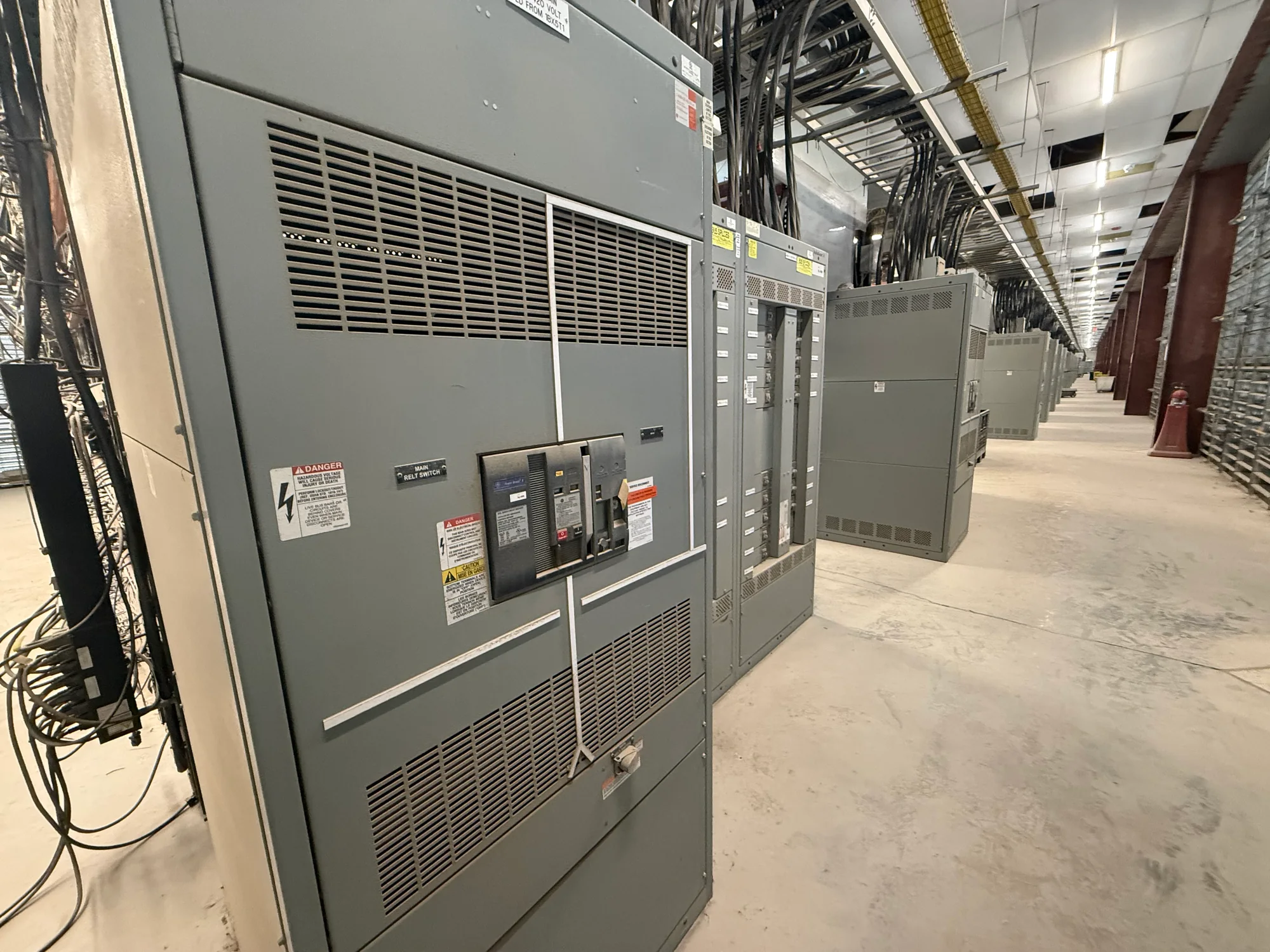
Planning Switchgear Delivery in Long Beach
Long Beach projects can involve active industrial facilities, constrained streets, secured properties and delivery windows coordinated with other trades. Early logistics planning helps connect the equipment schedule to the site’s actual receiving conditions. Share the project address, requested delivery period, receiving hours, site contact and any restrictions on truck size, staging or unloading. If the equipment is going to a port-area or other controlled-access location, identify entry procedures, required advance notice and whether drivers or vehicles need clearance. These details can affect routing and the sequence of delivery planning, but they do not by themselves confirm that a particular shipment or date is available. We review the project and confirm practical arrangements before they are treated as commitments. For schedule-sensitive work, raise the need early so the team can assess feasible options alongside design, build and transportation considerations.
Account for Coastal Exposure
Coastal conditions are relevant when selecting and specifying electrical equipment for Long Beach. Salt-laden air, moisture, temperature variation and the installation environment can influence enclosure materials, finishes, ventilation, corrosion protection and maintenance planning. The right approach depends on where the switchgear will sit: an indoor electrical room with controlled conditions presents different exposure than an outdoor installation or a space near open-air processes. Provide the expected location, ambient conditions, exposure to salt or spray, ventilation arrangement and any known water or condensation risks. The project’s engineers should determine the applicable environmental design inputs and verify that the proposed equipment meets them. Avoid relying on a general description such as “coastal rated” in place of specific requirements. Clear documentation gives the manufacturer a basis to review the intended application and identify questions before design details are finalized.
| System | Voltage, phase, current and available fault current |
|---|---|
| Configuration | Lineup, protection, controls and enclosure as specified |
| Compliance | Applicable standards and listing confirmed for the assembly |
| Delivery | California and nationwide; schedule confirmed by quote |
Coordinate Port-Area Access and Receiving
Port and industrial areas may have layered access controls, traffic constraints and operating rules that are not apparent from a street address alone. Confirm whether delivery is to a terminal, warehouse, contractor yard or customer facility, and identify the party authorized to arrange entry. Useful details include gate hours, check-in procedures, vehicle restrictions, escort requirements, appointment rules, unloading equipment and the location where the truck can safely stop. Also establish who will receive the shipment, inspect it and direct movement to the installation area. Where a site has limited maneuvering space, a loading dock, overhead obstructions or restricted turning access, communicate those conditions in advance. Delivery planning can then account for the route from the receiving point to the final position, including any need for a separate rigging plan. Site personnel and qualified rigging professionals should determine safe handling methods based on the actual equipment and conditions.
Align Equipment Details With the Project
Successful delivery starts with accurate electrical and physical information. Provide the one-line diagram, system voltage, available fault-current information, load requirements, protection objectives and the project specifications relevant to the equipment. Identify the intended installation, incoming and outgoing arrangements, metering needs, control interfaces and any coordination with transformers, generators or other sources. Confirm footprint limits, cable entry direction, access clearances, room dimensions and the route from the unloading point to the electrical room. These are design inputs, not assumptions about a standard configuration or rating. Qualified professionals must determine protection, ratings and applicable codes for the specific project. For medium- or high-voltage equipment, identify and verify the standards applicable to that equipment; requirements differ by equipment type and application. Resolve open questions before release for manufacture whenever possible, since late changes can affect interfaces, documentation and the project schedule.
Confirm Coverage, Schedule and Next Steps
Coverage and logistics are confirmed project by project. Long Beach customers can request new switchgear built in the USA with American components and discuss delivery planning or project coordination for their site. Share the equipment scope, project stage, desired delivery window and current drawings or specifications to begin a review. The team can assess whether the requested destination and receiving conditions can be supported, what information remains outstanding and how delivery should coordinate with construction milestones. Nationwide shipping may be considered, subject to project review and transportation arrangements; no route, date or configuration should be assumed until confirmed. If timing is critical, describe the constraint and any fixed outage, inspection or energization milestones. Possible schedule-sensitive options require review of design readiness, component requirements, production planning and logistics, and are not guaranteed. Before shipment, align the receiving party, access instructions, unloading plan and contact chain so site and transportation teams share the same expectations.