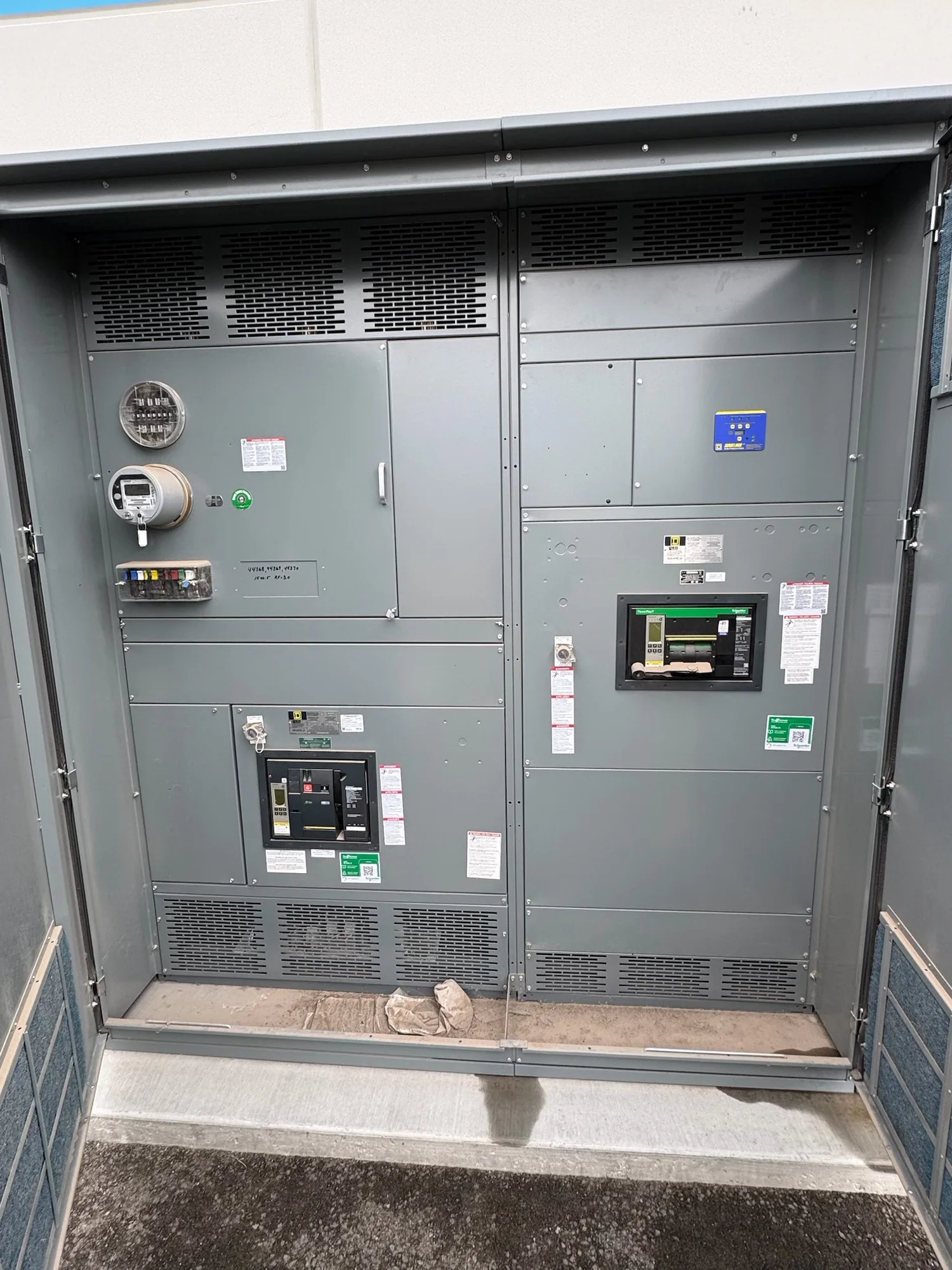
Map the campus distribution system
University distribution networks often serve a varied mix of residence halls, laboratories, classrooms, data facilities, central plants and event spaces. Before specifying new switchgear, map how power moves from the utility or campus substation to each major load, including alternate feeds, normally open points and ties between distribution areas. Record the voltage levels, existing equipment interfaces and the operational importance of each building. This system view helps distinguish a local replacement or addition from work that changes protection zones or affects campus-wide operating procedures. It also reveals constraints that a single-line diagram may not show, such as limited access, congested rooms, underground duct routes or a need to keep adjacent facilities energized during construction. Bring current drawings, load information, known equipment conditions and planned projects into early discussions. Clear system context supports a design that fits the campus rather than treating each lineup as an isolated purchase.
Define feeder sectionalizing and transfer plans
Feeder sectionalizing can help operations isolate a fault or planned work area while limiting disruption to other campus loads. The appropriate arrangement depends on circuit topology, source availability, load criticality and the switching practices campus staff can safely execute. Identify which feeders require independent control, where ties are useful, and whether alternate sources can carry the intended loads under credible operating conditions. Confirm normal and emergency configurations, interlocking needs, metering points, remote indication or control interfaces, and any restrictions on parallel operation. A tie does not by itself guarantee continuity: source capacity, protection coordination, transfer logic and operating procedures all matter. Share these requirements with the project engineer and equipment builder early, particularly when the new assembly must connect to existing feeders or controls. Qualified professionals should determine protection settings, interrupting and withstand requirements, switching procedures and applicable codes for the specific installation.
| System | Voltage, phase, current and available fault current |
|---|---|
| Configuration | Lineup, protection, controls and enclosure as specified |
| Compliance | Applicable standards and listing confirmed for the assembly |
| Delivery | California and nationwide; schedule confirmed by quote |
Coordinate substation and utility interfaces
The substation boundary is a key coordination point for campus distribution. Establish which party is responsible for the incoming connection, available fault-current data, grounding, metering, protection, communications and required operating clearances. Confirm the utility's interface requirements with the serving utility and the campus electrical engineer; assumptions about ownership or standard arrangements can create late design changes. Document transformer characteristics, secondary configuration, bus connections, cable or busway terminations, phase arrangement and any constraints imposed by existing civil work. If campus equipment must communicate with substation relays, supervisory systems or building controls, define signal lists and control responsibilities rather than relying on a general request for integration. For medium- or high-voltage equipment, identify and verify the standards applicable to that specific equipment and project. Treat ratings and interface details as design inputs to be confirmed against project studies and utility criteria, not as universal equipment properties.
Make room for phased campus expansion
Campus loads and building programs change over time, so expansion planning should address both immediate demand and credible future phases. Provide the engineer with present and forecast load data, major motor or electronic loads, expected building additions, and any resilience or electrification plans that affect distribution. Evaluate whether the proposed bus arrangement, spare positions, feeder routes, room clearances and substation capacity can accommodate defined growth without overbuilding today. Reserved space is useful only when it is physically accessible and electrically compatible with the intended future connection; document what is reserved and what must be reassessed before use. Consider construction sequencing, outage windows tied to academic calendars, temporary feeds and the ability to energize completed phases independently. Schedule-sensitive or expedited options may be reviewed for a project, but timing depends on scope, design readiness, components and coordination. Early disclosure of phasing and schedule constraints helps the team assess practical choices.
Prepare a coordinated equipment scope
A useful request for new campus switchgear starts with the one-line diagram and a concise statement of what the equipment must accomplish. Include system voltage, frequency, phases, bus and feeder requirements, available fault-current information, grounding method, enclosure and installation conditions, cable entry and termination details, control power, metering, protection and communications interfaces. Identify the equipment being connected on each side, relevant study assumptions, project specifications, drawings and any campus standards. State whether the work is new construction, a substation interface, a feeder addition or a phased expansion, and describe outage and access limits. Switchgear Builder California is an American manufacturer and builder of new equipment, built in the USA with American components, supplying customers in California and nationwide. A complete scope enables a focused technical review of fit, interfaces and open questions; qualified project professionals remain responsible for final ratings, protection, code compliance and safe installation.