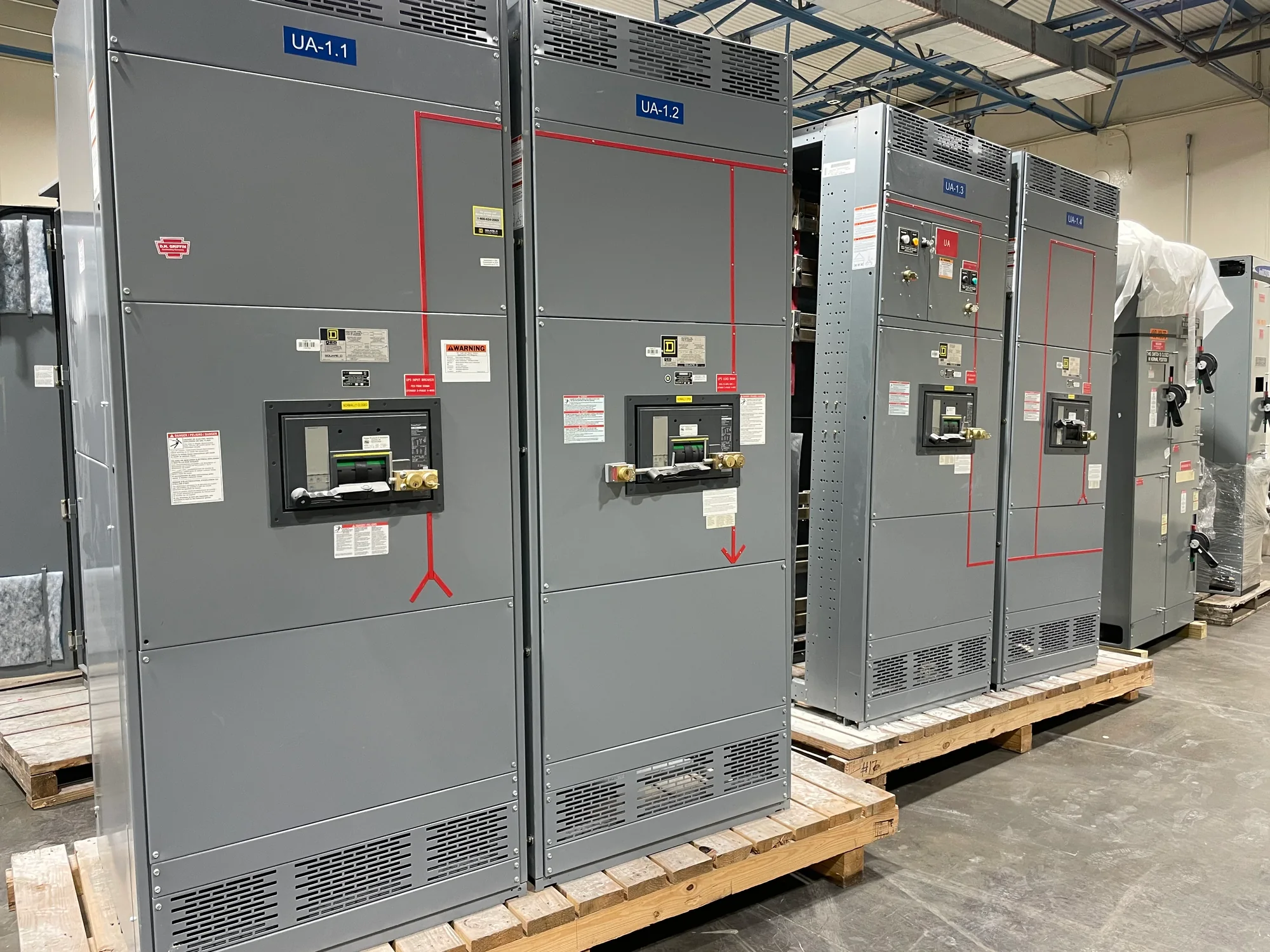
Map Distribution from Campus to Building
A university’s electrical distribution is a network of interconnected decisions, not a collection of isolated panels. Begin by identifying the source feeding each building and the role of each panelboard within that arrangement. Record upstream equipment, voltage and phase, feeder conductors, overcurrent protection, grounding approach, and the areas or systems served. Confirm whether a panel is intended for general branch-circuit distribution or a defined function such as lighting, receptacles, mechanical loads, or laboratory support. These distinctions help engineers organize circuits without obscuring how power reaches critical spaces. Campus standards and building-specific requirements may differ, so document both rather than assuming one schedule fits every facility. A clear one-line diagram, panel schedules, and equipment identification provide a shared reference for facilities staff, designers, and contractors. For a new project, assemble these inputs early and resolve gaps before selecting an arrangement or specifying ratings.
Organize Circuits Around Varied Building Loads
University buildings can combine classrooms, offices, residence halls, libraries, laboratories, food service, and specialized research spaces, each with different operating patterns. Organize branch circuits by function and location so maintenance teams can identify what a breaker serves without relying on informal knowledge. Separate loads where operational control, maintenance access, or continuity needs justify doing so; avoid splitting circuits arbitrarily when it makes schedules harder to use. Identify anticipated equipment loads, including HVAC, pumps, elevators, kitchen equipment, and research instruments, and coordinate their electrical characteristics with the responsible design professionals. Consider demand, diversity, starting behavior, and expected hours of operation in the project load analysis rather than simply totaling nameplate values. The result should support safe, understandable distribution while respecting the design’s protective-device coordination and available fault-current constraints. Qualified professionals must establish applicable ratings and protection for the installation. Well-structured circuit documentation also makes future troubleshooting and renovation less disruptive.
| System | Voltage, phase, current and available fault current |
|---|---|
| Configuration | Lineup, protection, controls and enclosure as specified |
| Compliance | Applicable standards and listing confirmed for the assembly |
| Delivery | California and nationwide; schedule confirmed by quote |
Allow for Growth Without Oversizing by Guesswork
Long-term expansion matters on campuses, where academic programs, room uses, and building systems change over decades. Future capacity should be treated as a documented design requirement, not an assumed percentage added without engineering review. Discuss planned additions with facilities personnel and project stakeholders: new laboratories, expanded computing, electric vehicle charging, building electrification, or changes to teaching space can materially alter demand. Determine whether growth is expected at the panel, feeder, transformer, or upstream distribution level; spare branch positions alone do not establish that the entire path can support added load. Evaluate available space, bus and feeder requirements, enclosure constraints, and the effects on protection and coordination. A practical design can preserve useful flexibility while balancing initial cost, physical footprint, and present-day needs. Record which provisions are installed, which are reserved, and what further study or upstream work would be required before adding loads. That clarity helps prevent spare capacity from being mistaken for verified capacity.
Coordinate Project Conditions and Technical Inputs
Panelboard requirements depend on the installation, so project documents should establish the conditions against which the equipment will be designed and reviewed. Provide system voltage, phase and frequency, available fault current where determined, feeder and protective-device information, mounting arrangement, enclosure environment, and the intended branch-circuit mix. Note space limitations, access clearances, service conditions, building schedules, and interfaces with existing distribution. For renovation work, current field-verified panel schedules and equipment data are especially valuable; drawings may not reflect years of campus modifications. Identify applicable codes and standards for the specific equipment and jurisdiction, and have qualified professionals confirm requirements, ratings, and protection. Coordinate naming conventions and circuit directory expectations with campus facilities practices so new equipment fits the broader maintenance approach. If project timing is constrained, share milestone dates and decision dependencies early. Schedule-sensitive or expedited options may be reviewed for a particular project, but feasibility and timing require project-specific confirmation.
Plan for Maintainability and the Next Project
A useful university distribution design supports daily operation as well as eventual change. Specify legible circuit identification, consistent panel naming, and schedules that match the spaces and equipment actually served. Coordinate panel locations and working access with architectural, mechanical, and facilities teams; a technically suitable panel can still be difficult to maintain if its surroundings are poorly planned. Consider how shutdowns will affect classes, research, housing, or essential building functions, and establish outage coordination through the campus project team. When connecting new equipment to existing infrastructure, verify field conditions and evaluate the effect on upstream devices and system coordination rather than treating the panel in isolation. For new equipment, provide the manufacturer with approved drawings, load information, environmental conditions, and required interfaces, then review submittals against the design documents. Switchgear Builder California builds new equipment in the USA with American components and supplies customers in California and nationwide. Early, complete technical coordination gives the project team a stronger basis for evaluating fit and next steps.