Map feeders, sources and operating scenarios
Medium-voltage switchgear for an oil and gas facility must fit the electrical system’s operating purpose, not just its one-line diagram. Start by documenting incoming utility sources, generators, bus arrangements, transformer connections and the downstream feeders each section serves. Identify normal and alternate operating modes, including whether sources operate independently, transfer, or may run in parallel. These choices affect interrupting requirements, bus protection, interlocking and the coordination of protective devices throughout the system. Provide available fault-current information, system grounding method, nominal voltage, frequency and the anticipated growth or future tie points. Where a source interface includes a generator or another source with different characteristics, review its contribution to fault current and its control and protection scheme with the responsible electrical professionals. A clear sequence of operation helps the switchgear builder understand which devices must trip, remain in service or be isolated during abnormal conditions.
Coordinate motor starting and feeder protection
Large pumps, compressors, fans and other process motors can shape both equipment selection and protection settings. For each motor, share voltage, horsepower or kilowatt rating, full-load current, starting method, starting current and duration, duty cycle, and the driven process’s criticality. Direct-on-line starting, reduced-voltage methods and variable-frequency drives create different demands on the source and can influence voltage dip, relay functions and coordination. Determine whether a motor is fed directly from the medium-voltage lineup or through a transformer and lower-voltage equipment; include bypasses and alternate feeds where applicable. Protection must balance fault clearing with the need to ride through normal starting and process transients. Qualified engineers should develop and verify relay settings using system studies, including short-circuit, coordination and arc-flash analyses as appropriate. Share study assumptions and existing device data early so proposed feeder arrangements can be evaluated against the facility’s operating and safety objectives.
| System | Voltage, phase, current and available fault current |
|---|---|
| Configuration | Lineup, protection, controls and enclosure as specified |
| Compliance | Applicable standards and listing confirmed for the assembly |
| Delivery | California and nationwide; schedule confirmed by quote |
Keep hazardous-area boundaries explicit
Hazardous-area classification is a site and installation consideration that should be established by qualified professionals, not assumed from the industry or process alone. Identify classified locations, the applicable classification method, boundaries, and the relationship of the electrical room or enclosure to nearby process equipment. Show equipment-room locations, cable routes, penetrations, ventilation and any pressurization or environmental controls on project documents. Medium-voltage switchgear is typically arranged as electrical distribution equipment, but its suitability for a particular location depends on the specified construction, installation, and applicable requirements. Do not treat a standard lineup as suitable for installation in a classified area without confirming the design basis. Provide the governing project specifications and applicable codes for review, and coordinate with the owner, engineer and authority having jurisdiction. Clear boundary information helps avoid mismatched assumptions between the switchgear design, room construction, cable interfaces and field installation.
Address corrosion, contaminants and enclosure conditions
Oil and gas sites can expose electrical equipment to salt, humidity, chemical vapors, dust, temperature extremes or washdown, depending on location and process. Describe the actual environment rather than relying on a general site label: note indoor or outdoor placement, ambient temperature range, altitude, condensation risk, airborne contaminants and cleaning practices. Include the enclosure location, room HVAC or pressurization approach, and any project requirements for coatings, materials, ingress protection or corrosion resistance. These are design inputs to review for the specific installation, not assumptions that every lineup has a particular environmental rating. Consider how cable entry, bus connections, space heaters, access clearances and maintenance will work after installation, especially where equipment rooms are constrained or remote. Site conditions may influence construction details and interface planning. Confirm the applicable requirements with the project engineer and builder before design is finalized, and preserve those assumptions in procurement documents and installation instructions.
Prepare a complete basis of design
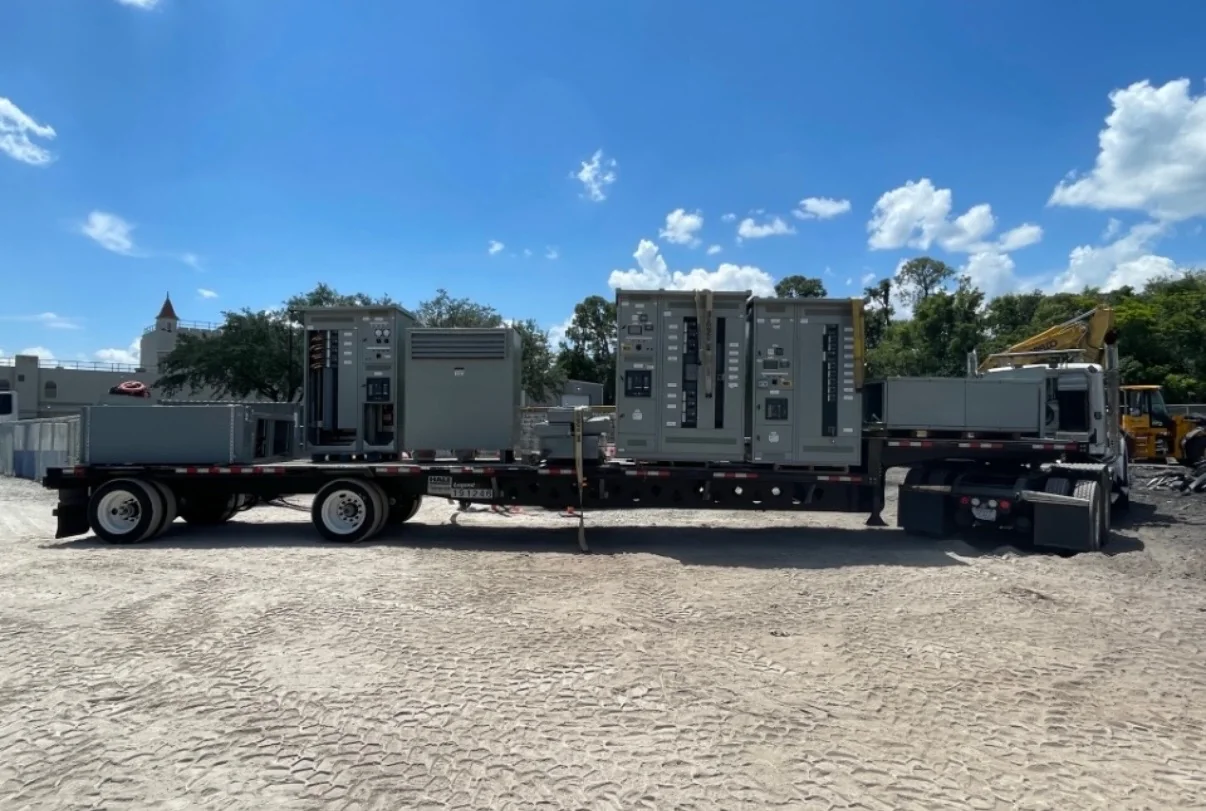
A useful inquiry package includes the one-line diagram, equipment schedule, load list, motor data, source and grounding details, fault-current information, protection philosophy, operating sequences and site environmental requirements. Add room plans, cable-entry preferences, interface drawings, communications needs and project specifications, identifying which items are fixed and which remain open. For medium-voltage equipment, identify the standards and codes applicable to the specific equipment and installation, then have the project team verify them; requirements can vary by voltage class, application and jurisdiction. Include required documentation, testing expectations and owner review milestones without presuming a particular approval or listing. Switchgear Builder California manufactures new equipment in the United States using American components and supplies switchgear to customers in California and nationwide, with shipping and project details subject to review. Early technical coordination can expose conflicts before release and clarify scope, interfaces and schedule-sensitive options, if feasible. Qualified professionals remain responsible for system design, protection, installation and safe operation.