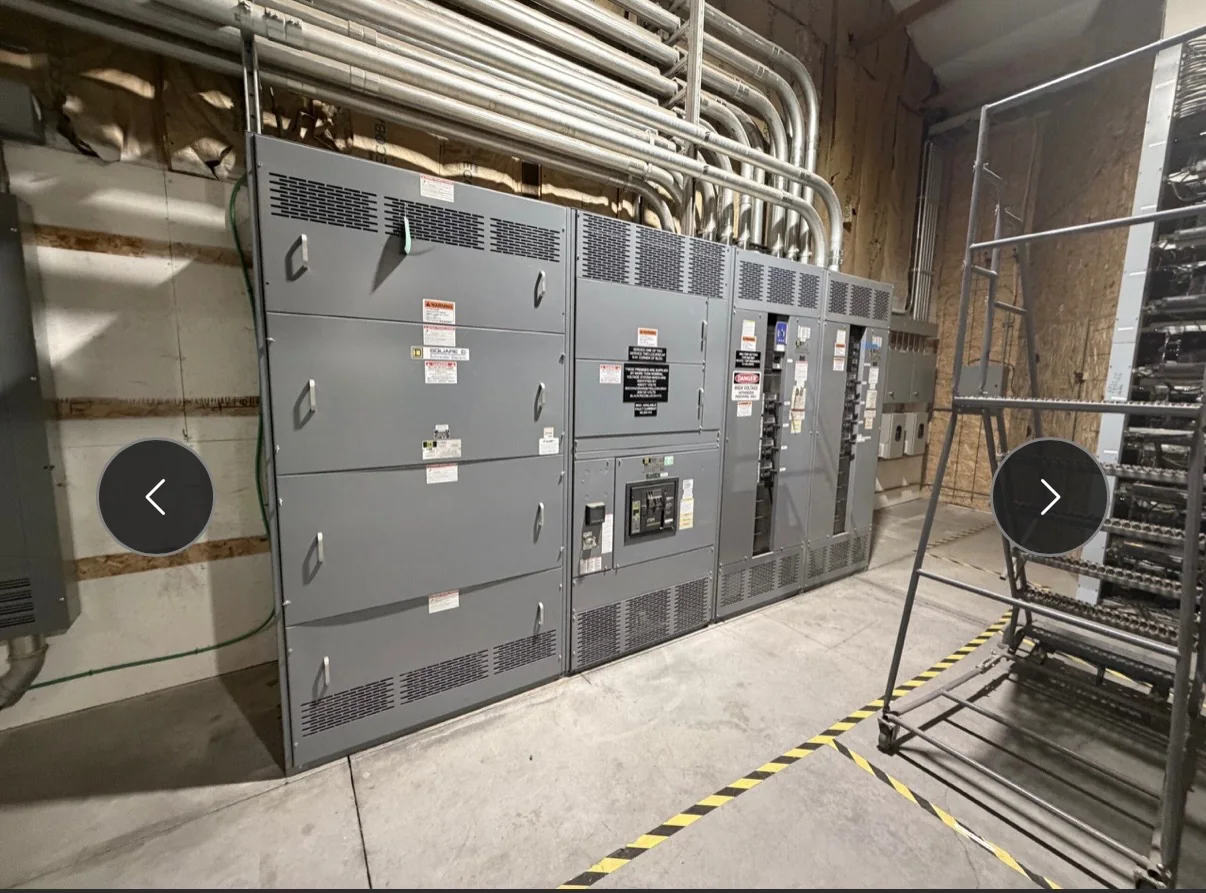
Start with the facility’s power-distribution plan
Oil and gas facilities combine process equipment, utilities, buildings and site infrastructure, so switchgear selection begins with the power system rather than a single equipment label. Define the source arrangement, voltage levels, available fault current, grounding method and intended distribution points. Identify which loads are essential, which can be shed, and how operations should respond to an outage or maintenance condition. These decisions shape bus arrangement, feeder count, protective-device coordination and provisions for future expansion. A process plant, compressor station, tank farm or pipeline installation can have different operating priorities even when the equipment serves similar loads. Provide the one-line diagram, load schedule, utility or generator data, and relevant design criteria for review. Where information remains preliminary, mark assumptions clearly so engineers can distinguish confirmed inputs from items that need calculation or field verification before equipment requirements are finalized.
Coordinate hazardous-area boundaries and equipment placement
Hazardous-area classification is a facility-design input, not a general property of every switchgear room or outdoor location. Obtain the project’s current classification drawings and confirm the applicable class, division or zone designations, boundaries, and governing requirements with qualified electrical and process-safety professionals. The location of switchgear relative to classified areas can affect room siting, enclosures, cable routing, sealing methods and the interfaces with other equipment. Do not treat an enclosure description as a substitute for a documented area assessment. Review access routes, ventilation, doors, penetrations and nearby process equipment as part of the placement decision, since layouts can change during project development. If a room or assembly is proposed within or adjacent to a classified boundary, identify that condition early and verify the specific equipment and installation requirements with the project team. Include applicable standards and code criteria in the inquiry so design review addresses the actual installation context.
| System | Voltage, phase, current and available fault current |
|---|---|
| Configuration | Lineup, protection, controls and enclosure as specified |
| Compliance | Applicable standards and listing confirmed for the assembly |
| Delivery | California and nationwide; schedule confirmed by quote |
Size distribution around motor duty and starting
Large motors can dominate demand and influence voltage drop, starting performance, protection settings and the impact of a start on other loads. Share motor horsepower or kilowatt ratings, voltage, full-load current, starting method, duty cycle, operating sequence and any drive or soft-starter information available. Also identify motors expected to restart automatically after a disturbance and those that are critical to safe process shutdown or continuity. Engineers can then assess feeder requirements, bus loading, protective-device coordination and whether the distribution concept supports the intended operating scenarios. A motor list alone may not capture coincident demand: provide process sequences or operating cases where several compressors, pumps or fans may run together. Confirm fault-current data and upstream protection assumptions as well; they affect equipment design inputs and coordination studies. Final protection settings and ratings must be determined by qualified professionals for the specific system, installation conditions and applicable codes.
Account for corrosion, climate and maintenance access
Oil and gas sites may expose electrical equipment to salt air, chemical vapors, dust, moisture, temperature swings or washdown, but exposure varies substantially by location and process area. Describe the environment at the proposed equipment position rather than relying on a broad site label. Useful inputs include indoor or outdoor placement, ambient temperature range, humidity or condensation concerns, airborne contaminants, elevation, wind-driven rain, and cleaning practices. These conditions can influence enclosure construction, materials, finishes, ventilation approach and maintenance intervals; each choice involves tradeoffs between environmental protection, heat management, access and lifecycle upkeep. Confirm whether the installation is in a controlled electrical room or an exposed field location, and identify available space for working clearances, cable entry and future service. Corrosion-resistant measures should be selected for the actual exposure and verified against project requirements, not assumed from a generic designation. Clear access and maintainability matter because difficult service conditions can prolong planned work.
Prepare a focused equipment inquiry
A useful inquiry brings electrical, process, civil and operations requirements together before procurement documents become fixed. Include the one-line diagram, equipment schedule, load and motor data, site classification drawings, environmental criteria, available fault-current information, grounding details, incoming cable or bus requirements, and any defined expansion plans. State the required equipment type and voltage class, but treat ratings, construction details and applicable standards as requirements to confirm through project review. UL 891 applies to applicable low-voltage switchboards; it should not be used as a blanket requirement for medium- or high-voltage equipment. For medium- or high-voltage assemblies, identify and verify the standards applicable to that specific equipment and installation. Switchgear Builder California manufactures and builds new equipment in the USA with American components, and supplies customers in California and nationwide. Share the project schedule and decision milestones when requesting review; schedule-sensitive options can be considered subject to project scope, engineering review and availability.