Map Critical Loads by Airport Function
An airport is a collection of interdependent operations, not a single electrical load. Terminal functions, life-safety systems, security infrastructure, baggage handling, communications, airfield-related services and concessions can have different continuity requirements and different acceptable transfer behavior. Begin by identifying which loads are served by each normal and standby source, then classify their operational consequences if power is interrupted or restored in the wrong order. That review should involve the airport’s electrical engineer, facilities team, operators and relevant system integrators; a generic “critical” label is not enough to establish transfer priorities. Some loads may need prompt restoration, while others may require a controlled restart to avoid equipment stress, process disruption or unexpected interactions. Document which loads share distribution paths, where isolation is required, and what conditions constitute an acceptable transfer. These decisions establish the operating intent for switchgear and automatic transfer equipment before detailed ratings and configurations are developed.
Define the Normal and Standby Sequence
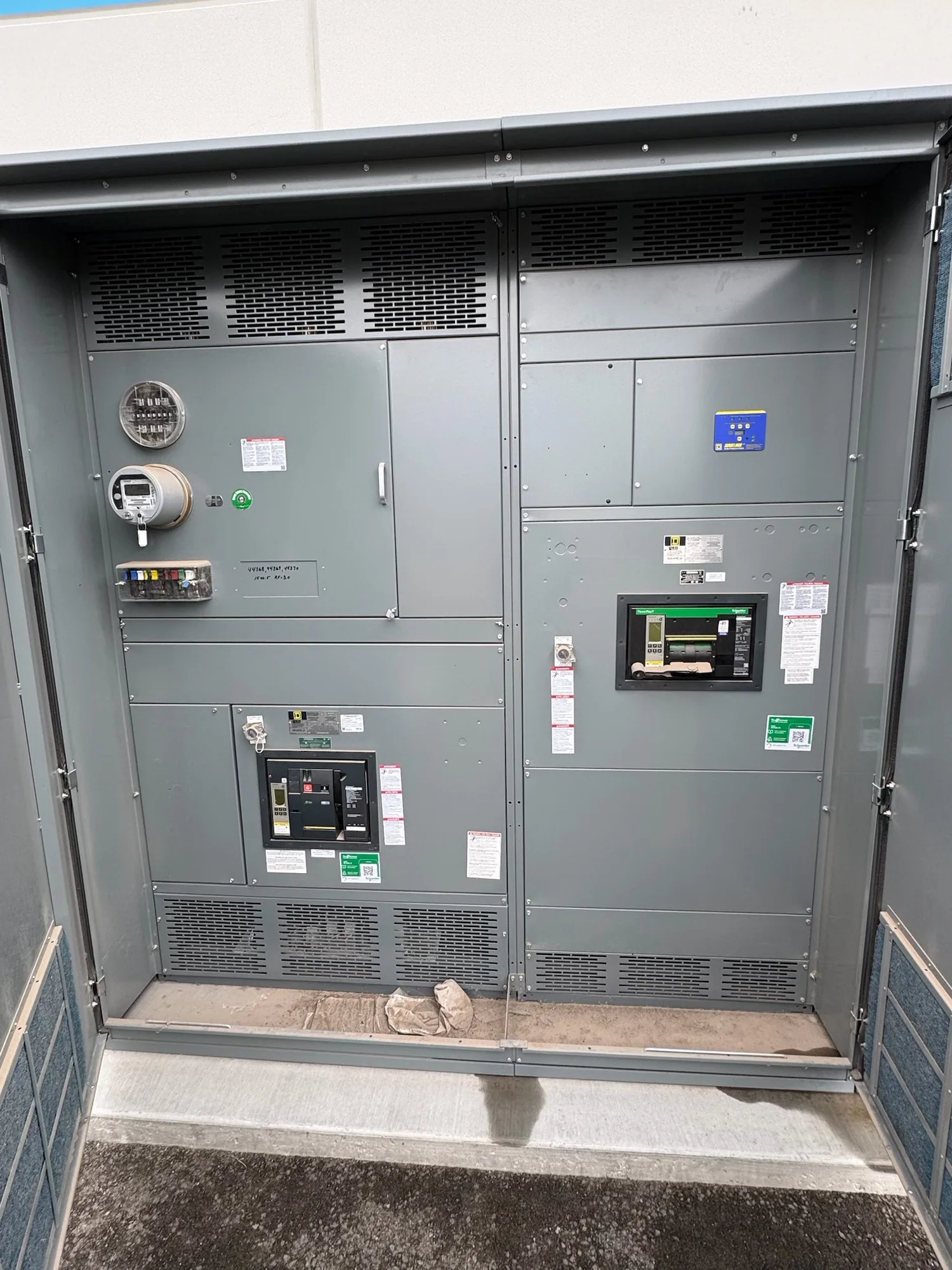
An automatic transfer switch responds to defined source conditions and control logic, so the sequence must reflect how the airport expects the electrical system to behave. Specify the normal-source failure criteria, transfer permissives, standby-source readiness signals, restoration conditions and any required delay between events. Determine whether the application requires open-transition transfer, where the load is disconnected from one source before connection to the other, or whether another transfer approach is appropriate for the sources and loads. Transfer strategy must be evaluated with the utility arrangement, generator controls, protection, grounding and load characteristics; assumptions about paralleling or uninterrupted service should never substitute for engineering review. Also define what happens when a generator is available but not yet stable, when a source returns briefly, or when an ATS or control circuit reports an abnormal condition. A written sequence of operation gives designers, controls specialists and airport operators a common basis for settings, testing and later troubleshooting.
| System | Voltage, phase, current and available fault current |
|---|---|
| Configuration | Lineup, protection, controls and enclosure as specified |
| Compliance | Applicable standards and listing confirmed for the assembly |
| Delivery | California and nationwide; schedule confirmed by quote |
Protect Terminal Continuity and Recovery
Keeping terminal operations functioning through a source event involves more than transferring power. Evaluate how interruption affects passenger processing, security checkpoints, lighting, elevators, baggage systems, communications and building controls, including loads that may restart with high inrush or require a deliberate recovery sequence. Where a brief interruption is acceptable, document its limits and verify that connected equipment can tolerate the transfer. Where interruption creates operational or safety concerns, identify the required continuity objective and the system architecture needed to support it; an ATS alone should not be represented as uninterrupted power. Coordinate transfer timing with generator capacity, load shedding, sequential pickup and any downstream controls that could otherwise trip or delay recovery. Consider how operators will recognize source failure, confirm standby operation and respond if automatic transfer does not complete. These practical details help avoid a design that transfers electrically but leaves terminal systems unavailable, unstable or difficult to restore under real operating conditions.
Coordinate Transportation Interfaces and Access
Airport electrical systems can intersect with rail or people-mover connections, roadway and parking facilities, tenant spaces, airfield-related infrastructure and communications networks. Identify ownership boundaries, shared loads, control interfaces and any required status signals before equipment design is finalized. A transfer event in one area may affect systems elsewhere, so confirm which parties need notification, what alarms must be visible to operations staff, and whether interface behavior is governed by another system’s sequence. Installation and maintenance planning also require attention to access restrictions. Active terminals may impose escort requirements, security screening, work-hour limits, outage windows, delivery routes, staging constraints and restrictions on noisy or disruptive work. Provide these conditions early, along with equipment-room access dimensions and any site-specific handling requirements, so the project team can assess constructability. Schedule-sensitive or expedited approaches may be considered only after project review; access, approvals, coordination and testing requirements can influence the achievable plan.
Prepare Submittal Inputs, Testing and Safe Access
A useful project inquiry includes one-line diagrams, normal and standby source characteristics, available fault-current information, load schedules, existing protection data and the required operating sequence. Identify system voltage, frequency, phase, grounding method, environmental conditions and the ratings that the engineer has established as design requirements; each must be checked against the specific application. Include control power needs, communications or alarm interfaces, enclosure and room constraints, cable-entry preferences, and the standards applicable to the equipment. For medium- or high-voltage equipment, identify and verify the standards that apply to that particular equipment rather than assuming low-voltage switchboard requirements govern. Qualified professionals must determine protection, ratings, code requirements and safe work practices for the project. Before turnover, define factory and site test responsibilities, witness expectations, interlocks to verify, source-failure simulations and acceptance criteria with the airport and its operators. Plan testing around operational access restrictions and approved outage windows, and ensure only qualified personnel perform electrical work.