Map Airport Loads and Continuity Priorities
An airport distribution plan begins with how each load affects safe, orderly operations. Terminal lighting, baggage handling, passenger-processing systems, concessions, offices, and building services may have different consequences during an interruption. Airfield and support facilities introduce additional demands that should be coordinated with the airport’s electrical and operational teams. Identify which loads require uninterrupted service, which can tolerate a planned outage, and which can be shed or restored in stages. These distinctions help engineers determine distribution boundaries, feeder arrangements, protective-device coordination, and provisions for alternate sources. Avoid treating the entire campus as one uniform load: operating schedules, occupancy, expansion plans, and criticality differ across facilities. Share one-line diagrams, load information, fault-current data, and continuity objectives early. Qualified professionals can use this information to establish project-specific ratings and protection requirements, while the equipment builder can evaluate the switchgear design inputs and interface needs.
Coordinate Terminal and Transportation Interfaces
Airport switchgear sits within a wider network of electrical and transportation systems. A terminal project may connect to utility service, standby generation, UPS systems, remote distribution, or controls supplied under separate contracts. Airfield-related work can have distinct operating rules and interfaces, so the responsible design team should define boundaries rather than assume equipment serves every function. Confirm service characteristics, available fault current, grounding method, source-transfer sequence, metering needs, communications points, and ownership of each connection. For phased construction, identify temporary feeds and the sequence for transferring loads from existing equipment to new distribution. Interface schedules and responsibility matrices reduce the risk of gaps between switchgear, cable, control, and building-system scopes. Provide the latest electrical drawings and the applicable project specifications, noting open design decisions. The design team should verify the standards and codes that apply to the specific equipment and installation; requirements vary by equipment type, voltage, and project conditions.
| System | Voltage, phase, current and available fault current |
|---|---|
| Configuration | Lineup, protection, controls and enclosure as specified |
| Compliance | Applicable standards and listing confirmed for the assembly |
| Delivery | California and nationwide; schedule confirmed by quote |
Design Around Restricted Access and Work Windows
Airport security procedures, passenger activity, vehicle routes, and controlled work areas can constrain delivery and installation. Before equipment dimensions are finalized, review the path from receiving point to electrical room, including doors, corridors, elevators, turning clearances, floor capacity, and any limits on lifting or staging. Confirm who will arrange escorts, permits, screening, shutdown approvals, and coordination with airport operations. Restricted access may affect when crews can move equipment or complete terminations, and some projects require work to be sequenced around flight schedules or terminal occupancy. These conditions should be treated as planning inputs, not assumed schedule allowances. A practical project package includes room layouts, access constraints, site rules, installation phases, and the required outage windows. Where timing is especially sensitive, discuss whether schedule-conscious or expedited options can be reviewed; feasibility depends on the design, scope, and current project conditions. Confirm responsibilities and milestones with all parties before committing to a sequence.
Make Maintainability Part of the Distribution Plan
Operational access does not end when installation is complete. Airport electrical rooms may be occupied, shared, or difficult to reach during normal operations, so maintenance clearances, working space, door swing, ventilation, and safe equipment access deserve attention during layout review. Consider how operators will identify feeders, isolate sections, inspect connections, and restore service after planned maintenance. The maintenance strategy can influence compartment arrangement, metering and control interfaces, spare capacity, and the ability to work on one distribution area while others remain energized. Any proposed continuity method must be assessed against the actual system design and site safety procedures; no arrangement should be presumed to permit energized work. Provide equipment-room drawings, environmental conditions, access rules, and the owner’s maintenance expectations for review. Qualified electrical professionals should establish protective settings, arc-flash procedures, and applicable code requirements. Clear labeling and coordinated documentation support informed operation, but they do not replace training, testing, or approved safe-work practices.
Prepare a Clear Scope for New Airport Switchgear
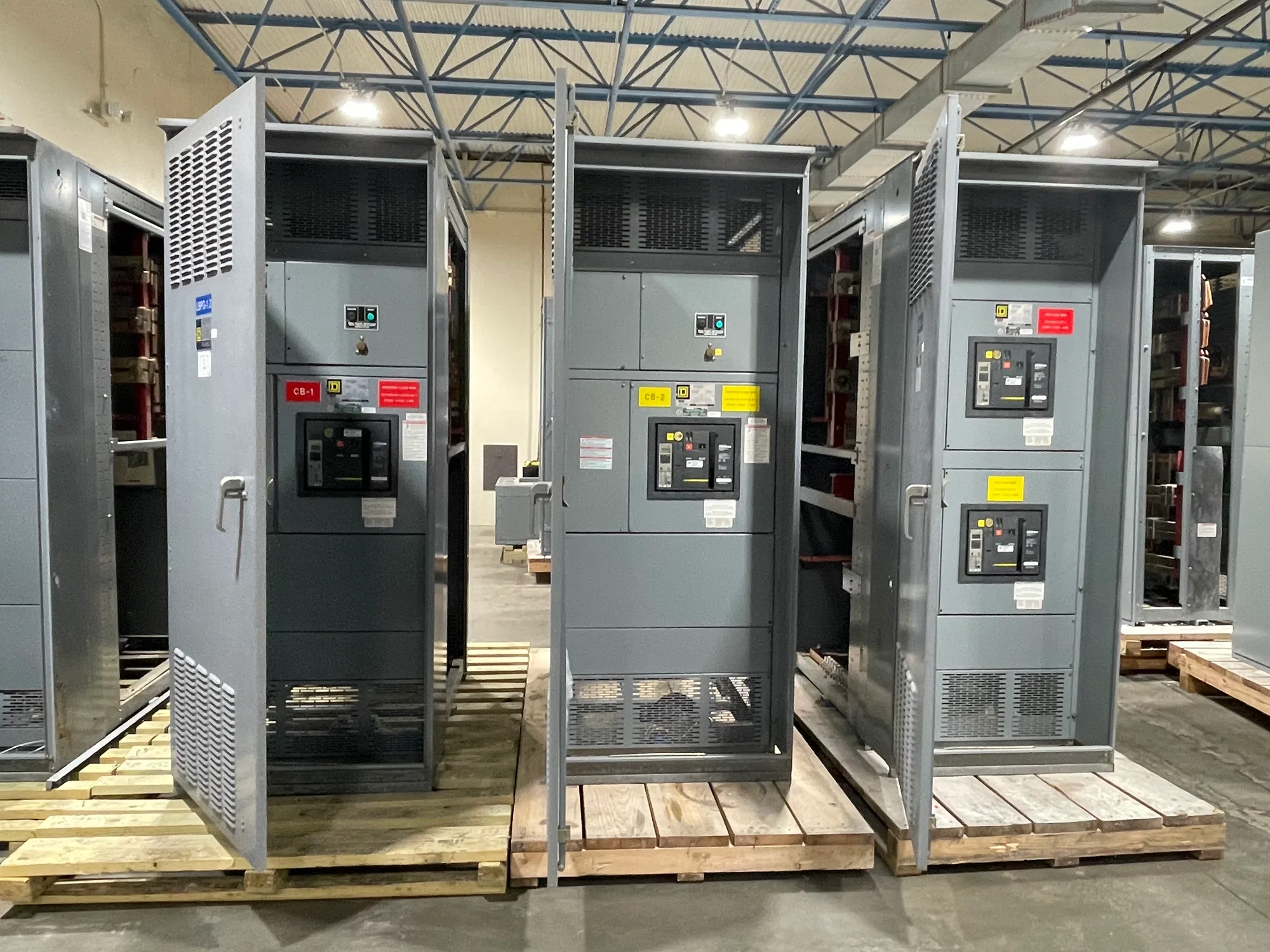
A well-defined request helps the manufacturer assess an airport project without assumptions about ratings or configuration. Include voltage and frequency, system grounding, bus and feeder requirements, available fault current, source arrangement, enclosure and room conditions, drawings, specifications, and the project schedule. Identify which loads are critical, how the equipment interfaces with generators or other sources, and whether the work is new construction, an addition, or a phased replacement. State applicable equipment standards and project-specific requirements for the design team to confirm; UL 891 applies to low-voltage switchboards where applicable, while medium- and high-voltage equipment requires verification of the standards relevant to that specific equipment. A standards reference alone does not establish third-party listing or approval. Switchgear Builder California manufactures and builds new equipment in the United States with American components and supplies customers in California and nationwide, subject to project review. Share constraints and open questions early so design, scope, and delivery planning can be evaluated together.