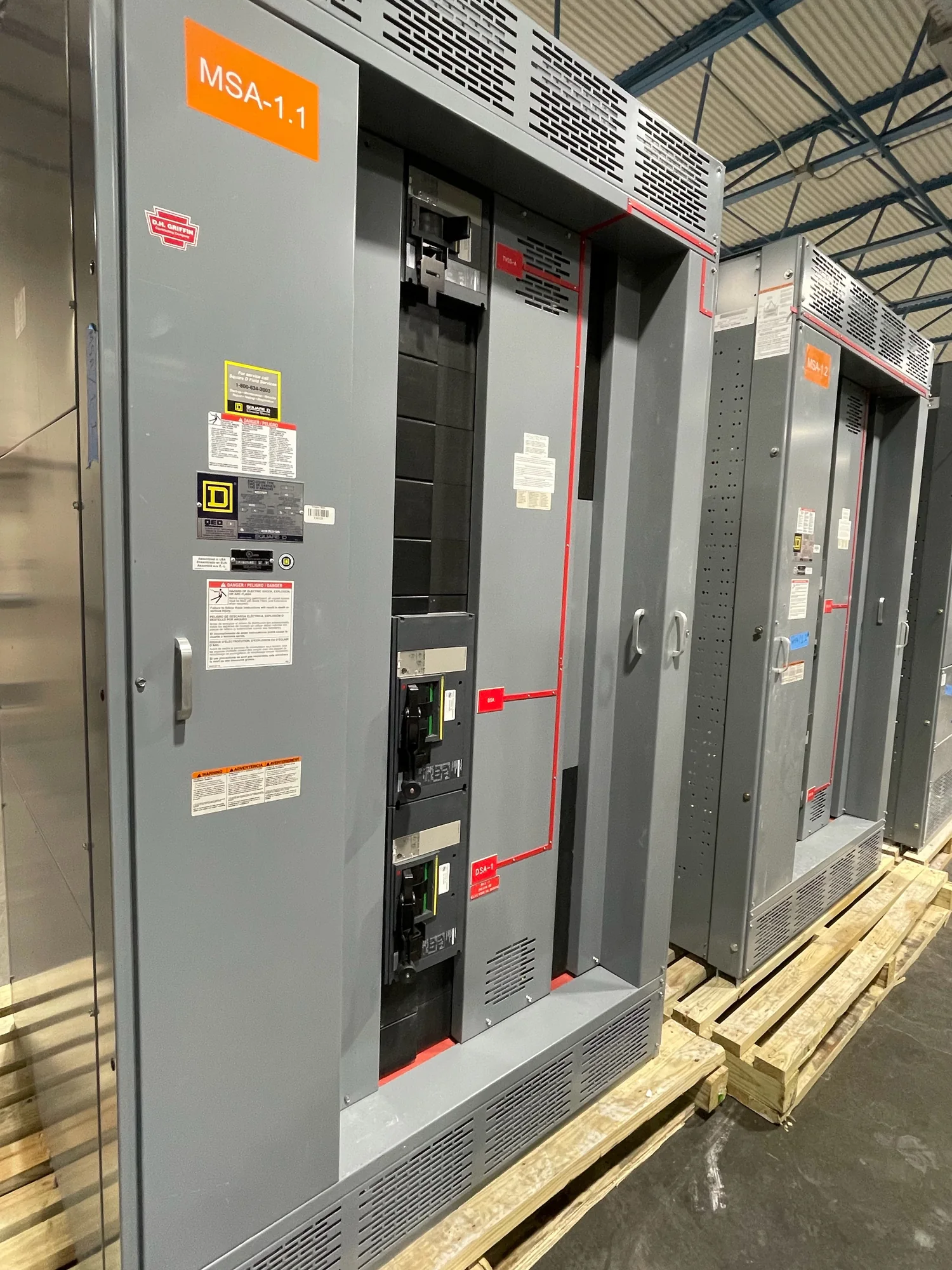
Start with the project and its operating context
An engineering consultation is an opportunity to clarify what a new switchgear assembly must do within the larger electrical system before an order is defined. Start with the project type, facility use, installation stage and the equipment the switchgear will connect to. Explain whether this is a new installation, a replacement for existing equipment, or part of a broader system upgrade. The distinction affects interfaces, available space, shutdown planning and the information needed for review. Share the anticipated operating environment, including indoor or outdoor placement, ambient conditions, access limitations and any known exposure concerns. Identify the people who will review the design, such as the consulting engineer, electrical contractor, owner, utility representative or commissioning team. Their involvement can help surface requirements early and reduce avoidable revisions. The discussion is not a substitute for the project’s engineering authority; it helps establish a useful basis for coordinated design and a subsequent equipment proposal.
Bring system data and drawings for a grounded review
The most useful early conversation is supported by current system documents. If available, provide one-line diagrams, load schedules, equipment schedules, site plans, existing gear nameplates and relevant specifications. Identify the system voltage, phase, frequency, service arrangement and anticipated loads as project design inputs, rather than assuming a standard configuration. Protection and fault-duty information is especially important: share the available short-circuit study, protective-device coordination study and upstream utility data, or note which items remain pending. A qualified electrical professional should determine required interrupting ratings, withstand ratings, protection settings and applicable code obligations for the project. Also describe feeder quantities, conductor entry direction, cable or bus connections, metering, control power and communication interfaces where known. If drawings conflict or are preliminary, point that out. Clear document status lets the team distinguish confirmed requirements from questions that still need an engineer’s decision, and makes technical review more efficient.
| System | Voltage, phase, current and available fault current |
|---|---|
| Configuration | Lineup, protection, controls and enclosure as specified |
| Compliance | Applicable standards and listing confirmed for the assembly |
| Delivery | California and nationwide; schedule confirmed by quote |
Define ratings, configuration and project constraints
A consultation can help organize the tradeoffs that shape an assembly, but each proposed rating and feature must be checked against the complete application. Discuss continuous load, bus arrangement, fault-current conditions, protective-device preferences and future capacity goals. More capacity or a different arrangement can affect footprint, cost, coordination and installation effort; it should not be selected in isolation. Describe the available room dimensions, working clearances, access routes, lifting restrictions and preferred cable-entry paths. These constraints may influence lineup layout and how the equipment is handled at the site. Note any requirements for metering, relaying, controls, communications, interlocking or integration with a building or plant system. Identify environmental, seismic or other project-specific criteria for review rather than assuming they apply uniformly. For medium- or high-voltage equipment, identify the standards and requirements applicable to that specific equipment and verify them with the project’s responsible professionals. Record assumptions so they can be resolved before final design.
Clarify scope, standards and responsibility
Before moving toward an order, establish what equipment is in scope and which interfaces belong to others. Confirm whether the project needs a complete lineup, a defined section, associated controls or coordination with adjacent equipment, and identify any owner-furnished components. Discuss the drawings, submittals and technical documents needed for review, along with who will approve them and how revisions will be handled. State applicable codes, specifications and standards by name when known, and flag any owner, utility or authority requirements that may affect acceptance. UL 891 applies to applicable low-voltage switchboards; its relevance, as well as any project-specific listing or approval requirement, must be confirmed rather than assumed. For medium- and high-voltage equipment, verify the standards applicable to the particular equipment. A standards reference alone does not establish third-party listing or approval. Qualified professionals remain responsible for determining protection, ratings and code compliance for each project.
Turn the discussion into practical next steps
After reviewing the available information, summarize confirmed inputs, open technical questions, design assumptions and documents still needed. Assign each unresolved item to the appropriate project participant, such as the engineer of record, contractor, owner or utility contact. This creates a clearer path to a defined scope and helps prevent a preliminary conversation from being mistaken for an approved design. Once the requirements are sufficiently developed, the team can use them to clarify the requested new equipment and prepare the next commercial and technical steps. If the schedule is sensitive, share the required dates, site milestones, review windows and installation constraints early. Schedule-sensitive or expedited options may be considered only after project review; timing depends on the confirmed scope and other project factors and should not be presumed. Customers in California and elsewhere nationwide can discuss project requirements with the manufacturer, with shipping arrangements considered for the specific order. Bring the latest documents and a concise list of questions to begin.