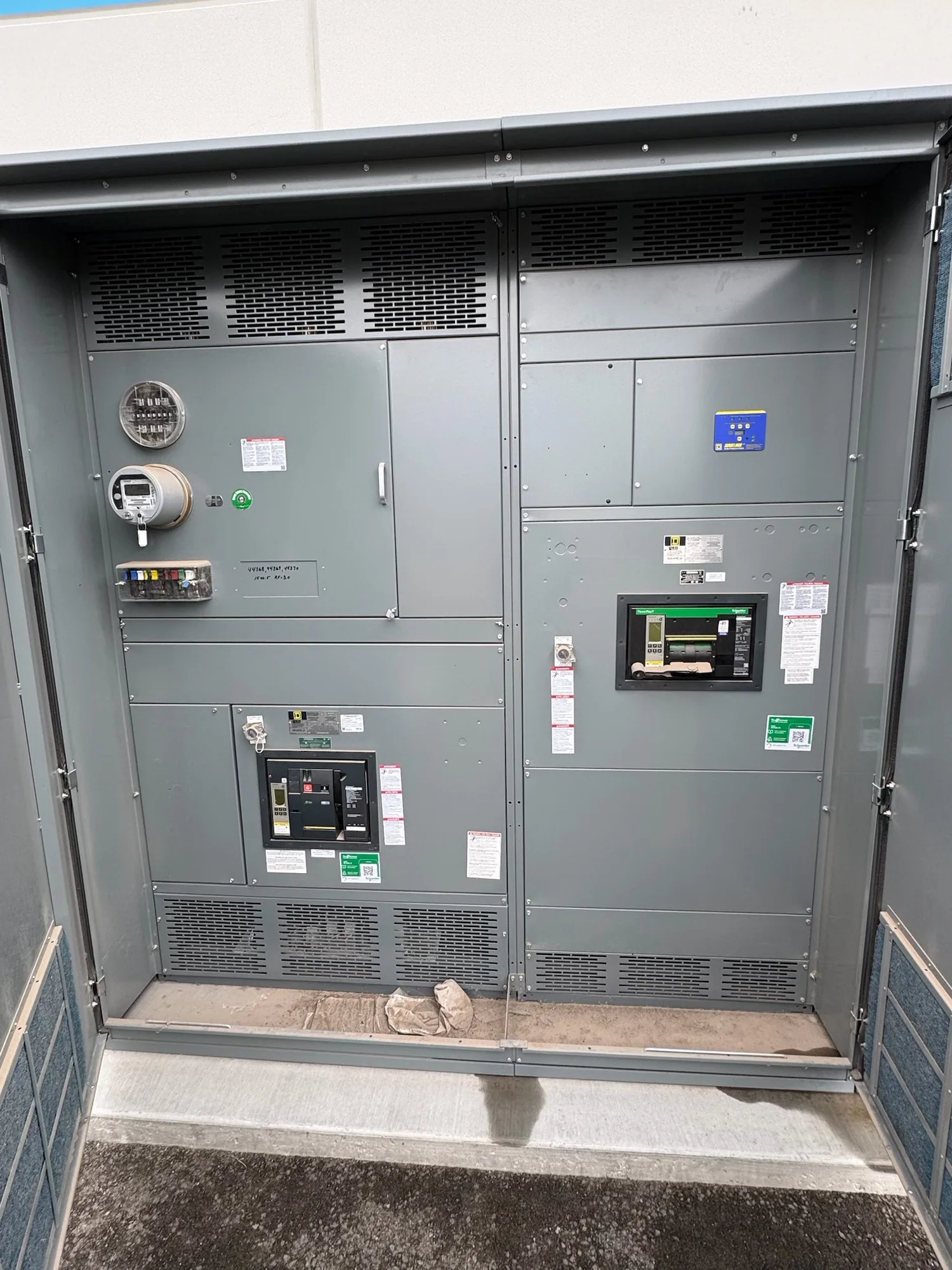
Build the delivery sequence around installation logic
A useful delivery plan begins with the installation sequence, not a calendar date in isolation. Identify when foundations, housekeeping pads, cable routes, access paths and electrical rooms will be ready, then work backward to determine when equipment must arrive. Consider whether the installation team will set, anchor, join, connect and test the lineup in one continuous effort or in separate phases. A delivery that precedes room readiness can consume valuable staging space and expose equipment to construction activity; one that arrives too late may leave crews waiting or compress commissioning. Share the current construction schedule, target energization milestones and any planned outages during early coordination. Treat dates as working assumptions until design, production planning, site preparation and transportation details are reviewed together. Revisit the sequence when milestones shift, and make clear which dates are firm, forecast or dependent on other work.
Confirm site readiness before dispatch
Before equipment is released for delivery, confirm that the destination can receive and protect it. Verify the electrical room or designated staging area is accessible, dry, secure and sufficiently clear for the planned unloading and movement. Check door openings, corridors, turning space, floor conditions, overhead obstructions and the route from the truck to the final position. For equipment that must enter through a restricted opening or move on a particular path, confirm dimensions and handling requirements against approved project information rather than relying on assumptions. Establish who will inspect the space and report readiness, and set a decision point for resolving any deficiencies. If construction is ongoing, define how the equipment will be protected from dust, moisture, impact and nearby trades after arrival. Qualified project personnel should determine site safety controls and handling procedures. Documenting readiness and exceptions helps avoid preventable delays and protects the installation plan.
| System | Voltage, phase, current and available fault current |
|---|---|
| Configuration | Lineup, protection, controls and enclosure as specified |
| Compliance | Applicable standards and listing confirmed for the assembly |
| Delivery | California and nationwide; schedule confirmed by quote |
Match receiving capacity to shipment scope
Receiving capacity is both a physical and operational constraint. Determine whether the site can accept the full equipment shipment at once or needs staged arrivals, and whether it has suitable unloading equipment, trained personnel and space to keep components organized. Clarify truck access, delivery-hour restrictions, check-in procedures, staging limits and any permits or escorts required for the route. If separate sections or associated components arrive in multiple shipments, agree on labeling, shipment identification and a receiving log that lets the contractor reconcile each arrival with the equipment schedule. Assign responsibility for inspection at receipt, including recording visible damage or discrepancies and promptly escalating concerns through the appropriate project contacts. Where onsite storage is limited, discuss whether a different delivery sequence or an alternate approved staging arrangement is practical. Any change should account for handling, storage conditions and the effect on installation labor, rather than simply shifting the burden to the receiving crew.
Coordinate dates, responsibilities and changes
A reliable sequence depends on clear ownership of decisions. Identify the contacts responsible for equipment coordination, site readiness, carrier scheduling, unloading and installation, and define how each will communicate status. Use one shared schedule that links equipment milestones with site activities, such as room completion, crane or rigging availability, setting, interconnection and testing. Record assumptions alongside dates—for example, access confirmation or completion of adjacent construction—so a change in one activity prompts review of dependent tasks. Establish how much notice is needed to revise a requested delivery window and who can approve a change. Schedule-sensitive or expedited options may be considered when project conditions warrant them, but require project review and are not guaranteed. If a delay occurs, assess its effect on storage, crew availability, transportation and downstream work before selecting a new date. Prompt updates help all parties adjust plans without creating conflicting instructions.
Use delivery as a controlled project handoff
Arrival is a handoff between manufacturing, transportation, receiving and installation—not the end of coordination. Prepare a concise delivery packet with the agreed shipment sequence, equipment identification, receiving contacts, access instructions, inspection responsibilities and the latest milestone schedule. Confirm that installers know which sections or components are arriving, where they belong and whether work will proceed immediately or after interim storage. After receipt, record actual arrival, condition, staging location and any open issues; share the information with the people responsible for setting and connecting the equipment. Keep the approved drawings and applicable project requirements available to the installation team, while qualified professionals determine safe handling, protection, connections and required checks. A short post-delivery review can capture discrepancies, schedule effects and actions needed before the next shipment or installation phase. This disciplined closeout makes the next milestone easier to manage and provides a clear record of what was received and what remains.