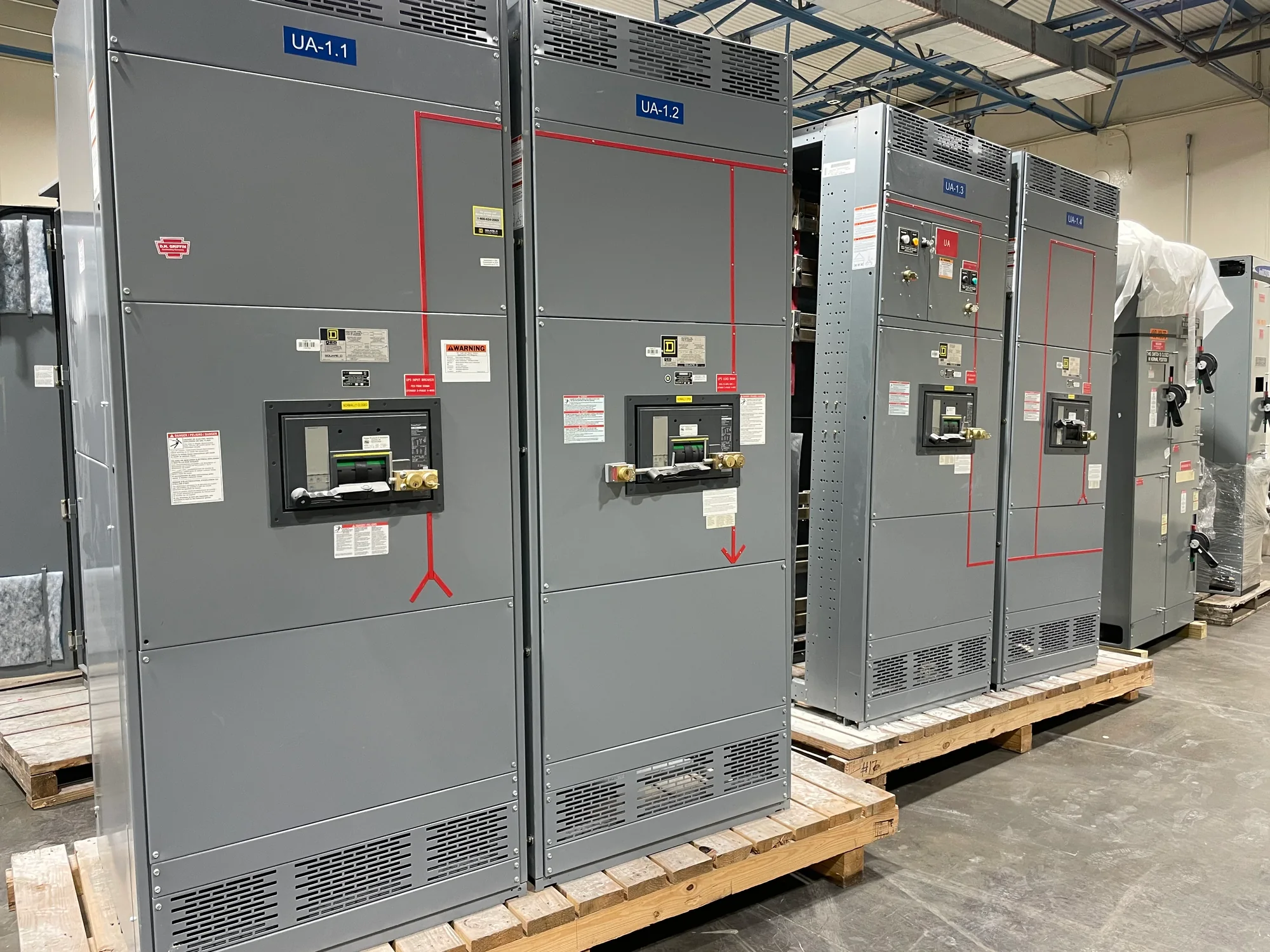
Start with the equipment-ready date
An urgent delivery plan should begin with the date the equipment can actually be released, not the date a carrier is asked to collect it. Manufacturing, inspection, documentation, packing, and any project-specific approvals all affect readiness. Confirm which milestones are complete, what remains, and whether the requested delivery date is tied to energization, installation, or another critical activity. This creates a useful distinction between production urgency and transit urgency: paying for faster transportation cannot recover time needed for engineering or assembly. Share the required arrival date, destination, receiving hours, and any fixed site milestones with the manufacturer early. The team can then assess whether schedule-sensitive freight is worth evaluating and identify information that could affect the plan. Expedited service remains subject to project review, equipment readiness, carrier capacity, route conditions, and receiving arrangements; no carrier option should be treated as a guaranteed arrival time.
Compare carrier and routing options
The best carrier choice depends on shipment dimensions, weight, handling sensitivity, route, and delivery constraints—not speed alone. Depending on the shipment and available service, options may include dedicated or expedited ground transportation, specialized heavy-haul equipment, or coordinated multimodal routing. Each has tradeoffs. A dedicated vehicle can reduce transfers and make timing more controllable, but may cost more and still faces traffic, weather, permit, and driver-hour constraints. A route involving terminals or mode changes may be less direct and introduce additional handling. For oversized loads, route surveys, permits, escort requirements, and site access can shape both the schedule and the feasible vehicle. Provide accurate packed dimensions and weight, pickup and delivery addresses, access limitations, and unloading expectations so the carrier can evaluate the move. Ask what service is actually being quoted, which events are tracked, and how exceptions are communicated. A quoted transit estimate is an operating plan, not a promise that external conditions cannot change.
| System | Voltage, phase, current and available fault current |
|---|---|
| Configuration | Lineup, protection, controls and enclosure as specified |
| Compliance | Applicable standards and listing confirmed for the assembly |
| Delivery | California and nationwide; schedule confirmed by quote |
Match packaging to the transportation plan
Packaging should protect the equipment through the full expected journey, including lifting, restraint, vibration, weather exposure, and any planned transfers. The appropriate approach depends on the assembly’s design, shipping configuration, finish, sensitive components, and carrier handling method. Confirm whether the shipment will travel enclosed or exposed, whether it will be handled at terminals, and how it will be secured to the vehicle. These details help determine whether crating, blocking, bracing, weather protection, or other measures are appropriate. Packaging must also allow safe lifting and placement: identify lift points and handling restrictions, and make sure the carrier and receiving crew understand them before dispatch. Do not assume that a standard pallet or enclosure suits a large or heavy electrical assembly. Coordinate the packaging plan with equipment documentation and site unloading capabilities, including crane or forklift limits where applicable. Clear labels and handling instructions support careful movement, but do not replace qualified rigging practices or a prearranged delivery appointment.
Review insurance and shipment responsibility
Insurance and liability should be clarified before freight is booked, particularly when schedule pressure leads to a less familiar carrier or route. Determine who arranges transportation, what cargo coverage applies, the covered value basis, deductible, exclusions, and when responsibility transfers. A carrier’s stated liability limit may differ from the amount of insurance needed to protect the shipment’s value; ask for applicable terms in writing rather than assuming full replacement coverage. Confirm how claims must be documented and reported, and what evidence is required if packaging appears damaged or the equipment is affected. At delivery, the receiving team should inspect visible packaging, record exceptions on the delivery receipt, and photograph concerns before moving or unpacking the shipment, following the carrier’s and project’s procedures. Coordinate this process with the manufacturer and the party responsible for the freight. Insurance does not prevent delay or damage, so risk planning should also address protective packaging, handling instructions, communication contacts, and a practical response if the shipment arrives with an issue.
Prepare the site and protect the schedule
A fast transit plan only helps when the destination can receive the equipment. Verify delivery windows, gate access, turning radius, overhead restrictions, dock or laydown availability, unloading equipment, and the path from vehicle to installation area. Large switchgear may require a coordinated crane, forklift, rigging crew, or other qualified resources; confirm their capacity against the packed shipment information and the equipment’s handling instructions. Establish who can accept delivery, who can authorize exceptions, and how the driver will reach that person. If the site cannot receive an early arrival, ask whether temporary staging is feasible and who would manage its security, weather protection, handling, and added transportation. Build contingency into the project schedule for carrier updates, access changes, and receiving delays. Send the manufacturer complete destination details and the site contact before freight planning begins, then review the proposed plan with the contractor and receiving team. Qualified professionals should determine safe handling requirements and site procedures; expedited transport does not reduce those responsibilities.