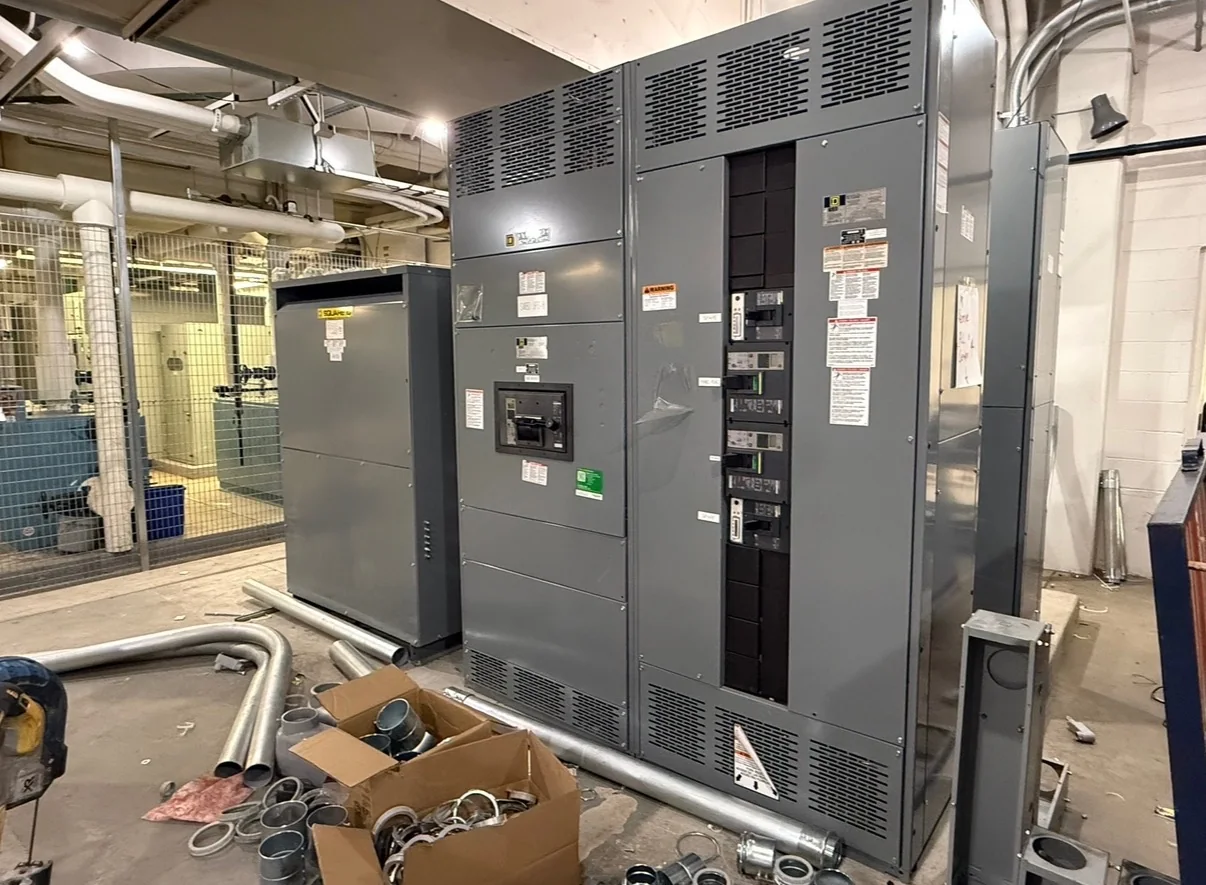
Define What “American-Made” Means for Your Project
“American-made” can describe different things: where an assembly is built, where its components originate, or whether it meets a defined domestic-content threshold. Those meanings are not interchangeable. Before specifying switchgear, identify the contract language, funding conditions, owner policies, or procurement rules that govern the purchase. Note whether they address the complete assembly, individual components, manufacturing steps, or a calculated share of product cost. A general preference for U.S. manufacturing may not call for the same evidence as a clause tied to a particular statute or program. Switchgear Builder California manufactures and builds new switchgear in the USA with American components, but the exact origin claim or threshold must be assessed for the equipment and project at hand. Share the relevant clauses early so the manufacturer, engineer, contractor, and buyer can align on what must be demonstrated before design and procurement decisions become difficult to change.
Trace Assembly and Component Origins
An origin review should distinguish the location where an assembly is built from the origin of the materials and components inside it. A switchgear lineup may involve enclosures, bus, breakers, protective devices, controls, metering, and other parts, each with its own supply-chain records and manufacturing history. Which items count—and how they are counted—depends on the requirement being applied. Build a project-specific evidence plan that identifies relevant components, acceptable records, responsible parties, and the point at which documentation must be delivered. Depending on the procurement rule, useful support may include manufacturer declarations, product data, supplier records, bills of material, or cost information; none is universally sufficient on its own. Ask for documents tied to the actual equipment and the governing clause rather than relying on a broad marketing description. Where a supplier’s records are incomplete or a component changes, flag the issue promptly and determine whether clarification, an alternate part, or a revised claim is appropriate.
| System | Voltage, phase, current and available fault current |
|---|---|
| Configuration | Lineup, protection, controls and enclosure as specified |
| Compliance | Applicable standards and listing confirmed for the assembly |
| Delivery | California and nationwide; schedule confirmed by quote |
Translate Domestic-Content Rules Into Procurement Steps
Domestic-content requirements can depend on the project’s funding source, the buyer’s contract, applicable regulations, and the definitions used in those documents. Some provisions focus on manufacturing location; others may specify component categories, cost calculations, exceptions, or recordkeeping obligations. Do not assume that a requirement used on one job applies unchanged to another, or that a U.S.-built assembly automatically meets a particular threshold. Have the owner or procurement lead identify the controlling provision and confirm how it applies to the switchgear package. Then coordinate that interpretation with engineering and purchasing before the bill of materials is finalized. If substitutions may affect eligibility, establish a review and approval process so schedule pressure does not bypass the required checks. Ask who will make the compliance determination, what supporting records are needed, and whether documents must be retained or submitted at defined milestones. This practical coordination helps separate equipment design decisions from legal or funding interpretations that belong with the responsible project professionals.
Coordinate Sourcing With the Electrical Design
Origin requirements should be reviewed alongside the electrical and physical needs of the installation, not after equipment has been selected. Provide the manufacturer with the one-line diagram, system voltage, available fault current, required continuous and interrupting ratings, bus configuration, enclosure and environmental conditions, metering and protection functions, and applicable interface details. Qualified professionals must determine the ratings, protection, and codes appropriate to each project. Then identify sourcing constraints that may narrow component choices or require additional review. A change in a breaker, relay, or control device can affect more than origin documentation: it may alter coordination studies, communications, dimensions, maintenance access, or submittal approvals. The project team should evaluate these effects together before approving a substitution. For low-voltage switchboards, determine whether UL 891 applies to the specified assembly and project. For medium- or high-voltage equipment, identify and verify the standards applicable to that specific equipment; requirements vary by design and application.
Request Evidence and Confirm Claims Before Purchase
A clear inquiry makes it easier to evaluate American-made switchgear against both technical and sourcing needs. Include the project location, equipment scope, governing domestic-content clause or policy, required documentation, delivery constraints, and any known component restrictions. Ask what origin information can be provided for the proposed configuration and when it will be available. Confirm whether a statement applies to the complete assembly, named components, or a defined calculation; request the basis and supporting records needed by the project’s reviewer. Avoid treating a general statement about U.S. manufacturing as proof of a specific statutory threshold, and do not assume a formal origin certification exists unless it is explicitly documented. Review evidence with the owner’s procurement or compliance contact before final approval. If the scope, funding, or component selection changes, revisit the claim rather than carrying forward an earlier conclusion. California customers and projects nationwide can discuss new equipment requirements with the manufacturer; schedule-sensitive options, if relevant, are subject to project review.