Compare scope before comparing companies
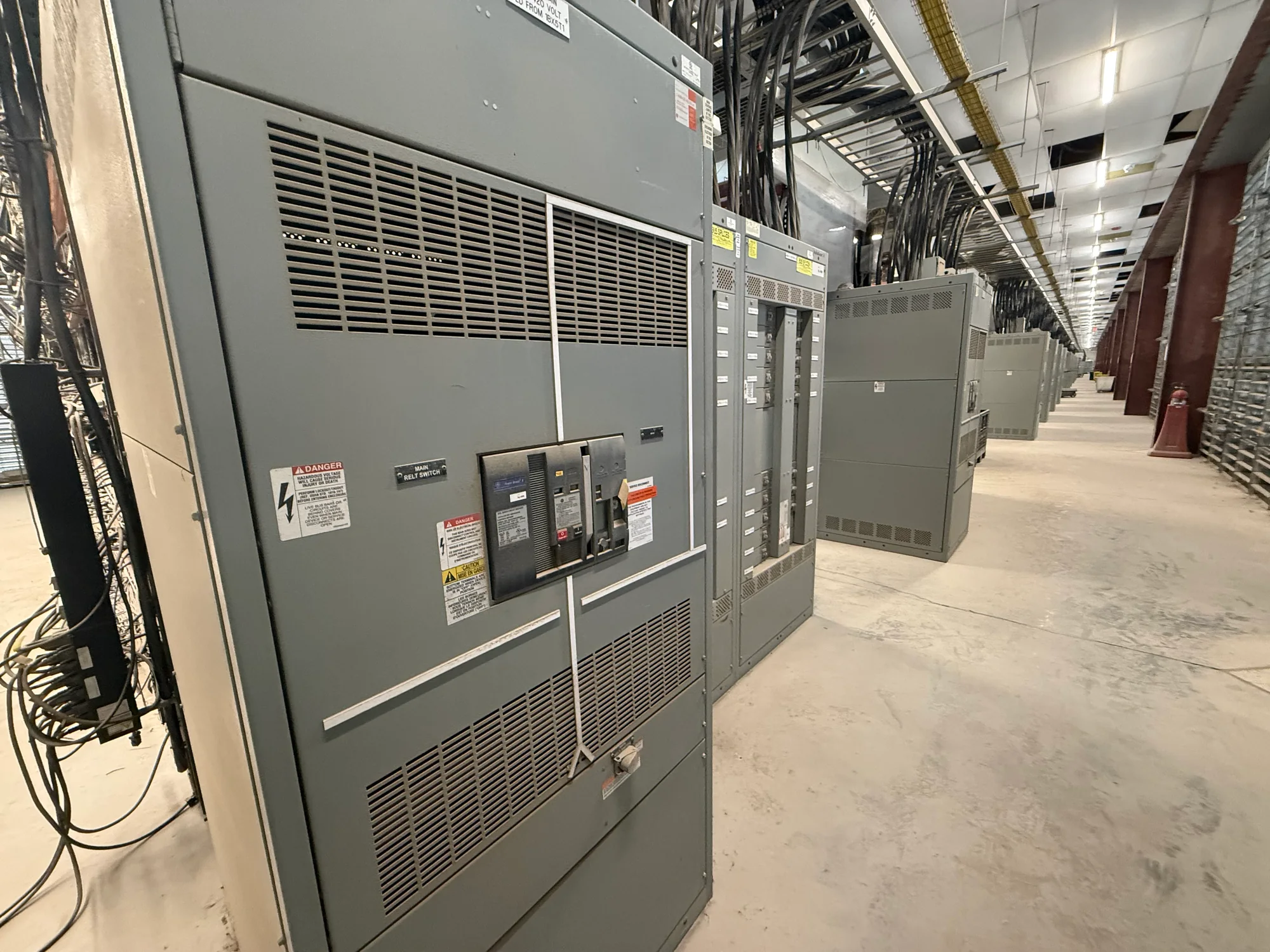
Industrial switchgear projects can differ substantially in voltage class, system arrangement, operating environment, and the division of work among the manufacturer, engineer, contractor, and owner. Begin by describing the equipment you need and asking each company to define its proposed scope in writing. Clarify whether the discussion concerns low-voltage switchboards, medium-voltage switchgear, or another assembly, and identify the functions the equipment must serve. Determine which party is responsible for developing the design, reviewing application data, preparing drawings, supplying components, assembling the equipment, and supporting coordination with the installation team. A company’s ability to supply new equipment should be evaluated against this project-specific scope, not a broad product label. Compare proposals on equivalent assumptions, and identify exclusions or owner-furnished items early. This makes differences visible: one proposal may include engineering review or interface details that another leaves to the project team. Clear scope reduces gaps that can otherwise surface after design release or during installation.
Evaluate engineering around your application
A capable manufacturer conversation starts with the electrical and physical conditions the equipment must address. Share the one-line diagram, system voltage, available fault information, load characteristics, protection approach, operating sequence, and any requirements for future expansion. Include environmental conditions such as indoor or outdoor placement, ambient temperature, altitude, contamination, seismic considerations, and space constraints when they apply. Ask how the company reviews these inputs, resolves incomplete or conflicting information, and records design assumptions for customer review. Ratings, interrupting duties, bus arrangements, enclosure details, and control interfaces are not interchangeable; each must be checked against the specific system and applicable project requirements. Qualified professionals must determine protection, ratings, and code obligations for the installation. The manufacturer’s engineering process should support those decisions with clear documentation and defined review points, rather than substituting generic assurances for project analysis. Confirm who approves drawings and what changes trigger renewed review before equipment is released for manufacture.
| System | Voltage, phase, current and available fault current |
|---|---|
| Configuration | Lineup, protection, controls and enclosure as specified |
| Compliance | Applicable standards and listing confirmed for the assembly |
| Delivery | California and nationwide; schedule confirmed by quote |
Check standards and documentation carefully
Ask prospective suppliers which standards and codes they believe apply to the particular equipment and jurisdiction, and request that the basis be identified in the proposal or technical submittal. UL 891 applies to applicable low-voltage switchboards; it should not be treated as a blanket standard for medium- or high-voltage equipment. For medium- and high-voltage equipment, identify and verify the standards applicable to that specific equipment and project. A statement that equipment is designed with reference to a standard does not, by itself, establish a third-party listing or certification. When a listing or approval is required, clarify the exact requirement, the equipment scope it covers, and the documentation that will demonstrate compliance before selecting a supplier. Review proposed drawings, bills of material where provided, ratings, wiring information, operating instructions, and test documentation against the contract requirements. Also agree how document revisions will be controlled and distributed. These steps help the owner, engineer, and contractor verify the deliverable consistently without relying on vague claims or assumptions.
Assess coordination, manufacturing, and supply
Compare how each company manages the path from approved design to delivery. Ask for the sequence of submittals, customer review responsibilities, design-release conditions, manufacturing updates, inspection or test coordination, and shipping handoff. Discuss how questions are handled when site conditions or project requirements change, including the process for evaluating cost and schedule effects before work proceeds. If timing is critical, provide the required in-service date and identify dependencies such as approved drawings, final load data, site access, and coordinated interface information. Schedule-sensitive or expedited options may be considered only after project review; timing should not be assumed until scope, materials, engineering, and production requirements are understood. For projects shipping to California or other U.S. destinations, confirm the delivery location, unloading arrangements, access limitations, and who coordinates freight and receipt. Nationwide shipping may be available depending on the project, but logistics and availability require confirmation. Compare communication practices and accountability as carefully as quoted dates: dependable coordination depends on named responsibilities, timely decisions, and documented changes.
Make a like-for-like buying decision
A useful comparison matrix can capture equipment scope, engineering responsibilities, assumptions, required ratings, applicable standards, documentation, schedule basis, shipping terms, and open technical questions. Ask each company to identify what is included, what remains by others, and which inputs are still needed to finalize its proposal. Examine whether the proposed arrangement fits the facility’s operating needs, maintenance access, future capacity plans, and connection points to existing systems. If the project involves replacement or modernization, distinguish new equipment supply from any work on the customer’s existing equipment; define the boundary, outage responsibilities, and field interface separately. Switchgear Builder California manufactures and builds new switchgear in the USA with American components, and supplies equipment to customers. For a focused review, provide the one-line diagram, specifications, site conditions, delivery destination, and target schedule, while flagging unresolved requirements. The team can then discuss the project scope and identify what needs confirmation before a purchasing decision. Final selection should follow engineering review and alignment among the owner, engineer, contractor, and supplier.