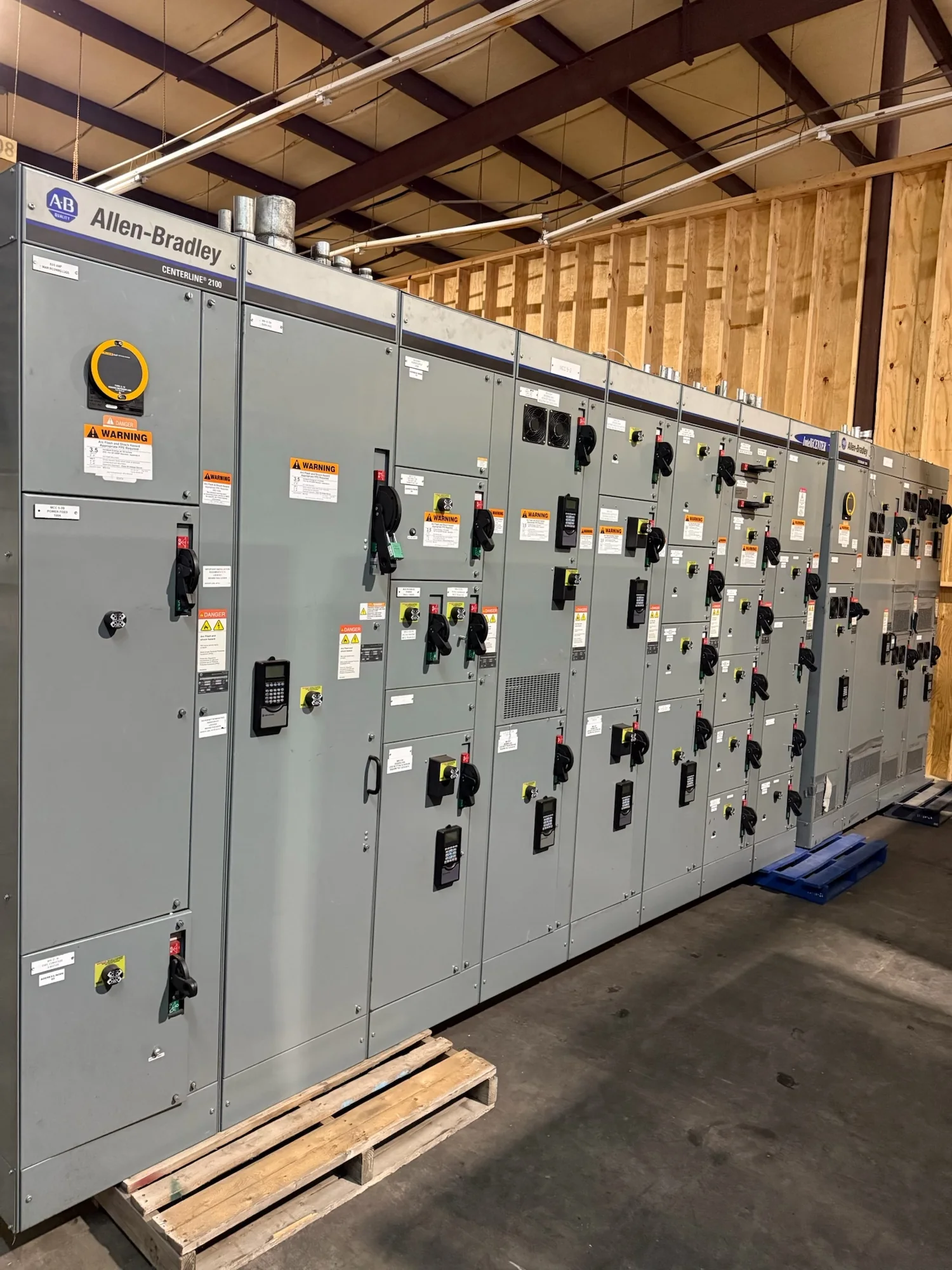
Separate System Voltage from Equipment Class
A 5 kV designation is a useful starting point, but it does not by itself define the complete voltage specification. Nominal system voltage describes the intended operating level of the electrical system; equipment voltage class identifies the range and design basis for which switchgear is specified. Those terms are related, yet they are not interchangeable. A project may use a nominal voltage within a particular equipment class, and the applicable limits depend on the system design and governing requirements. Begin by documenting the nominal line-to-line voltage, grounding arrangement, frequency, and any expected operating conditions that affect insulation coordination. Then state the required equipment class explicitly rather than relying on a shorthand label. This prevents confusion during quotation, drawing review, and procurement, especially where schedules use “5 kV” broadly. Qualified professionals should determine whether the proposed class is suitable for the actual system and applicable codes.
Confirm Rated Voltage for Each Assembly and Device
Do not assume that the switchgear lineup’s overall class automatically establishes the rated voltage of every component. Review the proposed assembly and its devices as a coordinated set, including switching devices, bus, instrument transformers, surge protection, terminations, and other specified components. Each has ratings and application limits that must be appropriate to the system. Ask the manufacturer to identify the rated voltage of the proposed assembly and the relevant devices, and compare those values with project requirements and equipment documentation. Where devices have distinct maximum operating or insulation ratings, clarify how those ratings apply rather than treating the nameplate category as a complete answer. Resolve inconsistencies before approval, including differences between the one-line diagram, equipment schedule, specification, and vendor drawings. A documented rating schedule gives engineering, procurement, and commissioning teams a common reference and helps prevent late substitutions or interface problems.
| System | Voltage, phase, current and available fault current |
|---|---|
| Configuration | Lineup, protection, controls and enclosure as specified |
| Compliance | Applicable standards and listing confirmed for the assembly |
| Delivery | California and nationwide; schedule confirmed by quote |
Specify Insulation for the Actual Application
Insulation requirements depend on more than nominal voltage. The design review should consider the equipment class, expected system conditions, installation environment, and the applicable standards for the specific medium-voltage equipment. State the required insulation levels and identify the terminology or rating basis used by the project documents so that the manufacturer can respond against the same criteria. Consider whether the installation exposes equipment to unusual altitude, contamination, moisture, temperature, or other environmental conditions that may affect insulation performance or clearances. Also coordinate insulation requirements with cable terminations, bus connections, instrument transformers, and surge protection; an otherwise suitable lineup can be undermined by mismatched interfaces or assumptions. Avoid treating a generic “5 kV insulation” note as a complete requirement. Qualified engineers should establish the applicable values and review proposed design information, while the buyer confirms that the submitted ratings address the specified application.
Coordinate Protection, Grounding, and Interfaces
Voltage and insulation ratings are only part of a usable specification. Protection and switching decisions must reflect available fault current, load characteristics, system grounding, operating practices, and coordination with upstream and downstream devices. Provide the one-line diagram, load and fault information, protection requirements, and details of connected equipment early enough for meaningful review. Identify cable entry and exit arrangements, termination preferences, bus connections, metering needs, and control interfaces. These details help expose conflicts that a voltage-class label cannot resolve, such as a device rating that does not match the protection study or a termination arrangement that cannot accommodate the intended cable. Qualified professionals determine protective settings, interrupting requirements, safe operating procedures, and applicable codes for each project. Treat manufacturer submittals as inputs to that engineering review, not as a substitute for project-specific calculations or field verification.
Review Submittals and Close Open Questions
A disciplined submittal review turns a broad 5 kV requirement into verifiable acceptance criteria. Check the drawings and equipment schedules for nominal system voltage, equipment class, assembly rated voltage, device ratings, and stated insulation requirements. Verify that the proposed configuration aligns with the project’s one-line diagram, grounding method, interface requirements, and environmental conditions. For medium-voltage equipment, identify the standards applicable to the specific equipment and confirm them with the manufacturer and project engineer; do not assume that a standard or a voltage label establishes a third-party listing. Record unresolved items as questions with an owner and required response, then track revisions so that approved documents match the equipment being supplied. When requesting a proposal, provide the project specification, drawings, ratings, installation conditions, and schedule constraints. Schedule-sensitive options may be reviewed for the project, but timing and feasibility require confirmation.