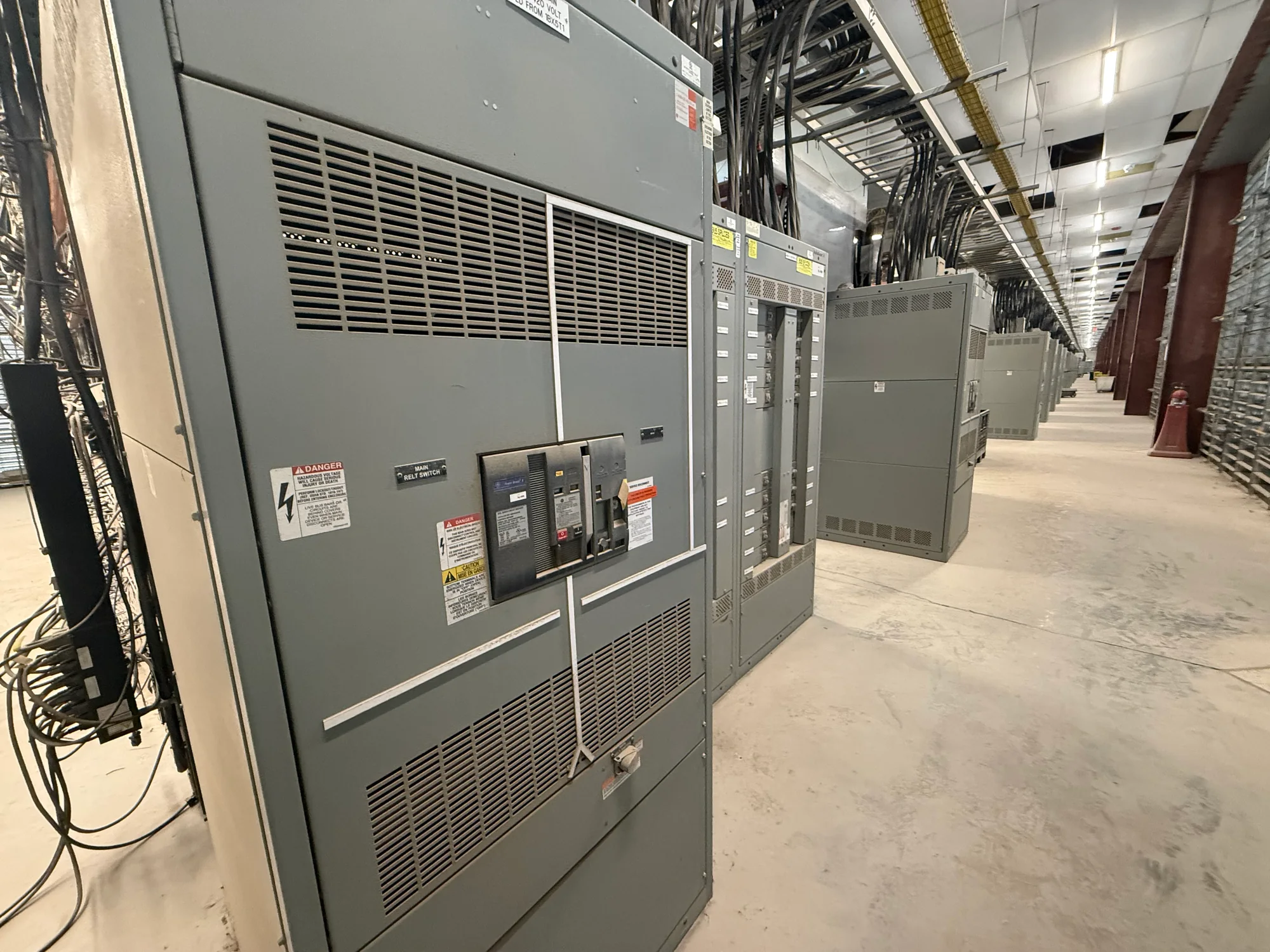
What a Bonding Jumper Does
A bonding jumper is a conductor used to establish electrical continuity between conductive parts that might otherwise be electrically isolated from one another. In an electrical system, that continuity supports the intended bonding path so exposed conductive surfaces can remain connected to the system’s grounding and bonding network. The jumper is not simply a wire added wherever two metal pieces meet: its purpose, connection points and required capacity depend on the equipment arrangement and applicable electrical rules. A bonding jumper also differs from a normal current-carrying circuit conductor. It is generally associated with the bonding path and may carry current under fault conditions, so its design must account for that function. In switchgear, the term may apply to connections among enclosure sections, doors, removable parts or other conductive components. The precise application should be identified from the equipment design and project requirements.
Bonding, Grounding and Fault Paths
Bonding and grounding are related, but they describe different functions. Bonding connects conductive parts to establish electrical continuity and help create a dependable path for fault current. Grounding connects a system or circuit to earth as required by the applicable design and code. A bonding jumper may be part of a larger equipment grounding and bonding arrangement, but it does not by itself define the complete grounding system or replace required grounding conductors, electrodes or connections. During a fault, an effective conductive path can help protective devices respond as intended; the protection scheme, device selection and clearing performance must be evaluated for the installation as a whole. This is why jumper selection cannot be based only on appearance or on a general rule of thumb. Qualified electrical professionals determine the required bonding method, conductor sizing, connection details and applicable code provisions for the specific equipment and installation.
| System | Voltage, phase, current and available fault current |
|---|---|
| Configuration | Lineup, protection, controls and enclosure as specified |
| Compliance | Applicable standards and listing confirmed for the assembly |
| Delivery | California and nationwide; schedule confirmed by quote |
Where Jumpers May Be Used in Switchgear
Switchgear assemblies can include multiple metal sections and components joined by bolted connections, hinges, rails or other mechanical interfaces. Depending on the design, those interfaces may provide the required electrical continuity, or a separate bonding jumper may be needed to maintain it. A jumper can be relevant where painted surfaces, coatings, flexible connections, removable components or mechanical movement affect continuity. For example, a hinged door may need a bonding connection if the equipment design and governing requirements call for one; the hinge alone should not be assumed to provide an adequate path. Between lineup sections, bonding may be achieved through designed structural connections or dedicated conductors, subject to the assembly’s construction and instructions. The applicable solution depends on the equipment configuration, fault-current considerations, environmental conditions and project specifications. Review drawings and manufacturer documentation to understand which parts are bonded and how continuity is maintained.
Design and Installation Details to Verify
A bonding jumper must be suitable for its electrical and physical role. Design review may consider conductor material and size, connection hardware, routing, flexibility, temperature exposure, corrosion risk and the mechanical demands placed on the connection. Contact surfaces and terminations matter: paint, oxidation, contamination or loose hardware can compromise continuity, while an unsuitable route may expose the conductor to abrasion or interfere with equipment operation. Where a component moves or is removable, the connection must accommodate that movement or removal without damage and be restored correctly afterward. Project documents should make the intended bonding points and connection method clear, especially when the assembly will be installed in a particular environment or integrated with other equipment. Applicable standards and code requirements should be identified for the specific equipment. For low-voltage switchboards, UL 891 may be relevant where applicable; its mention does not establish that an assembly is listed or certified.
Questions to Resolve Before Procurement
When specifying switchgear, identify the system voltage, lineup arrangement, enclosure and section interfaces, expected fault-current conditions, environmental exposure and any requirements for doors, removable parts or flexible connections. Provide the one-line diagram, equipment specifications, applicable project standards and relevant installation constraints so the design team can evaluate how continuity is maintained. Ask which components are bonded through structural connections and where dedicated jumpers are used, then confirm connection details in drawings and equipment documentation. If the project involves medium- or high-voltage equipment, identify and verify the standards applicable to that specific equipment rather than assuming a low-voltage switchboard standard governs it. Installation, inspection and testing should follow the approved design and applicable instructions, with work performed by qualified professionals. These checks help align the jumper’s purpose with the overall protective scheme and reduce ambiguity between equipment design, field installation and commissioning.