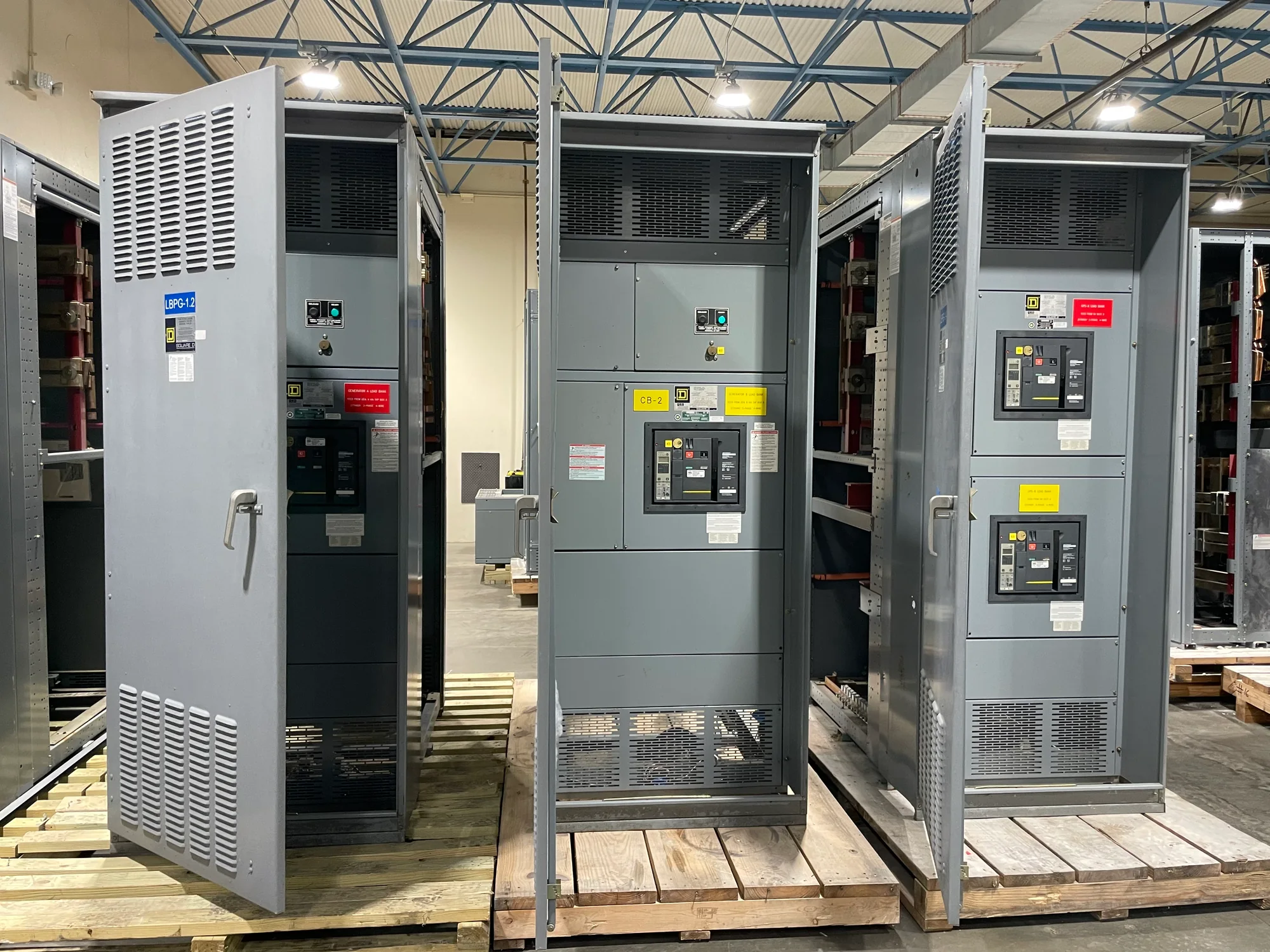
Match fused protection to the transformer and system
Fused switchgear can provide a defined means of interrupting fault current and protecting a transformer, but fuse selection must fit the complete electrical system. Start with the one-line diagram, source characteristics, transformer kVA and impedance, primary voltage, grounding method, and anticipated load. These inputs help qualified professionals evaluate available fault current, fuse voltage and current ratings, interrupting capability, and the protective curve needed for the application. A fuse that appears suitable by nominal amperage alone may not coordinate with upstream protection or limit stress on the transformer and downstream equipment. Review expected overloads, inrush, and the effects of connected loads so normal operating conditions do not cause unwanted operation. Fused protection is not a substitute for a complete protection study. The engineer of record should determine the scheme, confirm applicable codes and standards for the specific equipment, and document how the switchgear is expected to respond to faults.
Coordinate fuse curves with upstream and downstream devices
Protection coordination is a system decision, not simply a choice between fuse sizes. Compare time-current characteristics for the proposed fuses with upstream relays or fuses and downstream breakers, while accounting for transformer damage limits and inrush behavior. The goal is to identify which device should clear a fault first, where selective coordination is required, and whether the available curves support that objective across the relevant fault range. Project requirements may also call for review of arc-flash exposure, incident-energy assumptions, or service continuity; those analyses depend on system data and are the responsibility of qualified professionals. Provide existing protective-device information, settings where applicable, utility fault-current data, and any coordination or arc-flash study criteria with the inquiry. If source conditions or transformer details are not final, flag the assumptions rather than treating preliminary ratings as confirmed. Resolving these points early helps avoid late design changes to the protective scheme or enclosure arrangement.
| System | Voltage, phase, current and available fault current |
|---|---|
| Configuration | Lineup, protection, controls and enclosure as specified |
| Compliance | Applicable standards and listing confirmed for the assembly |
| Delivery | California and nationwide; schedule confirmed by quote |
Identify transformer taps and operating requirements
Transformer tap arrangements can affect voltage adjustment, operating procedures, and the equipment interfaces needed at the installation. Specify the transformer manufacturer and model if selected, primary and secondary voltages, tap positions and range, tap-changing method, and whether adjustment is intended for de-energized or energized conditions. Do not assume the switchgear provides transformer tap changing: identify which component performs that function and how access, isolation, and interlocking are expected to work. If taps are changed only with the transformer de-energized, the operating sequence must address isolation, verification of absence of voltage, and controls against inadvertent energization. Qualified personnel should establish safe work practices and confirm the applicable code and equipment requirements. Also provide load characteristics, expected voltage variation, grounding details, and any monitoring or control interfaces relevant to the transformer. Clear tap information allows the design team to check that the proposed arrangement supports the intended operating practice without conflating protective switching with voltage adjustment.
Design access around fuse inspection and replacement
Fuse access is a maintainability and safety requirement that should be considered alongside electrical ratings. Describe the installation location, available working space, approach direction, nearby walls or equipment, access restrictions, and the planned method for handling replacement fuses. Enclosure doors, barriers, fuse compartments, and operating handles must be considered as parts of the equipment layout; their suitability depends on the project design and applicable requirements. Establish who will perform inspection or replacement and under what isolation and verification procedures. Fuse replacement should be undertaken only by qualified personnel using the equipment instructions and appropriate protective measures, with the circuit placed in a verified safe condition as required by the site procedure. Include any site rules for lockout/tagout, restricted access, environmental exposure, or service clearances in the design review. Clear access planning can reduce maintenance difficulty and help prevent a field layout from obstructing safe operation, while final work practices remain the responsibility of the employer and qualified site personnel.
Provide project data for a buildable equipment proposal
For a useful review, send the one-line diagram, equipment schedule, site plan, utility data, transformer information, and project specifications. Identify nominal system voltage, frequency, grounding, continuous load, available fault current, required switching functions, cable entry and termination preferences, and environmental conditions such as exposure or altitude when relevant. State dimensional or interface constraints, service access expectations, control and monitoring needs, and the required documents for engineering review. Clarify whether the application is new construction or a change to an existing system, and identify the equipment boundaries so responsibilities for the transformer, cables, protection, and controls are clear. Requirements for ratings, standards, and construction must be evaluated for the specific equipment and application; no rating or approval should be presumed from the product category alone. Switchgear Builder California builds new equipment in the USA with American components and serves California customers, with nationwide shipping considered subject to project review. Schedule-sensitive options may also be reviewed, but timing depends on confirmed scope, design, and project requirements.