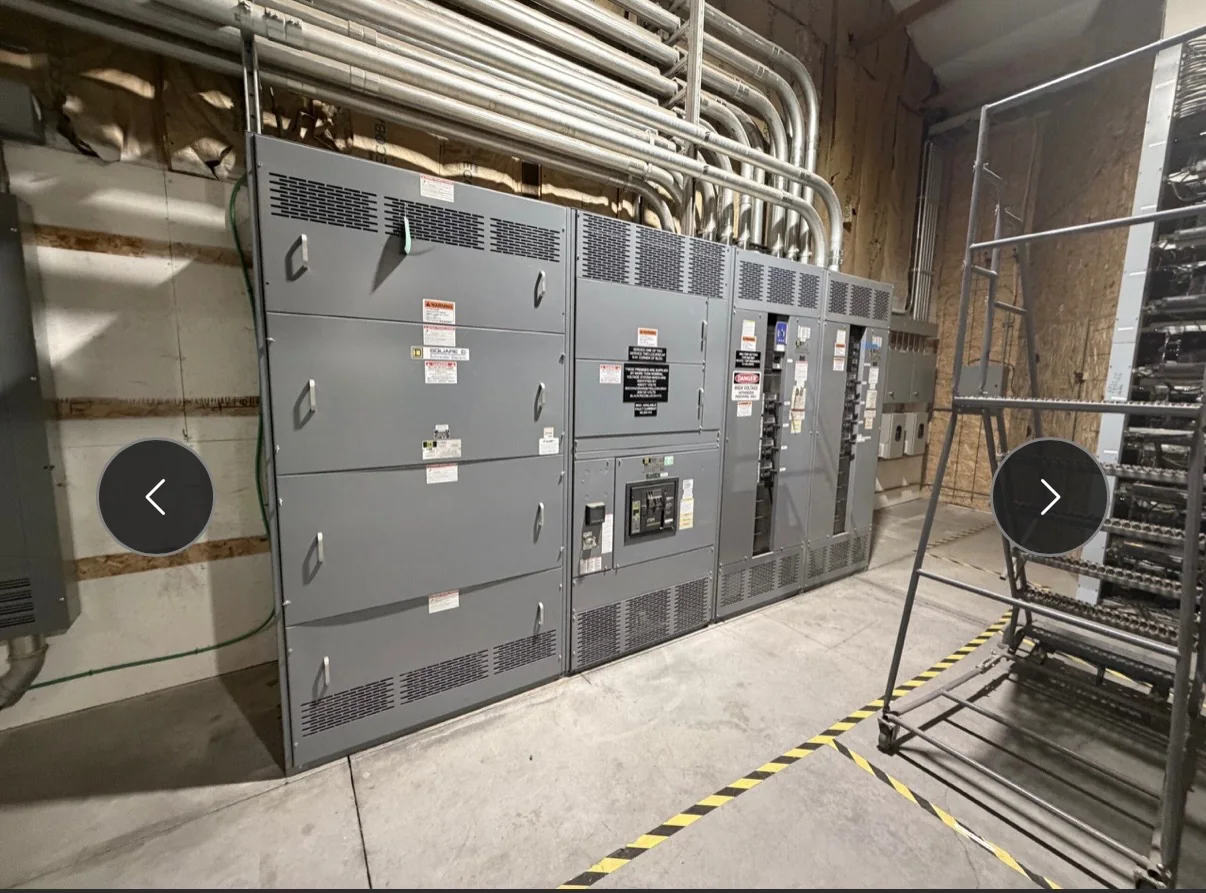
Define the Voltage Boundary First
“High voltage” can mean different things across utility, industrial and project specifications, so establish the actual operating voltage before comparing equipment. Provide nominal and maximum system voltage, frequency, grounding method, insulation requirements and the expected voltage withstand levels. Also identify whether the application is transmission, substation, generation, large industrial distribution or another setting. These details help determine whether the required assembly falls within a manufacturer’s design and production scope; a general product label is not confirmation that a particular voltage class can be supplied. Ask for the precise voltage range the manufacturer designs and builds, and distinguish that range from adjacent products or equipment supplied by another party. If the project includes transformers, cables or other connected apparatus, coordinate interface ratings and insulation levels across the system. Clear boundaries at the outset reduce mismatched proposals and help the design team identify questions that need resolution before procurement.
Match Switching Duty to the Application
Voltage alone does not describe what the switchgear must do. Identify the switching function, operating sequence and fault conditions, including normal load interruption, short-circuit duty and any required making, breaking or isolation functions. The system study and protection scheme should establish fault-current values, clearing times and coordination with upstream and downstream devices. Depending on the application, the design team may need to consider bus arrangement, feeder count, sectionalizing, transfer requirements, interlocking and provisions for future circuits. Operating frequency and switching frequency can also affect equipment selection and maintenance planning. Describe how the gear will be operated—locally, remotely or through a supervisory system—and identify control power, indication and communications needs. Qualified electrical professionals must determine protective settings, interrupting requirements and safe operating procedures for the specific installation. Treat these as coordinated design inputs, not assumptions based on a product category or a generic voltage designation.
| System | Voltage, phase, current and available fault current |
|---|---|
| Configuration | Lineup, protection, controls and enclosure as specified |
| Compliance | Applicable standards and listing confirmed for the assembly |
| Delivery | California and nationwide; schedule confirmed by quote |
Verify the Manufacturer’s Actual Scope
Before advancing a specification, ask the manufacturer to confirm in writing whether the requested voltage class and switching functions fall within its actual design and build scope. Clarify which portions it will manufacture, which components or assemblies may be sourced, and where responsibility lies for engineering, controls, protection integration, testing and documentation. Request project-specific confirmation rather than relying on broad statements about high-voltage capability. The relevant standards and code requirements depend on the equipment type, voltage, application and jurisdiction; identify the standards applicable to the specific equipment and verify how the proposed design addresses them. Standards compliance should not be confused with third-party listing or certification. If the project requires a particular approval, test report or documentation package, state that explicitly and confirm whether it can be provided for the proposed equipment. Resolve scope gaps early, especially where the design involves interfaces between switchgear and separately supplied devices, so procurement does not proceed on an incomplete understanding.
Plan Interfaces, Site Conditions and Safety
A high-voltage installation depends on more than the switchgear lineup. Provide one-line diagrams, layout constraints, connection details, cable entry and termination expectations, grounding requirements, control schematics and relevant equipment schedules. Document indoor or outdoor exposure, ambient conditions, elevation, contamination, seismic criteria, access limitations and any other environmental or site conditions that may influence the design. Identify who is responsible for foundations, bus connections, cable systems, protection relays, control wiring and commissioning. These responsibilities often cross organizational boundaries, so a clear interface matrix can prevent omissions and conflicting assumptions. Review arc-flash and electrical safety considerations as part of the project’s broader engineering process; qualified professionals must evaluate hazards, establish protection and operating procedures, and determine applicable codes. Confirm maintenance access, clearances, lifting or handling constraints and the information needed by installers and operators. Well-defined site inputs let the manufacturer assess the proposed arrangement and flag details requiring engineering review.
Prepare a Practical Request for Review
For an initial scope review, share the project location, one-line diagram, nominal and maximum voltage, frequency, grounding arrangement, fault-duty study and expected switching sequence. Include the required quantity, lineup arrangement, equipment interfaces, environmental conditions, applicable standards and any project-specific documentation or testing expectations. Note the procurement stage and decision dates, but treat schedule-sensitive or expedited options as subject to review of engineering scope, components and project conditions; timing should be confirmed rather than assumed. Ask what information remains outstanding and how proposed deviations or exclusions will be identified. California projects and customers elsewhere in the United States can discuss requirements and shipping considerations with the manufacturer, with destination and project details reviewed individually. Once technical scope is confirmed, compare proposals on functional fit, responsibility boundaries, documentation and coordination—not voltage label alone. This process gives engineers, contractors and buyers a sound basis to determine whether a new equipment proposal is appropriate for the project before moving into detailed design and procurement.