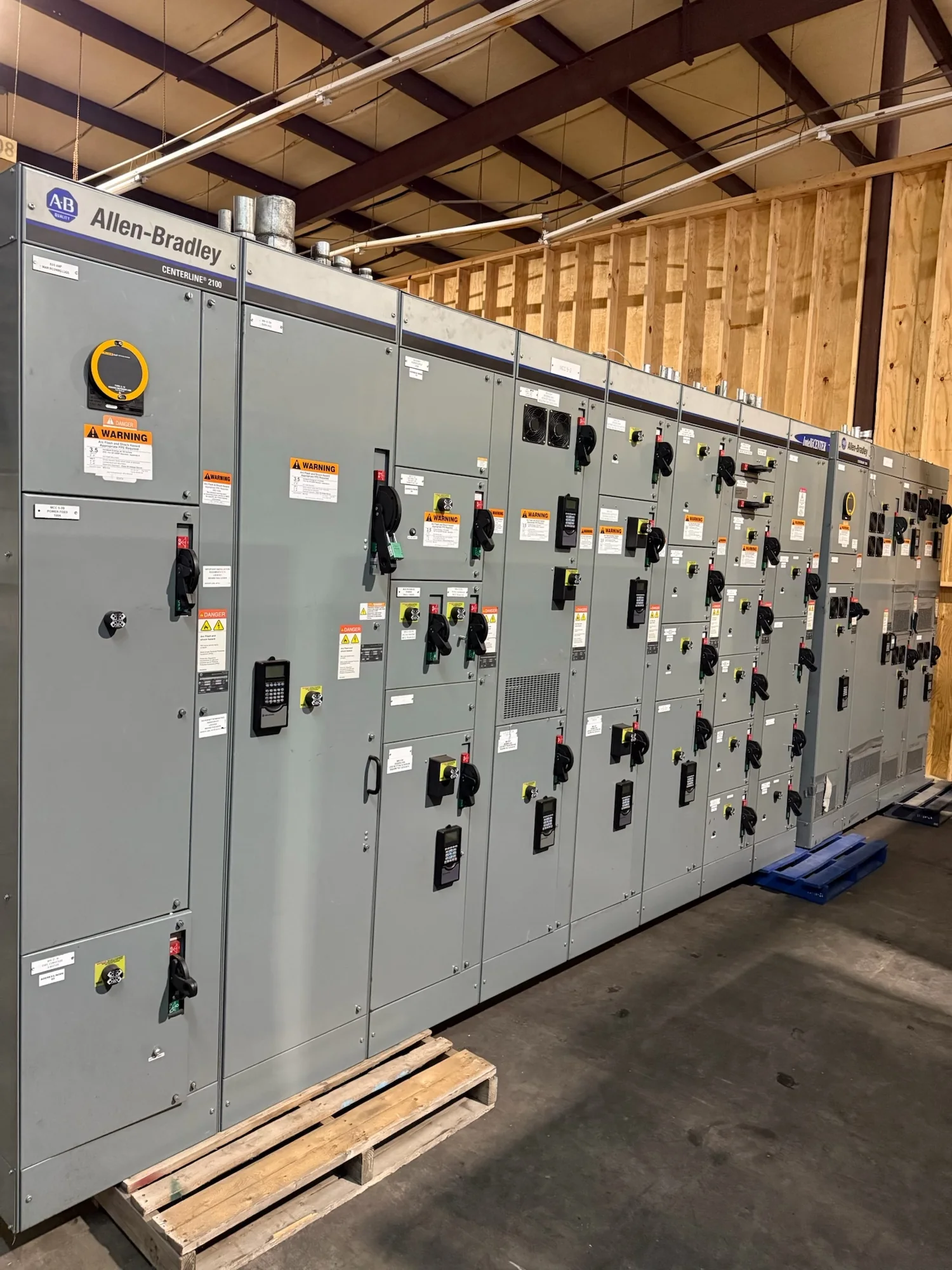
Plan maintenance around the load
A bypass-isolation transfer switch combines transfer functions with a means to route the load around the transfer mechanism and isolate that mechanism for service. For facilities with critical loads, this arrangement can make planned inspection or repair possible without relying on the transfer mechanism remaining in the normal operating path. It does not, by itself, guarantee uninterrupted service: the available sources, bypass path, switching sequence and facility procedures determine what continuity is achievable. Start by identifying which loads must remain energized, what interruptions are acceptable, and whether maintenance can occur under the expected operating conditions. Include the owner’s maintenance staff and electrical designer in those decisions. Their input helps establish whether bypass operation is needed, how often it may be used, and what operating restrictions should be documented. Treat maintainability as a system requirement, not simply a switch feature.
Define the operating sequence
The sequence for transferring a load to bypass and isolating the transfer mechanism is central to safe, practical operation. Project documents should identify the normal source, alternate source, transfer conditions, permitted bypass actions and steps for returning to automatic operation. Confirm whether the intended sequence depends on source availability, synchronization, interlocks or operator verification. These conditions vary by system design, so avoid assuming that a particular switching method is suitable in every installation. The owner’s procedures should also make clear who is authorized to operate the equipment and what status indications or checks are required before and after a maneuver. Qualified professionals must determine switching practices, protection and applicable code requirements for the installation. When requesting equipment, provide one-line diagrams and a written description of the desired sequence. Resolving ambiguities before design review can prevent control, interlocking and access details from being left to interpretation.
| System | Voltage, phase, current and available fault current |
|---|---|
| Configuration | Lineup, protection, controls and enclosure as specified |
| Compliance | Applicable standards and listing confirmed for the assembly |
| Delivery | California and nationwide; schedule confirmed by quote |
Coordinate sources, ratings and protection
Bypass-isolation selection belongs within the broader electrical design. Provide system voltage, phase, frequency, normal and alternate source information, load characteristics and the required continuous-current and short-circuit design inputs. Identify the protective devices upstream and downstream, available fault-current information, grounding arrangement and any coordination objectives established by the engineer. Transfer behavior must be considered alongside generator controls, utility service, emergency-power requirements and connected equipment sensitivity. Loads with motors, electronic controls or other demanding characteristics may affect transition and source acceptance decisions. These inputs are design criteria to review, not assumptions about a standard configuration. The responsible engineer determines applicable ratings, protection settings and code requirements for the project. For medium- or high-voltage equipment, identify and verify the standards applicable to that specific equipment; requirements for low-voltage switchboards should not be applied indiscriminately to other voltage classes. Clear system data helps the manufacturer evaluate the intended arrangement and identify questions requiring resolution.
Make access and isolation practical
Maintenance benefits depend on the equipment being operable and serviceable in its installed environment. Review working clearances, door swing, cable entry, conductor bending space, ventilation, room access and the route for moving equipment into position. Confirm how technicians will identify bypass and isolation states, reach operating controls, and verify that the transfer mechanism is separated as intended. Consider labeling, indication, control-power behavior and the information needed for maintenance procedures. If the equipment serves a constrained electrical room or an existing distribution lineup, provide dimensioned plans, elevations, connection details and photographs where useful. These details support a realistic review of installation interfaces and service access; they do not replace field verification by the project team. Also consider environmental conditions and the facility’s expected maintenance practices. A configuration that meets electrical design needs but cannot be safely accessed or operated in the actual room may undermine the maintenance plan it was selected to support.
Prepare a focused equipment inquiry
A useful inquiry brings the operating objective and technical constraints together. Share the one-line diagram, load and source data, transfer sequence, protection information, installation drawings, control requirements and any project specifications. State whether the priority is planned maintenance, operational flexibility or another continuity objective, and identify the loads affected by each switching state. Ask the design team and manufacturer to review how the proposed bypass path, isolation method, interlocks, indications and interfaces align with that objective. Record open questions, assumptions and responsibilities so they can be resolved before procurement and installation. Switchgear Builder California manufactures and builds new equipment in the United States using American components, and supplies switchgear to customers in California and nationwide. Requirements, configuration and schedule-sensitive options are subject to project review; timing and availability should be confirmed for the specific scope. Early, complete information supports a more useful technical discussion and a clearer path from design intent to commissioning and maintenance.