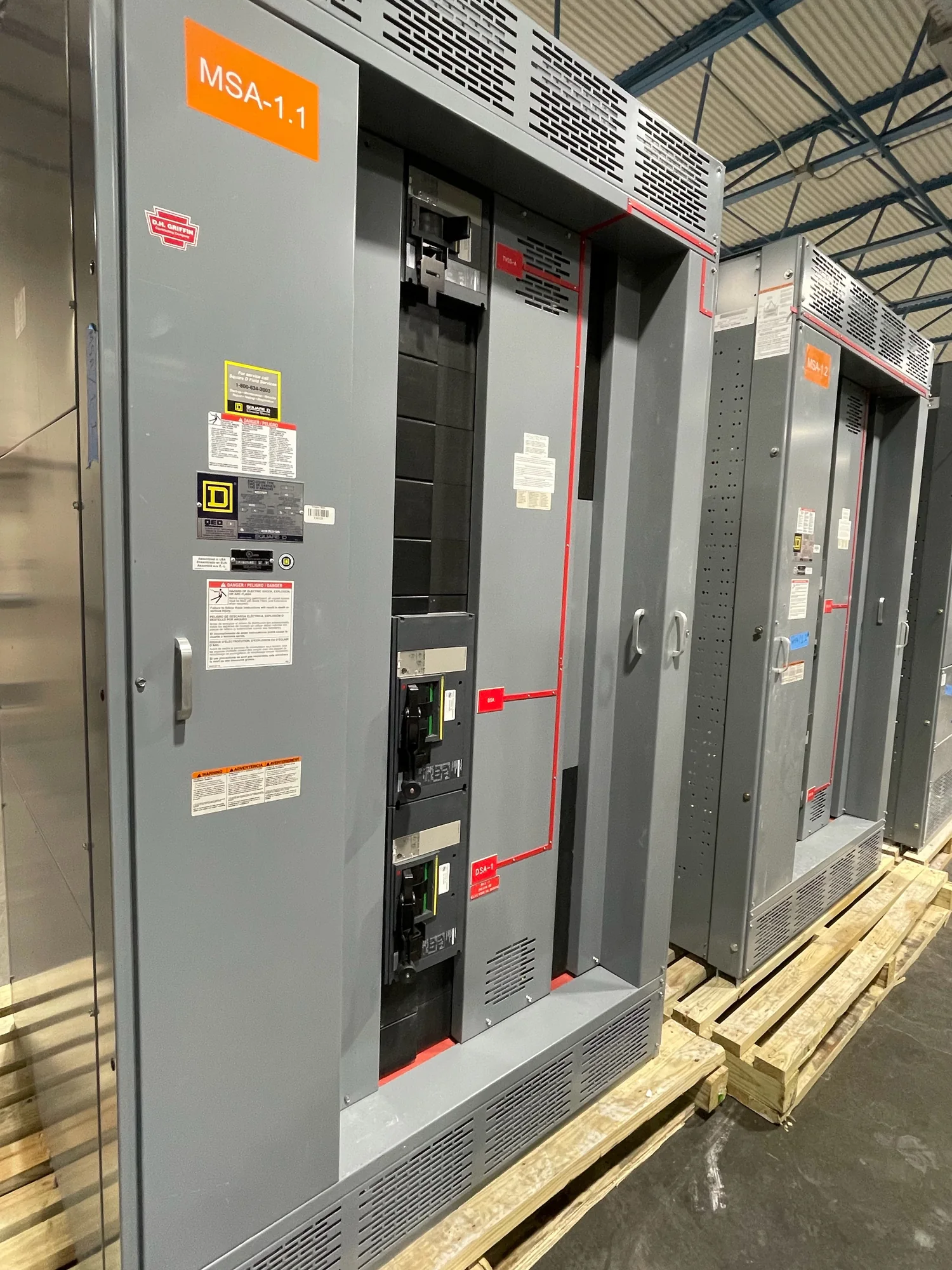
Start with the Serving Utility’s Requirements
Interconnection planning begins with the serving utility’s requirements, not with an assumed standard arrangement. Utilities may specify service voltage, point of delivery, ownership boundaries, metering provisions, fault-current information, protective-device coordination, clearances, access, and submission procedures. These details can differ by utility, project type, and service location, so obtain the current criteria directly from the utility and identify the reviewer or engineering contact responsible for the project. Share the applicable service documents with the switchgear design team before key layout and interface decisions are fixed. Early clarification can reveal requirements that affect enclosure dimensions, incoming cable routing, compartment arrangement, controls, or site work. The equipment manufacturer can help translate project criteria into design inputs and identify questions needing utility confirmation, but the utility retains authority over its own service and acceptance requirements. Keep a record of decisions, revisions, and open items so design assumptions are visible to the project team.
Define the Service Configuration and Boundaries
A useful configuration review establishes how power enters the facility, where utility and customer responsibilities change, and what switching or protection functions are required on each side of that boundary. Provide the one-line diagram, service voltage, number and arrangement of sources, intended operating modes, available fault-current data, grounding approach, and known load characteristics. Identify whether the project involves a new service, a service modification, parallel sources, standby generation, or another operating condition that may affect utility review. These are design inputs to evaluate, not proof that a particular configuration will be accepted or suitable. Clear ownership boundaries matter: they influence who furnishes, installs, operates, and maintains components, as well as access and isolation provisions. Where details remain unresolved, document alternatives and the decision each depends on. Qualified professionals should evaluate protection, ratings, code obligations, and safe operating practices for the specific installation rather than relying on a generic interconnection arrangement.
| System | Voltage, phase, current and available fault current |
|---|---|
| Configuration | Lineup, protection, controls and enclosure as specified |
| Compliance | Applicable standards and listing confirmed for the assembly |
| Delivery | California and nationwide; schedule confirmed by quote |
Coordinate Utility Interfaces in the Equipment Design
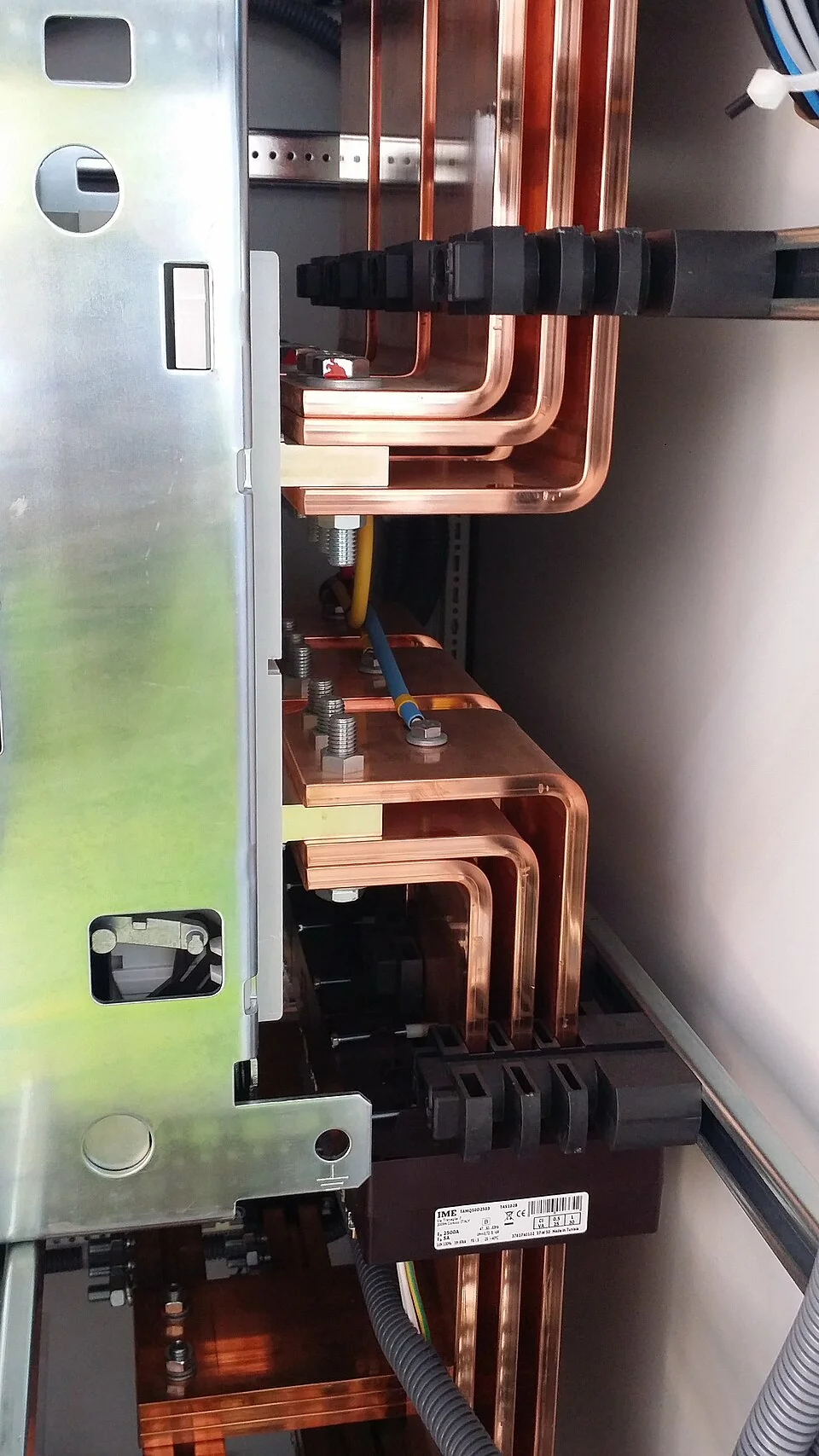
Utility-facing interfaces can shape switchgear layout as much as the electrical ratings. Review incoming conductor entry, termination space, cable bending and pulling routes, metering or instrument-transformer provisions, control wiring, communications, and access for inspection or maintenance. Confirm who supplies interface components and wiring, what signals must be exchanged, and whether the utility requires particular locations or separation from customer equipment. Physical constraints deserve attention alongside electrical details: room dimensions, working space, structural openings, conduit locations, ventilation, environmental conditions, and delivery access can all affect a workable arrangement. If utility criteria are not final, use clearly identified assumptions and avoid treating preliminary drawings as approved construction documents. A coordinated interface schedule and annotated one-line can help the utility, electrical engineer, contractor, and manufacturer resolve discrepancies before fabrication inputs are released. The goal is not to substitute equipment design for utility engineering, but to make responsibilities and connection points explicit.

Prepare a Complete, Reviewable Submittal
Utility review is more effective when the submission explains the project clearly and answers the utility’s requested questions in its preferred format. Depending on the project and applicable criteria, useful materials may include a one-line diagram, site plan, load information, equipment arrangement, protective-device data, grounding details, metering provisions, fault-current and coordination studies, and operating descriptions. Confirm which documents are required, who prepares and seals them when necessary, and whether review must occur at a particular design stage. Keep drawing numbers, revision dates, service addresses, and project identifiers consistent across the package. A response log helps track comments, assigned actions, and closure status; updated documents should make changes easy to locate. Requirements for standards and approvals depend on the specific equipment and project. For low-voltage switchboards, UL 891 may apply where relevant, but that reference alone does not establish a third-party listing. For medium- or high-voltage equipment, identify and verify the standards applicable to that equipment.
Manage Changes, Reviews, and Next Steps
Interconnection coordination continues after the initial submission. Utility comments, revised fault-current data, site changes, or a change in source arrangement can affect protective settings, equipment interfaces, drawings, and installation planning. Route changes through the responsible electrical engineer and equipment team, assess their effects, and resubmit revised information when the utility’s process requires it. Do not release a changed design on the assumption that earlier comments still apply; confirm the current review status and any outstanding conditions. Before ordering or finalizing design inputs, align the utility’s documented requirements with the project’s one-line, equipment scope, site constraints, and schedule. Provide the manufacturer with the latest utility criteria, approved or current drawings, and a concise list of unresolved questions. Switchgear Builder California builds new equipment in the USA with American components and can review project information for coordination needs. Schedule-sensitive options may be considered after project review, but timing depends on scope, design maturity, and other project factors.