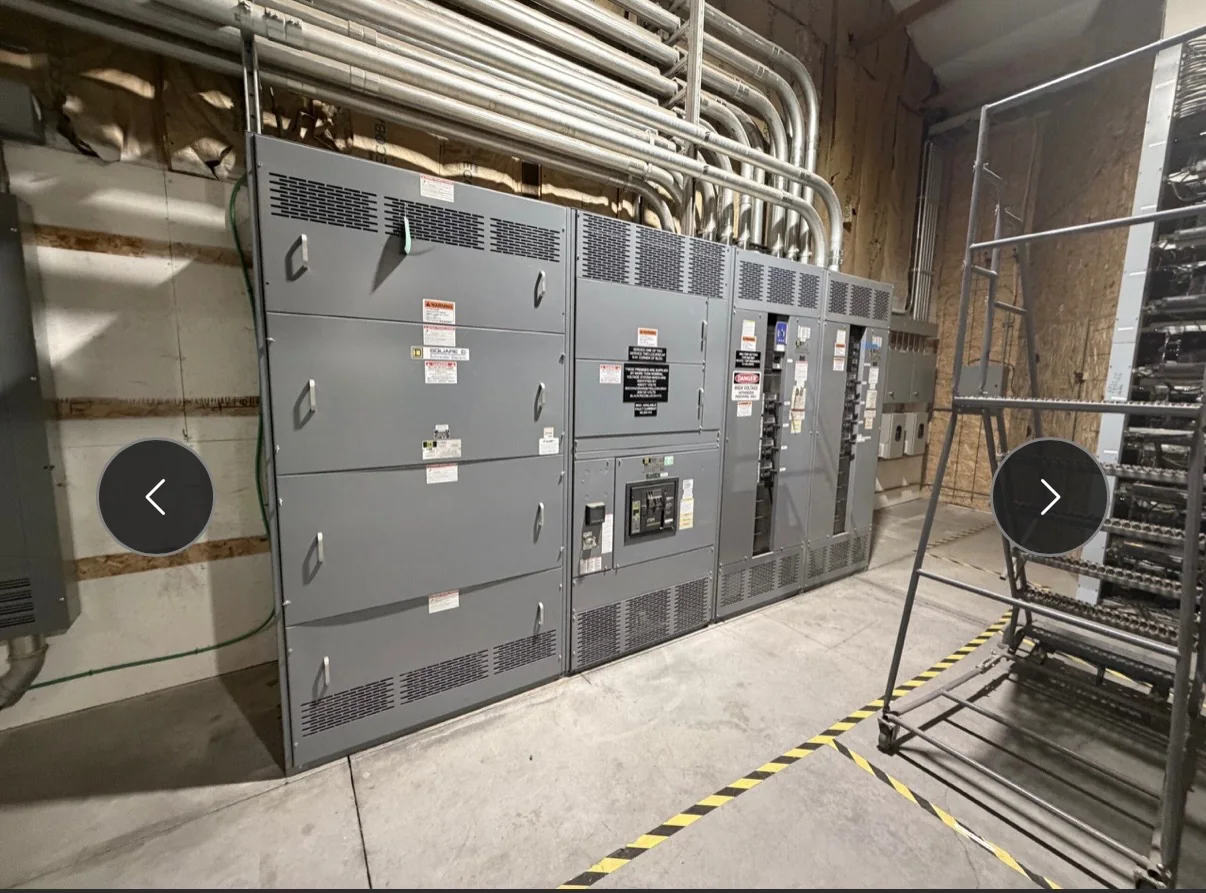
Fabrication Starts with the Project Requirements
Switchgear fabrication translates electrical and site requirements into physical parts that must fit together and support installation. Before cutting or forming material, the design team needs a coordinated picture of the one-line diagram, equipment arrangement, connection points, room dimensions, cable entry, access clearances and intended operating conditions. These inputs affect not only the enclosure outline but also bus locations, barriers, supports and service access. Ambiguities can become costly when a conduit entry conflicts with a structural member or a cable bend space is smaller than the installation requires. Share current drawings, site measurements and interface details early, and identify which documents govern if revisions differ. Changes to breaker positions, ratings, metering or incoming connections may alter fabrication details, so establish a review process before release. Qualified professionals must determine protection, ratings and applicable codes for the specific project; fabrication planning should reflect those decisions rather than substitute for them.
Structural Fabrication Establishes Alignment
The structural framework carries equipment and helps preserve alignment across shipping, handling and installation. Fabricated supports, mounting surfaces and compartment boundaries need to correspond to the approved layout, with tolerances that allow components, doors and covers to operate as intended. Poor alignment can complicate field connections, impede access or leave uneven gaps, while overbuilding without regard to assembly details can add unnecessary weight and obstruct service. Structural decisions also interact with lifting, anchoring and floor conditions: confirm the relevant loads and installation method with the project team rather than assuming a standard foundation. If the lineup must pass through restricted doorways or corridors, shipping splits and reassembly interfaces should be considered before the frame is finalized. Contractors can improve coordination by providing verified room and access measurements, route constraints, floor information and any anchorage requirements. The result is a frame planned for the actual installation, not merely a drawing that fits an assumed room.
| System | Voltage, phase, current and available fault current |
|---|---|
| Configuration | Lineup, protection, controls and enclosure as specified |
| Compliance | Applicable standards and listing confirmed for the assembly |
| Delivery | California and nationwide; schedule confirmed by quote |
Enclosure Details Shape Access and Protection
Enclosure fabrication determines how the assembly is divided, accessed and arranged around its electrical functions. Panels, doors, covers, barriers and openings must reconcile safe access with ventilation, cable routing and the specified installation environment. A change in entry direction or a relocated opening can affect internal clearances, service reach and separation between compartments, so it should be reviewed against the complete layout. Material and finish choices should be tied to project conditions and requirements, not treated as interchangeable cosmetic decisions. Where dust, moisture, corrosion exposure or unusual ambient conditions matter, identify them clearly and confirm the design implications with the responsible engineering team. Access planning deserves equal attention: consider where technicians will stand, which covers need removal, and whether neighboring equipment or walls restrict door swing. Enclosure fabrication can support a maintainable installation when these practical details are settled before production. Applicable construction requirements and environmental needs must be confirmed for the particular equipment and site.
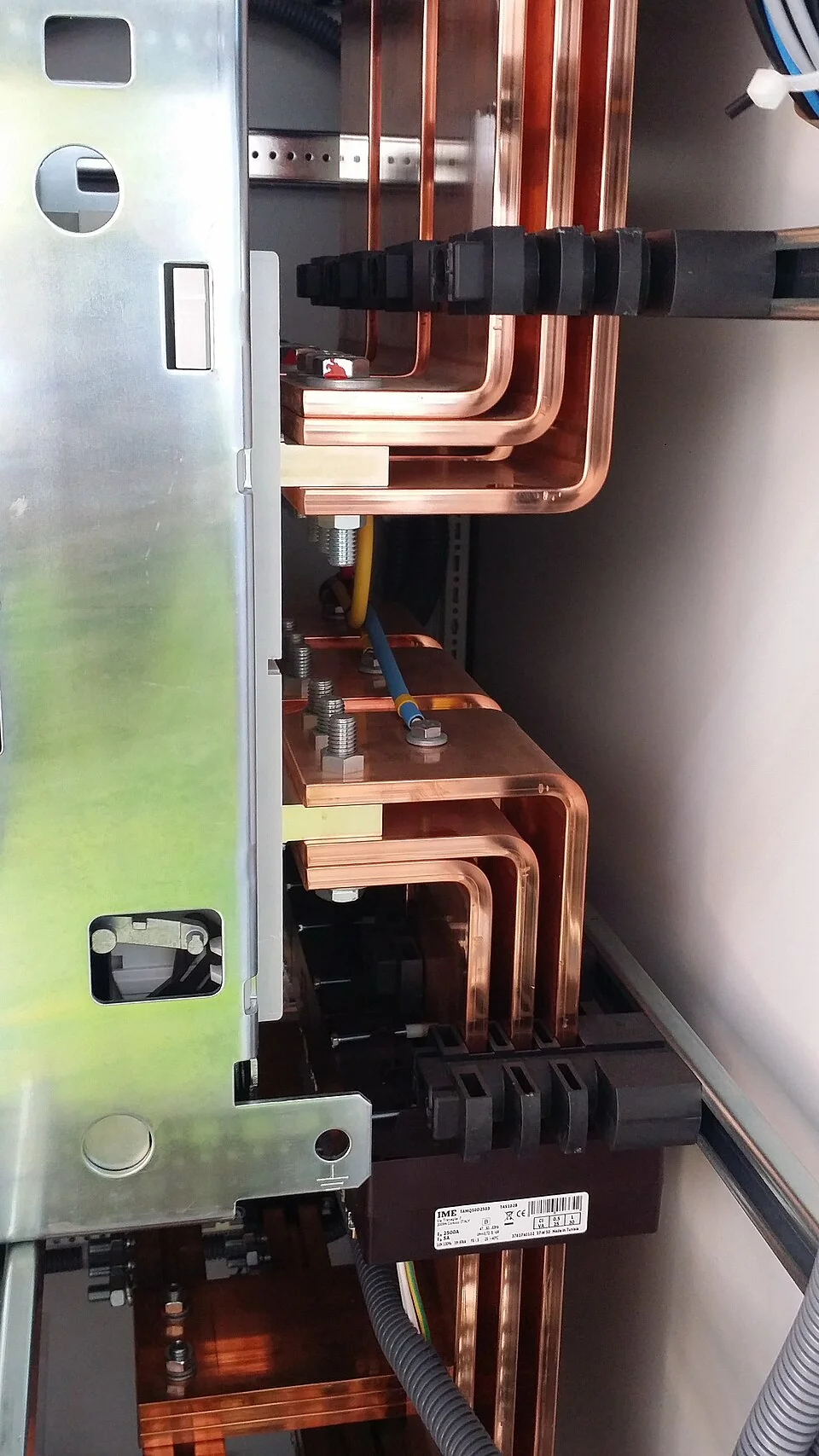

Conductor Fabrication Depends on Electrical Coordination
Conductors and buswork create the electrical paths within an assembly, making their fabrication dependent on approved ratings, connection geometry and system arrangement. Material, cross-section, spacing, supports, joints and clearances are design matters that must be coordinated for the specific equipment and applicable requirements. They should not be selected from a general rule of thumb or inferred from appearance. Connection locations need to match the incoming and outgoing conductors shown in the project documents, while bend space and termination access must suit the field installation. Changes in breaker configuration, source arrangement or cable direction can affect the bus layout and should trigger engineering review before affected parts are fabricated. Documented inspection of dimensions, interfaces and workmanship helps catch mismatches while correction is practical. For medium- or high-voltage equipment, identify and verify the standards applicable to that specific equipment; requirements differ by equipment type and should not be assumed from low-voltage practice. Qualified professionals determine protection and ratings.
Coordinate Reviews Before Release and Installation
A practical fabrication review connects drawings, components and site work before the assembly reaches the job. Buyers and contractors can help by sending the latest approved one-line, schedules, connection requirements, room plans, cable information and revision history, then naming a contact authorized to resolve questions. Ask the manufacturer to clarify interfaces that affect field work, such as section boundaries, external connections, access clearances and handling considerations. Confirm how drawing approval, revisions and inspection records will be managed, and flag schedule-sensitive needs early; any expedited path is subject to project review and depends on scope and material coordination. On receipt, compare shipping sections and identification against the approved documents, inspect for transit damage, and coordinate placement and connections with qualified personnel. Before energization, qualified professionals should verify installation, protection settings and project-specific safety requirements. A disciplined handoff reduces avoidable rework and helps ensure the fabricated structure, enclosure and conductors serve the approved design.