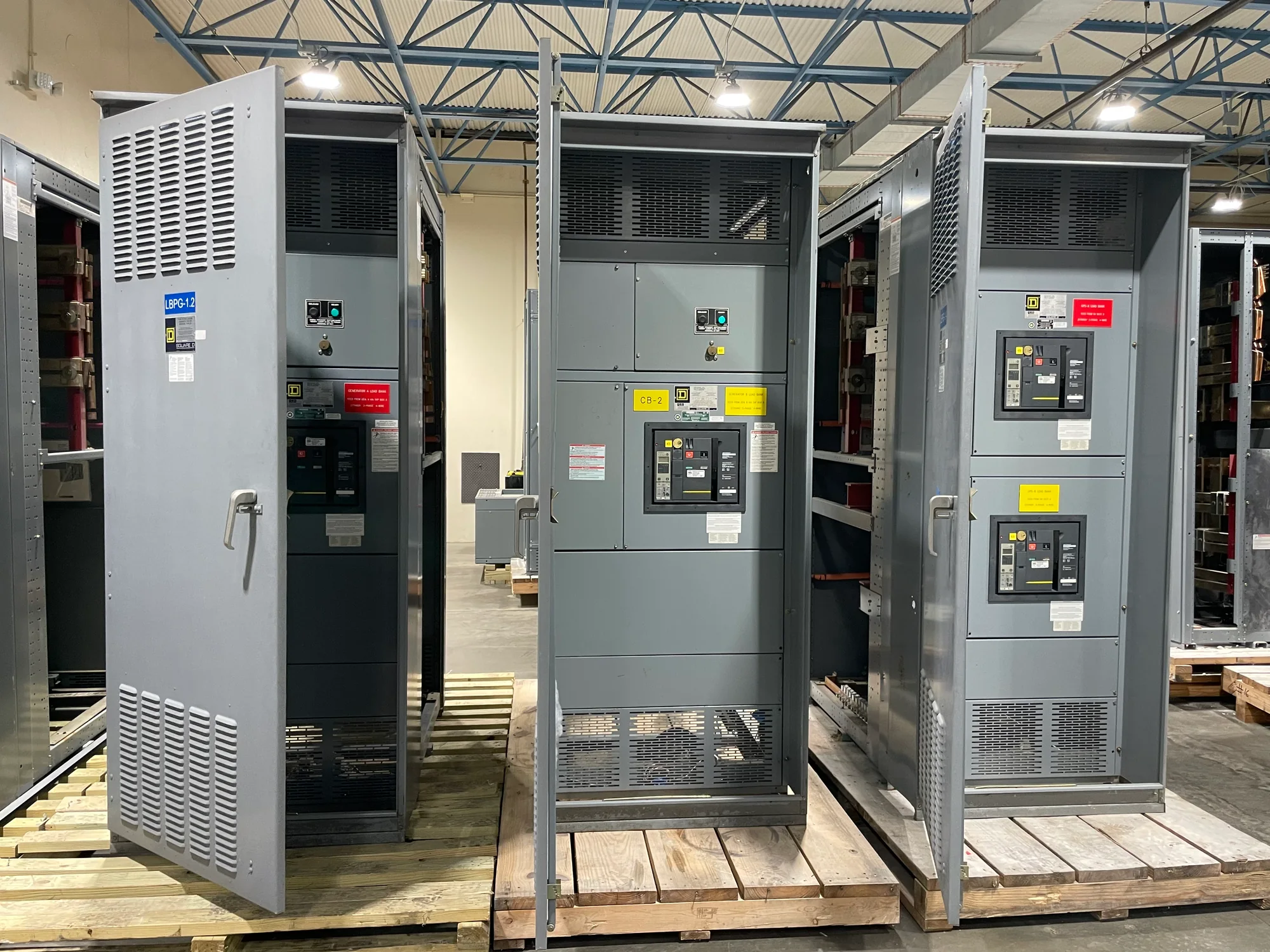
Start with the Power-Path Architecture
A data center switchboard must fit the facility’s electrical topology, not simply its present connected load. Begin by mapping utility service, generators, transformers, transfer equipment and downstream distribution, identifying where each switchboard sits and which loads it serves. For redundant systems, show the intended A and B paths, normal and alternate sources, and any ties or bypass arrangements. Clear one-line diagrams help reveal whether a proposed connection could unintentionally couple paths that are meant to remain independent. They also let the design team evaluate how a fault, source transition or planned isolation affects critical loads. Define the required operating states and sequencing with the engineers responsible for the complete system; the switchboard alone does not create redundancy or guarantee uptime. Provide available drawings, load schedules, fault-current information and project criteria early so the manufacturer can review the intended distribution role and identify open design questions.
Coordinate Service and Feeder Distribution
Service and feeder arrangements should reflect how power enters the facility and how it is divided among data halls, mechanical systems and supporting loads. Confirm the source voltage, phase, frequency, grounding method, expected demand and any applicable utility or project requirements. For each feeder, identify its destination, planned load, conductor approach, routing constraints and whether it belongs to a specific redundant path. Protection coordination depends on the full system, including upstream devices and downstream equipment; qualified professionals should establish settings and verify selective operation against the project’s fault and operating conditions. Physical details matter as well: cable entry, bending space, access for terminations, room clearances and the location of adjacent equipment can affect maintainability and installation. Share room layouts and interface drawings alongside electrical schedules. Reviewing these inputs together can reduce late changes and help align the switchboard’s compartment arrangement and feeder layout with the construction sequence.
| System | Voltage, phase, current and available fault current |
|---|---|
| Configuration | Lineup, protection, controls and enclosure as specified |
| Compliance | Applicable standards and listing confirmed for the assembly |
| Delivery | California and nationwide; schedule confirmed by quote |
Plan Capacity for Growth Without Guesswork
Data center demand can change as new halls, racks or cooling systems are added, but future capacity should be defined rather than assumed. Distinguish between spare capacity in the source and bus, unused outgoing positions, and the ability to install or connect additional feeders later; these are different planning questions. Estimate likely load phases, identify which future circuits are reasonably defined, and state whether provisions should be included now or evaluated in a later project. Consider the physical cost of reserving space: extra sections can affect footprint, shipping splits, room access and cable routes, while leaving no allowance may make expansion disruptive. Confirm the project’s preferred growth strategy with electrical and facilities teams, and account for load diversity, operating limits and equipment ratings as design inputs. A documented phase plan gives the manufacturer a clearer basis for arranging sections and interfaces without treating speculative future loads as established requirements.
Design Maintenance Around Operating Windows
When workloads operate continuously, maintenance planning is part of distribution design. Identify which sections, sources and feeders may need inspection, testing or isolation, and explain the allowable outage windows for each load group. The operations team should determine what can be transferred, curtailed or shut down and what must remain energized; equipment layout cannot substitute for an approved switching procedure. Evaluate access to doors, cable compartments and operating points, including whether technicians can work without obstructing an adjacent path or egress route. Discuss test access, labeling expectations and safe isolation boundaries with the project’s qualified electrical professionals. If maintenance must occur while another path remains available, verify that the alternate path has the necessary capacity and that transfer arrangements are defined across the system. These conversations can expose conflicts between room geometry, isolation strategy and operating practice while there is still an opportunity to address them in design.
Bring the Right Inputs to the Design Review
A focused design review can turn a broad equipment request into a buildable scope. Provide the latest one-line diagram, load and feeder schedules, system voltage, grounding details, available fault-current data, protection and coordination criteria, and the applicable codes and standards identified by the project team. Include room plans, entry directions, conduit or busway interfaces, access constraints, seismic or environmental criteria where relevant, and shipping or installation limitations. Mark assumptions, unresolved utility data and future phases so reviewers can distinguish confirmed requirements from items requiring verification. For medium- or high-voltage equipment, identify and verify the standards applicable to that specific equipment; requirements depend on the project and equipment type. Qualified professionals determine protection, ratings and applicable codes. Switchgear Builder California builds new switchgear in the USA with American components and supplies customers in California and nationwide, subject to project review. Discuss scope, interfaces and schedule-sensitive possibilities early; timing and feasibility are confirmed for each project.